
Reviewed · KYOTO TEMPLE & SHRINE TOURS
Nara Heritage Walkabout from Nara Park to Todaji-ji temple
Nara’s deer are only the beginning. This four-hour walk links the park’s friendly shika with Todaiji’s enormous bronze Buddha, then moves on to Kasuga Taisha’s lanterns and Naramachi’s old streets. I like the contrast between the lively deer encounters and the quiet, sacred spaces, and I like having a guide connect the sights with local customs and practical tips.
The main consideration is the amount of walking: you cover several sites in four hours, so comfortable shoes matter. Nara Machi also leaves just 45 minutes for shops and food, so treat this as an introduction rather than a leisurely visit to every stop.
At a glance
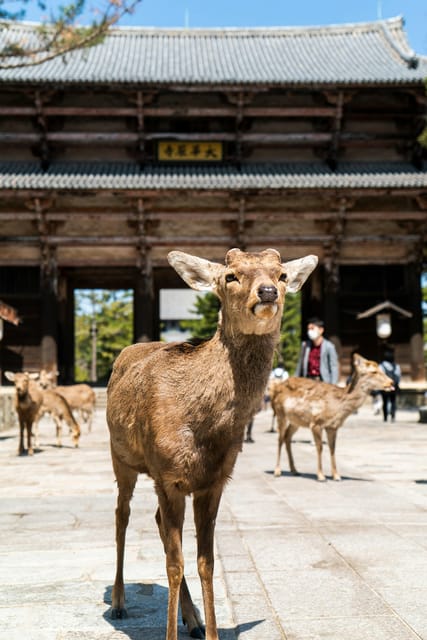
- Feed the deer in Nara Park, where shika are regarded as divine messengers in Shinto tradition. Deer crackers are available to buy.
- See the Great Buddha inside Todaiji’s vast Great Buddha Hall, along with the imposing Nandaimon Gate and its guardian statues.
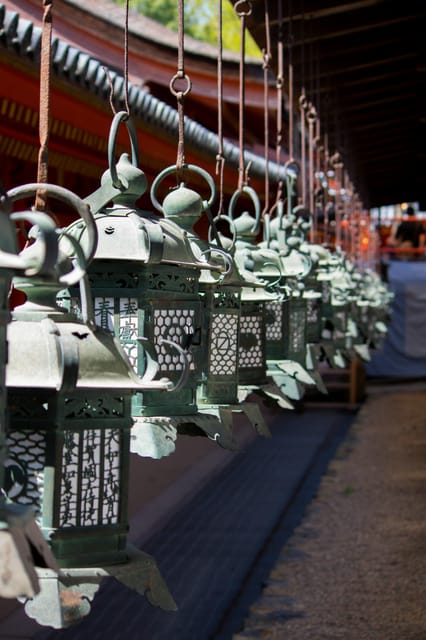
- Visit Kasuga Taisha, a World Heritage Site known for its vermilion buildings and thousands of hanging lanterns.
- Walk through Naramachi, a historic district of traditional machiya houses, local shops, and food stops.
- Count on an English-speaking guide, entrance fees, and public transportation being included in the $102 per-person price.
- Bring comfortable shoes and allow time for a brisk pace through four stops.
A four-hour introduction to Nara
Nara is a city where sacred sites, old streets, and free-roaming deer sit close together. This tour gives you a guided route through several of its best-known places, starting near Kintetsu Nara Station and returning to the same meeting point.
That structure is useful if you have limited time or want someone else to handle the route and explain what you are seeing. A professional English-speaking guide accompanies you, with guided visits and commentary at the main sites. Public transportation and entrance fees are included, so the stated $102 price covers more than a walk and a set of directions.
The tour is listed as four hours. The scheduled stops add up to about three hours and fifteen minutes, with a 20-minute walk from the station area toward Nara Park. The remaining time allows for movement between stops and the return, though the exact pace can vary. You will have a useful overview, but not hours to linger at each site.
Meet at the Lawson convenience store directly outside Kintetsu Nara Station, at 3 Higashimuki Nakamachi. That is a clear landmark in a central area. Check the confirmed start time when booking, since the tour runs at available times rather than one stated daily departure.
More Nara trips in Nara:
- World Heritage Kyoto & Nara Uji Authentic Matcha Experience
★ 5.0 · 1,573 reviews - Kyoto/Osaka: Nara, Fushimi Inari Taisha, Arashiyama Bus Tour
★ 4.7 · 1,275 reviews - Nara Half Day Trip Walking Tour (Private Option Available)
★ 5.0 · 937 reviews
Nara Park: deer with a sacred reputation
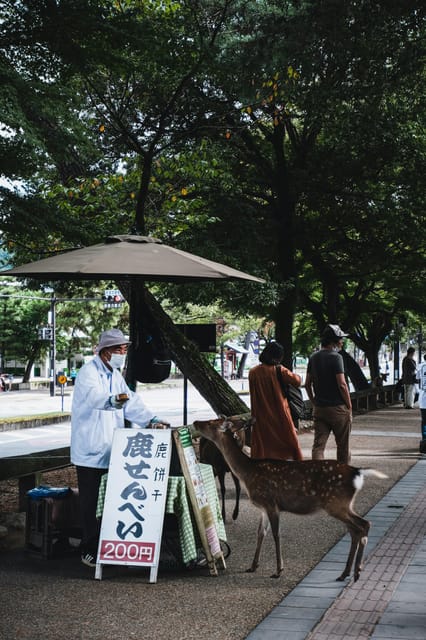
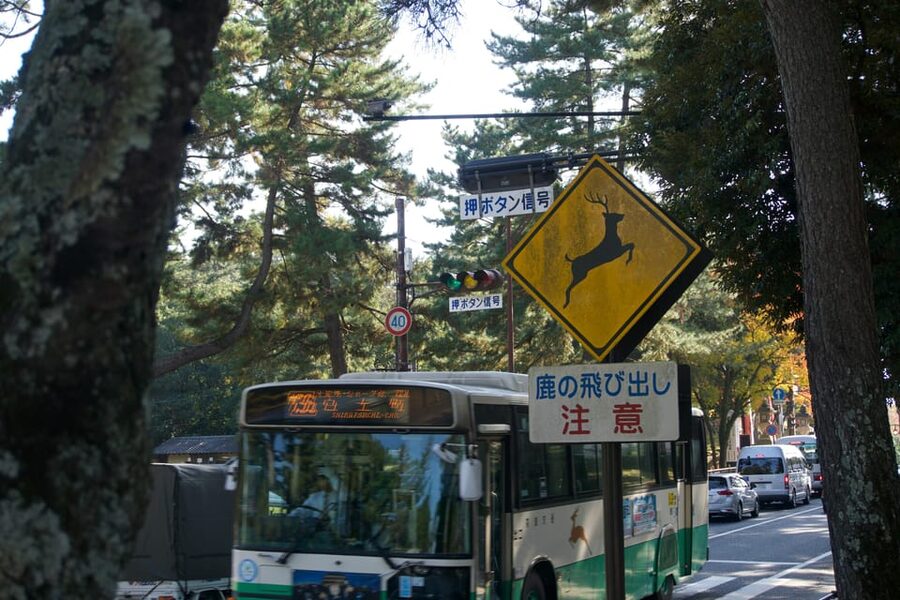
The first major stop is Nara Park, where the shika deer are the obvious stars. They roam among visitors and are considered divine messengers in Japanese folklore and Shinto belief. That context makes the encounter more interesting than a simple wildlife stop: the deer are part of Nara’s cultural identity as well as its scenery.
You can buy shika senbei, traditional deer crackers, and offer them to the animals. The crackers are not listed as included, so bring a little extra if feeding the deer is part of your plan. Keep your attention on the animals while you do it. Their eagerness is part of the fun, but the tour information itself promises no particular deer behavior, so follow your guide’s instructions and handle the crackers sensibly.
The park stop lasts about 45 minutes. That is enough to meet the deer, take in the setting, and hear why they matter, but it is not a long nature walk. If you want to spend a slow afternoon among the trees, return on your own after the tour. Here, the park is a lively opening act for the historic sites ahead.
I like this stop because it gives the day an easy, human scale. You begin with an encounter that is playful and memorable, then move toward architecture and religious art. The guide can also share practical advice: Angelito, one of the guides who has led the tour, has been praised for tips on feeding the deer and taking souvenir photos. Your guide may be someone else, but those are useful subjects to ask about.
Todaiji: the Great Buddha and the temple gate
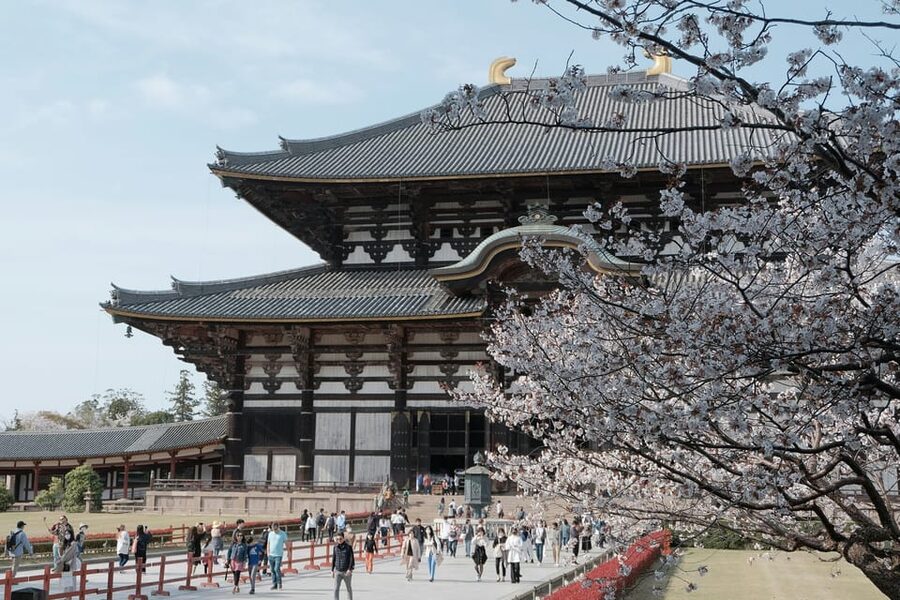
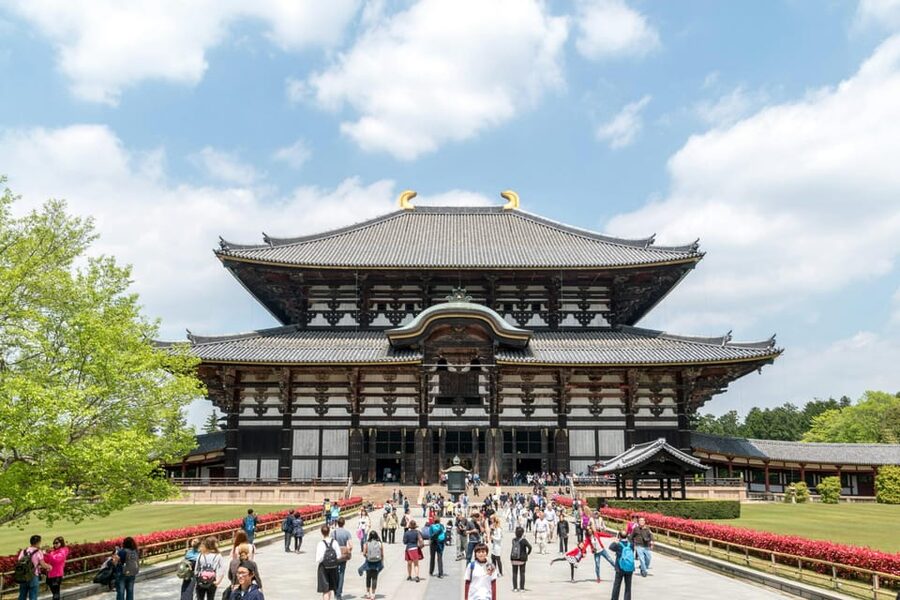
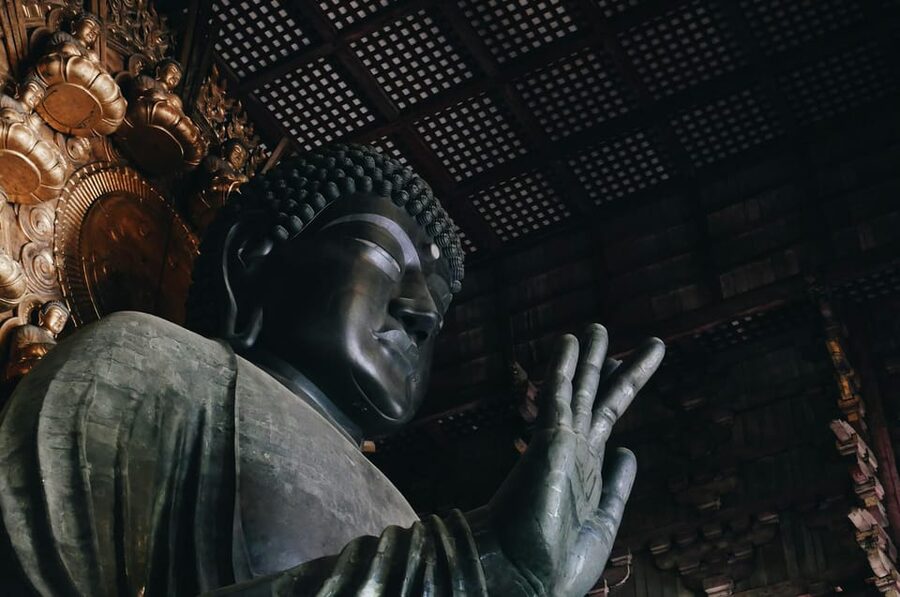
At Todaiji, the focus shifts from deer to the Great Buddha, or Daibutsu. The bronze figure sits inside the Great Buddha Hall, a vast structure that makes the scale of the statue even more striking. The one-hour stop includes a guided tour, sightseeing, and walking, giving you time to take in the hall and hear about the temple’s art and history.
Do not rush past the Nandaimon Gate. Its large Nio guardian statues make a powerful first impression and offer a different kind of artistry from the calm figure of the Buddha. The tour also points out a pillar at the rear of the hall with a hole said to grant enlightenment to anyone who can squeeze through it. It is a memorable detail, though the promise is spiritual folklore, not a practical guarantee.
Todaiji is a major highlight, but it is also a busy, popular site. The guide’s commentary helps give the Buddha and the temple’s woodwork and other artifacts context, rather than leaving you to take a quick photo and move on. Still, one hour is a compact visit. If religious art or temple architecture is a special interest, you may want to return independently for more time.
Kasuga Taisha: lanterns beneath the trees
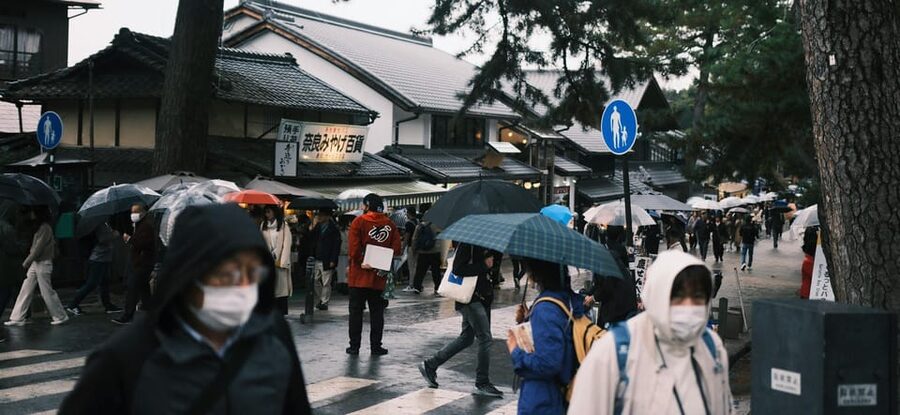
The next stop is Kasuga Taisha, a Shinto shrine founded in the eighth century and recognized as a World Heritage Site. Its vermilion-lacquered structures and thousands of hanging lanterns give the visit a different mood from Todaiji’s monumental hall. The shrine’s lanterns are especially striking during festivals, although the tour does not promise a festival visit.
You have about 45 minutes here for guided sightseeing. That is enough to see the main grounds and hear how the shrine has served Shinto rituals and ceremonies for more than a millennium. Its setting among greenery adds a quieter pause to the route, and the wooden details offer plenty to notice if you take time to look closely.
This is a place where a guide’s explanations can add real value. The shrine is not just a photogenic stop; its buildings and lanterns have a role in living religious traditions. A short visit cannot cover every detail, but it can help you recognize what you are looking at and understand why the site matters.
More temple and shrine tours in Nara:
- Osaka/Kyoto: Arashiyama, Nara & Fushimi Inari Shrine w/Lunch
★ 4.4 · 754 reviews - E-Bike Nara Highlights – Todaiji, Knives, Deer, Shrine
★ 4.8 · 186 reviews - Nara: Great Buddha, Kasuga Shrine & Deer Park Tour
★ 4.8 · 62 reviews - Nara: Bike Tour in Ancient Capital UNESCO World Heritage
★ 5.0 · 43 reviews
Naramachi: machiya, shops, and a local snack
Naramachi brings the tour back to everyday life. The old-town district is known for its traditional machiya houses and narrow alleyways, with shops selling handmade crafts and local goods. The 45-minute stop includes sightseeing, shopping, and a food-market visit, so you can browse without needing to plan a separate route through the neighborhood.
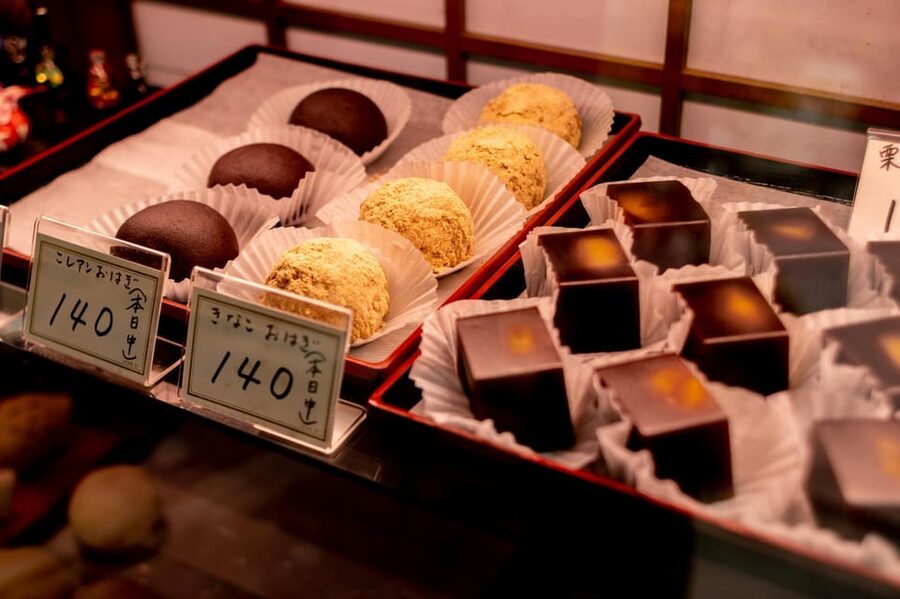
A traditional Japanese snack is included, a welcome little treat after several hours on foot. Lunch is not included, and the snack should not be mistaken for a meal. Additional food, drinks, souvenirs, and other personal purchases are your own expense.
The short stop means you will need to choose what interests you most. You might browse for a local craft, look for a sweet, or ask your guide for suggestions. Angelito has shared tips on local products and dinner spots, so asking about places to eat later may be useful. The tour does not specify a particular shop or dish, and that flexibility is part of the appeal: you can see what catches your eye.
The guide, pace, and practical details
The strongest reason to book a guided walk is the context. Nara’s headline sights are impressive on their own, but a guide can explain how the deer fit into local belief, point out details at Todaiji, and give Kasuga Taisha’s lanterns a cultural frame. Past guides Ferdinand and Angelito have been named for their clear English, helpful manner, and ability to share useful local advice. You should not assume either will lead your departure, but those examples indicate the kind of guidance to look for.
The tour is available in private or small-group formats. The exact group size is not stated, so check the option offered for your date if group size matters to you. A private format may suit you if you want a more personal pace or have particular questions; a small group can be a practical way to share a guided visit.
There is a fair amount of walking, and the tour specifically recommends comfortable shoes. One guide has been praised for adapting to a participant’s walking difficulties, but that does not guarantee every route or surface will suit every mobility need. The activity is listed as wheelchair accessible, so contact the operator before booking if you need details about access at specific stops.
The meeting point is outside Kintetsu Nara Station, at the Lawson convenience store. The tour returns to that same address after Naramachi. English is the stated guide language, and the price includes public transportation, entrance fees, and a professional guide. Travel insurance, lunch, souvenirs, extra snacks, and activities not on the route are not included.
Is $102 a good value?
At $102 per person, this is not the cheapest way to see Nara. The value comes from combining four major stops with an English-speaking guide, admission costs, and public transportation in one half-day outing. If you would otherwise pay for entry and transport separately, and you want explanations rather than a self-guided checklist, the package is easier to justify.
The trade-off is limited time at each place. Nara Park and Naramachi each receive 45 minutes, as does Kasuga Taisha, while Todaiji gets an hour. That makes the tour a strong orientation, not an in-depth study of any one site. You are paying for a guided route through the highlights, not a slow day with long breaks or a full meal.
A traditional snack is a nice inclusion, but lunch is not. Plan a meal before or after the tour, and set aside a little spending money if you want deer crackers or souvenirs. The tour’s free cancellation up to 24 hours beforehand and reserve-now, pay-later option also allow some flexibility when making plans.
Who should book this walk?
I would choose this tour if you have one day or part of a day in Nara and want a clear route through the park, Todaiji, Kasuga Taisha, and Naramachi. It is especially suited to first-time visitors who want English explanations and help connecting the sites, rather than figuring out every stop alone.
It can also work well for anyone who values practical local guidance. Ask about deer feeding, local products, or dinner recommendations, and you may come away with useful ideas beyond the scheduled route. If you have mobility concerns, contact the provider before booking to discuss the walking and access details.
Skip it if you want a slow, unstructured visit or plan to spend several hours inside one temple or shrine. The schedule moves through four distinct places in four hours, and the walking is part of the experience. For a well-organized introduction that balances wildlife, Buddhist and Shinto sites, and old-town streets, it is a sensible way to spend a half-day in Nara.
FAQ
How long is the Nara Heritage Walkabout?
The tour lasts four hours and returns to the meeting point at 3 Higashimuki Nakamachi.
Where is the meeting point?
Meet at the Lawson convenience store directly outside Kintetsu Nara Station.
What language does the guide speak?
The live guide speaks English.
What is included in the $102 price?
A professional guide, public transportation, entrance fees, and guided tours with commentary are included. A traditional Japanese snack is also offered.
Is lunch included?
No. Lunch is not included, and additional meals and snacks are your own expense.
Do I need to pay for deer crackers?
Shika senbei are available for purchase, but personal expenses such as additional snacks are not included.
Is the tour wheelchair accessible?
The activity is listed as wheelchair accessible. The tour also involves a fair amount of walking, so contact the provider about access needs at the stops.
Can I cancel for a refund?
You can cancel up to 24 hours in advance for a full refund.
Newly added in Nara
- Nara Private Day Trip – Enjoy Your First-Time Visit to Nara!★ 5.0 · 10 reviews
- Relax in Nara: Deer Park, Todai-ji Temple and Merchants’ Town★ 5.0 · 6 reviews
- Nara Todaiji Lazy Bird Walking Tour★ 5.0 · 11 reviews
- Nara: Authentic Onigiri Cooking Class & Meal in a Local Home★ 5.0 · 4 reviews
- Private Nara Tour and Sake Tasting (Departing from Kyoto/Nara)★ 5.0 · 40 reviews
- Nara World Heritage PRIVATE TOUR★ 4.5 · 15 reviews
- Private Journey in Nara’s Historical Wonder★ 5.0 · 3 reviews
- Nara:Private Tea Ceremony(Max 5 ppl) -Master Matcha Making-★ 5.0 · 3 reviews
Kyoto Temple & Shrine Tours, compared.

World Heritage Kyoto & Nara Uji Authentic Matcha Experience
Read our review →
Arashiyama Bamboo, Temple, Monkeys, or Secret Sake Brewery
Read our review →
Arashiyama Bamboo Forest, Monkeys, Matcha & Temple Tour
Read our review →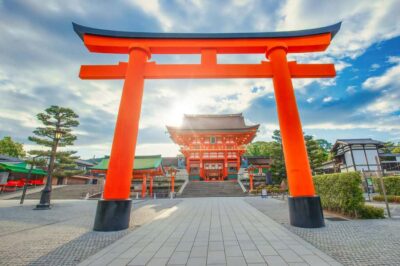
Arashiyama, Nara & Fushimi Inari Shrine w/Lunch
Read our review →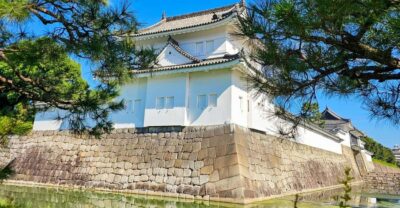
Imperial Palace & Nijo Castle Guided Walking Tour
Read our review →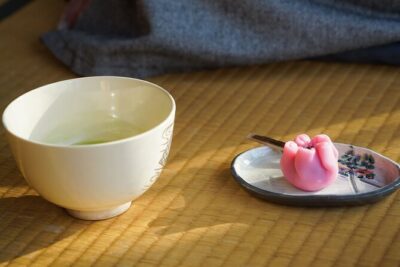
Kyoto Zen Meditation & Garden Tour at a Zen Temple with Lunch
Read our review →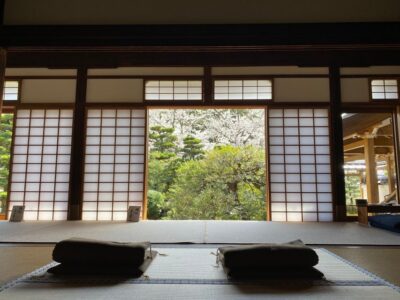
Browse the lists this tour appears in