
Reviewed · KYOTO TEA CEREMONIES
Nerikiri and Matcha Making Class in Kyoto
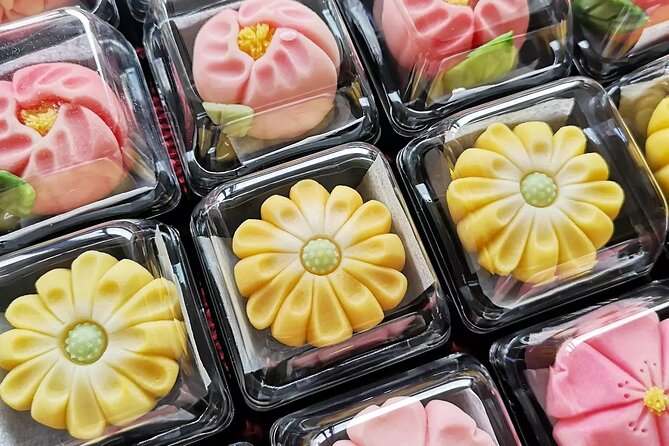
Nerikiri turns sweet white-bean dough into small, carefully shaped Japanese confections served at tea ceremonies. In this Kyoto class, you make five designs yourself, then prepare matcha and taste the results. It is a hands-on way to learn a craft, not just watch a demonstration.
I like that the class gives you time to try five different designs with guidance, and that it ends with matcha and the sweets you have made. The small group, capped at eight, should also leave room for clear instruction and questions.
One consideration: the instructor prepares the dough before class, so you learn how to shape it and receive two dough recipes afterward, but you do not make the dough from scratch during the session. The class is non-refundable, so book only when your plans are firm.
- Five nerikiri designs: Practice several shaping techniques with different tools.
- Dough recipes by email: The instructor sends two versions after class if you provide your email address.
- Matcha made by you: Prepare tea in the table style, then taste it with your sweets.
- Small group size: No more than eight people can join, and spectators are not allowed.
- A take-home box: The class includes a container for the nerikiri you do not eat.
- A station meeting point: Meet at Matsugasaki Station at 10:00 am and return there at the end.
Five sweets, made by hand
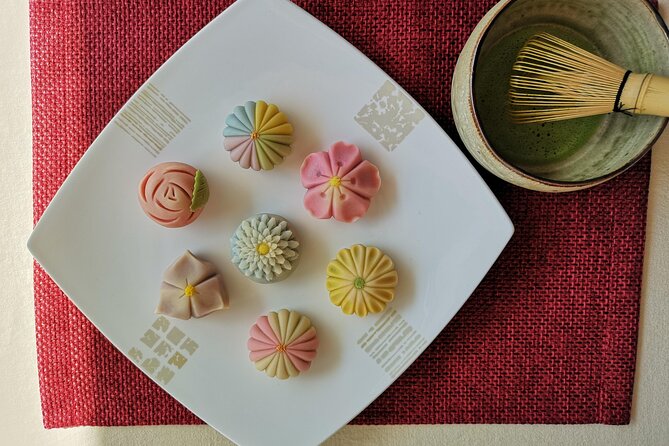
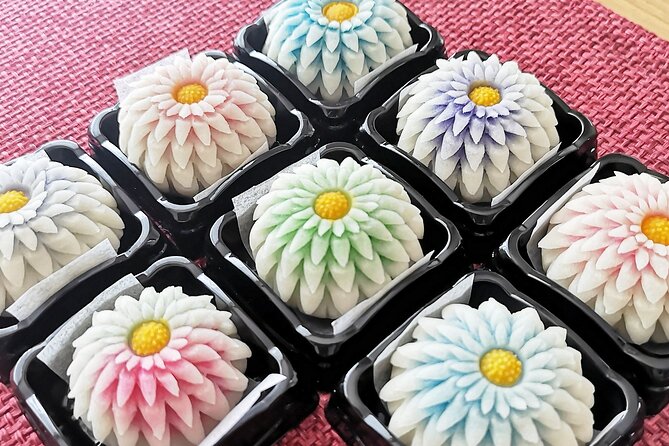
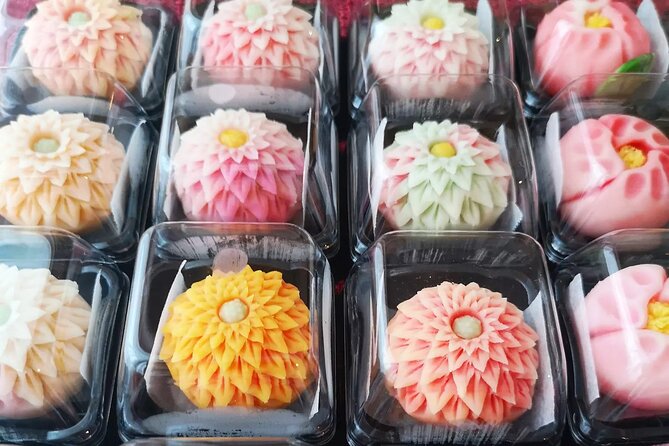
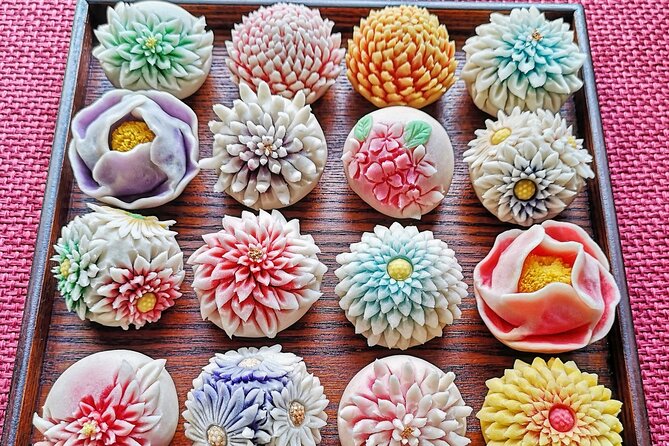
The appeal here is simple: you get to make something beautiful, then eat it. Nerikiri are Japanese sweets made primarily from sweet white beans, shaped into designs that accompany tea ceremonies. Their delicate appearance can make them seem daunting, but the class is designed to teach the process step by step.
The instructor first explains how nerikiri dough is made. The dough itself is prepared in advance, which keeps the class focused on shaping rather than on a longer cooking process. If you want to make the dough at home later, you can receive two recipes by email after class. Remember to provide an email address if you want them.
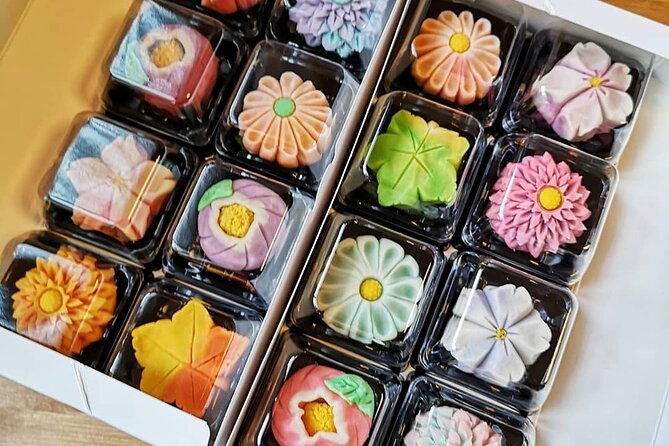
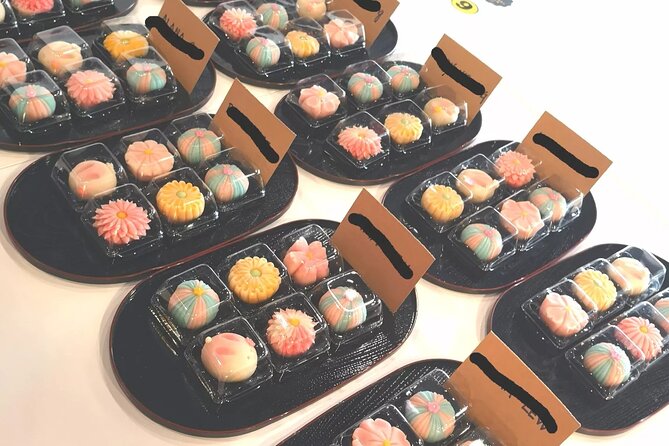
Then comes the main work: shaping five designs using different techniques and nerikiri tools. The specific designs are not listed, so do not expect a particular flower, season, or pattern. What you can count on is repeated practice, with the instructor demonstrating each design and guiding you through it.
That hands-on format is useful for beginners. The task is delicate, but the point is not to arrive with a steady hand or prior experience. A class participant described the shaping as delicate but very doable with guidance, and noted that the teacher was precise and well organized. That is the kind of instruction that matters when you are working with a small sweet and trying to make its shape look intentional.
There is also a practical bonus in making five sweets rather than one. You have time to apply what you learn more than once, and you can compare your results across several designs. If you are hoping to develop a skill you can use again, the class offers more than a quick demonstration. It gives you a set of techniques to practice, plus recipes for the dough afterward.
A calm class in an intimate setting
The session is described as peaceful and therapeutic, which makes sense for an activity built around careful, focused handwork. You are not racing through a packed sightseeing schedule or trying to keep up with a large demonstration. The maximum group size is eight, and the instructor welcomes participants into her home.
That home setting can make the experience feel personal, though it is worth knowing what it also means: this is a small class, not a public workshop with space for an entourage. Only people taking part may attend, and there are no spectator places. If you are traveling with someone who does not want to join, they will need to make other plans for the session.
The class is open to participants older than 10. That makes it a possible choice for older children or teens interested in Japanese sweets, but the age rule is firm as stated: participants must be over 10. The small setting and delicate work may suit a patient learner better than someone looking for a lively group activity.
The host is identified as Nariko’s Kitchen. No individual instructor name is provided, so I would not assume that Nariko is the person teaching. What is clear is that the instructor demonstrates each design and gives guidance as you make it.
More tea ceremonies in Kyoto:
- Kyoto: Tea Ceremony in a Traditional Tea House in Kiyomizu
★ 4.9 · 3,519 reviews - Kyoto: Tea Ceremony Ju-An at Jotokuji Temple
★ 4.9 · 3,207 reviews - Kyoto: 45-Minute Tea Ceremony Lesson Experience
★ 4.3 · 2,378 reviews
Matcha, made at the table
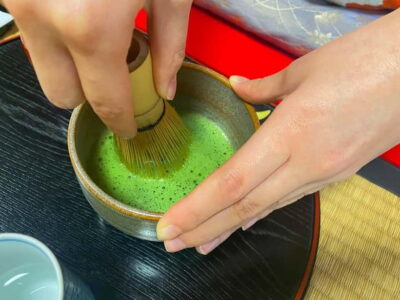
Once the sweets are shaped, you make matcha tea using the table-style method. The experience does not specify a full tea ceremony, so think of this as a practical introduction to preparing matcha rather than a formal ceremony with a stated set of rituals.
That distinction matters if you are choosing between a craft class and a tea ceremony. Here, the tea is part of the making-and-tasting experience. You learn to prepare it, then enjoy it alongside the nerikiri. The sweets are not an add-on to a long cultural presentation; they are the main project, with matcha completing the session.
The sequence also gives the class a natural finish. After close work shaping the sweets, you sit down to taste what you have made. The setting is meant to be calm, and the shared tea gives you a chance to appreciate the flavors and the designs rather than simply pack everything away and leave.
Five nerikiri and matcha are included in the price. If you do not eat all your sweets in class, you can take the rest home in the provided container. That is a thoughtful practical detail, especially if you want to keep a few of your designs or save them for later.
What the 2.5 hours are worth
At $84.92 per person, this is not a bargain snack stop. You are paying for roughly two and a half hours of instruction, access to the tools used for shaping, five sweets, matcha, and the chance to learn techniques you can practice again. The two dough recipes sent afterward add some continuing value, provided you give the instructor your email address.
The strongest case for the price is the amount of personal participation. You are not just watching someone prepare a sweet and then sampling one. You shape five designs yourself, learn a method for preparing matcha, and leave with your remaining sweets. The group cap of eight supports a more attentive class than a large demonstration might offer.
Still, value depends on what you want from your Kyoto day. If you are mainly looking for a cheap taste of Japanese sweets, this is more time and money than you need. If you enjoy learning a craft and want an activity that feels different from visiting temples or shops, the price buys a focused, guided experience rather than a brief tasting.
The class is also a better fit for someone curious about technique than for someone who only wants a polished finished product. Your sweets may not look exactly like the instructor’s. The point is to learn the shaping process and enjoy making them, not to produce five flawless confections on the first try.
Getting to Matsugasaki Station
The class begins at Matsugasaki Station in Kyoto at 10:00 am and ends back at the meeting point. The address provided is Matsugasaki Rokunotsubocho, Sakyo Ward, Kyoto, 606-0915. The location is near public transportation, and private transportation is not included.
Allow enough time to reach the station and find the meeting point before the start. The information does not provide specific directions from the station to the class venue, so check the confirmation details rather than assuming the meeting point and the teaching space are the same place. Confirmation is expected within 48 hours of booking, subject to availability.
At about two and a half hours, this is a substantial morning activity without taking up the whole day. The 10:00 am start means you can plan another Kyoto activity afterward, but leave room for the full class and the return to the station. The class has a maximum of eight participants, so it remains small, though availability may be limited.
One booking point deserves care: the experience is non-refundable and cannot be changed for any reason. It is sensible to wait until your Kyoto plans are settled before paying. The class is commonly booked well ahead, with an average lead time of 29 days, so waiting until the last minute may also leave fewer opportunities to join.
More cooking classes in Kyoto:
- Ramen Cooking Class at Ramen Factory in Kyoto
★ 5.0 · 1,937 reviews - Sushi Making in Kyoto! Same-day bookings welcome!
★ 5.0 · 713 reviews - Kyoto: Ramen Cooking Class at a Ramen Factory with Souvenir
★ 4.9 · 532 reviews - Kyoto: Ramen, Gyoza, and Onigiri Cooking Class
★ 5.0 · 445 reviews
Who will enjoy this Kyoto class
I would choose this class if you want to do something tactile and distinctly tied to Japanese food culture. It suits people who enjoy careful work, want more than a tasting, or like the idea of learning a technique they can try again at home. The recipes sent after class make that last point more realistic.
It can also work well for a pair or small family with children older than 10, as long as everyone taking part is willing to join the class. Because spectators are not allowed, this is not a good option if one person wants to watch while another participates. It is also less suitable if your schedule is uncertain, given the strict no-refund and no-change policy.
You do not need to be an experienced cook or artist. The instruction is step by step, and the shaping is presented as manageable with guidance. Still, patience helps. Nerikiri are small, decorative sweets, and the class is likely to reward a steady pace more than a desire to rush through the work.
Should you book it?
Book the Nerikiri and Matcha Making Class if you want a small, hands-on Kyoto activity that combines craft, food, and a quiet pause in your day. The five designs, table-style matcha, take-home container, and follow-up dough recipes give you a solid amount to do and learn for the price.
Skip it if you mainly want a quick tasting, need flexible cancellation terms, or are traveling with someone who would only watch. For the right person, this is a memorable way to spend a morning making something with your own hands, and the five sweets give you more than one chance to get the feel of it.
FAQ
How long is the class?
The class lasts approximately 2 hours and 30 minutes.
What time does it start?
It starts at 10:00 am.
Where does the class meet?
The meeting point is Matsugasaki Station, Matsugasaki Rokunotsubocho, Sakyo Ward, Kyoto, 606-0915. The activity ends back at the meeting point.
How many nerikiri designs will I make?
You will make five designs, learning different shaping techniques and using various nerikiri tools.
Is the nerikiri dough made during class?
The instructor prepares the dough before class. Afterward, the instructor can email you two versions of the dough recipe if you provide your email address.
What is included in the price?
The class includes five nerikiri, matcha, and a container for taking home the sweets you do not eat.
Can someone attend just to watch?
No. Only people participating in the class may attend, and spectators are not allowed. Participants must be older than 10.
Newly added in Kyoto
- Uji: Private immersion into Kyoto’s tea and reglious culture★ 5.0 · 17 reviews
- Whisk Your Own Matcha: A Zen Matcha Experience at Temple★ 3.6 · 7 reviews
- Kyoto tea town for matcha lovers★ 5.0 · 16 reviews
- Treasures of Kyoto: Gion & historical Walking Tour★ 5.0 · 6 reviews
- Uji and Wazuka Matcha Farm Half Day Private Guided Tour★ 5.0 · 21 reviews
- Kyoto Matcha Green Tea Tour★ 4.5 · 23 reviews
- Uji Tea Ceremony and UNESCO Heritage Walking Tour★ 5.0 · 20 reviews
- Utilising upcycled Matcha! Creating matcha incense (Uji, Kyoto)★ 5.0 · 6 reviews
Kyoto Tea Ceremonies, compared.
Tea Ceremony in a Traditional Tea House in Kiyomizu
Read our review →
World Heritage Kyoto & Nara Uji Authentic Matcha Experience
Read our review →

Arashiyama Bamboo Forest, Monkeys, Matcha & Temple Tour
Read our review →
Tea Museum Tickets and Matcha Grinding Experience
Read our review →Browse the lists this tour appears in