
Reviewed · KYOTO SAMURAI & NINJA EXPERIENCES
Train Katana with Real Dojo Students in Kyoto
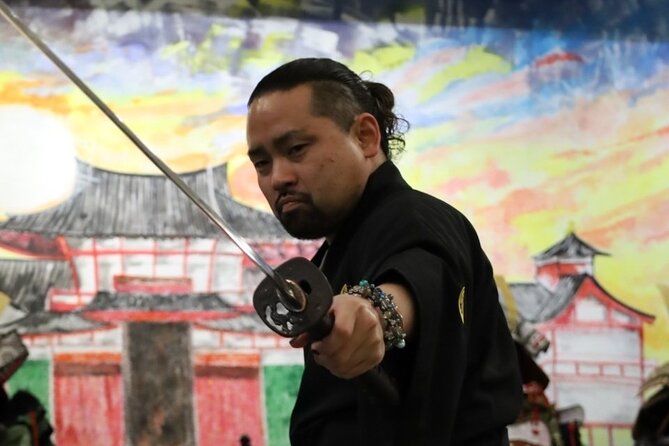
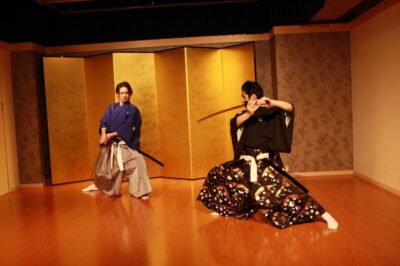
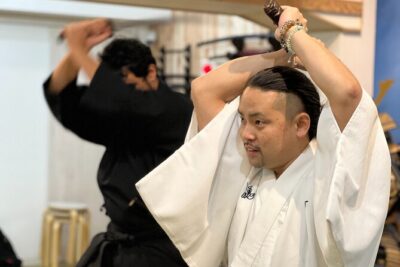
In Kyoto, this small-group session puts you inside a working katana dojo, training alongside local students rather than following a tourist-style samurai script. You’ll put on traditional practice clothes, learn how to draw a katana, and work on kenjutsu techniques under a headmaster with more than 20 years of experience.
I like two things in particular: you get to practise, not just watch, and the session includes a close look at sword work by students and the master, including cutting rolled tatami mats. The master also performs with two katana, a distinctive part of the demonstration.
The main consideration is that this is genuine martial arts training, not a staged photo stop. You need to be at least 12 and in moderately good physical condition, and you won’t be allowed to test-cut with a real katana.
At a glance
- Train in a working Kyoto dojo: Yushinkan Kyoto is home to students who practise regularly.
- Learn two kinds of sword work: Iai covers drawing the katana; kenjutsu covers fighting techniques.
- Watch real cutting practice: Students and the master cut rolled tatami mats, but participants do not.
- See a two-katana performance: The master demonstrates with two swords.
- Expect a very small group: The maximum is three paying participants, with no unpaid observers.
- Plan for a focused three hours: The session begins and ends at 452-4 Matsugaechō in central Kyoto.
Inside Yushinkan Kyoto
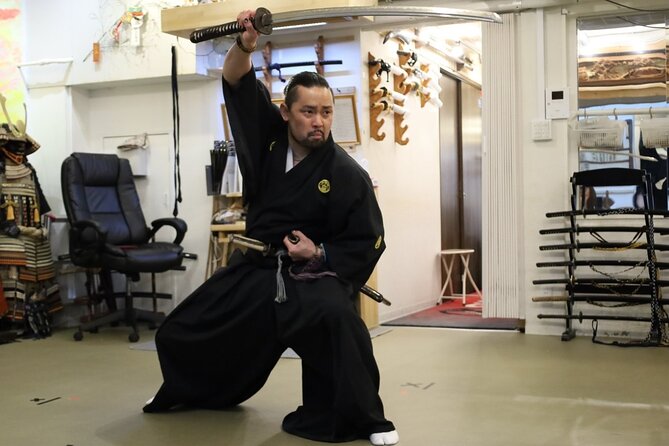
The appeal here is access to a dojo where local students train, rather than a performance staged solely for visitors. You’re invited to take part in the practice and observe the students at work. That makes the session a better fit if you’re curious about the discipline and mechanics of sword training, not just the costume and spectacle.
Yushinkan is led by a headmaster with more than 20 years of experience. The provider is Yushinkan Co., Ltd., identified as SETO Yushin. John, who signs a reply from Yushinkan International, is another named contact associated with the school, though the available details don’t say whether he leads this particular session.
The group limit of three is a real advantage. With so few participants, you’re less likely to feel like one person in a crowd, and the instructor can keep the practice small in scale. It also means you shouldn’t assume you can bring along a friend to watch without booking: observing without paying is not allowed.
More samurai and ninja experiences in Kyoto:
- Kyoto Samurai Experience
★ 5.0 · 1,294 reviews - Kyoto: Kendo and Samurai Experience with Uniform and Gear
★ 4.9 · 815 reviews - Kyoto: Samurai Sword Class by Experts in Traditional Arts
★ 4.9 · 657 reviews
Getting dressed for practice
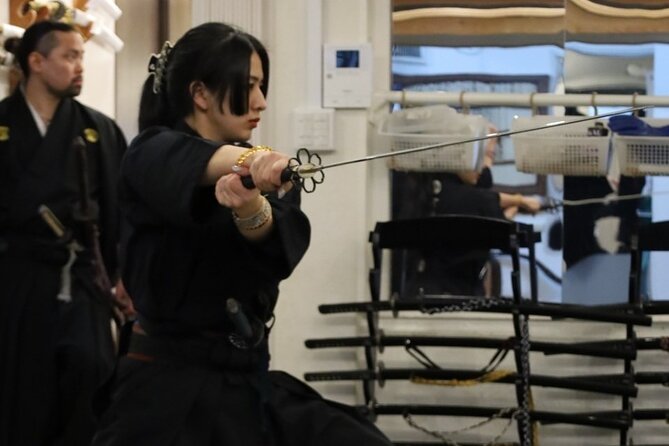
The session starts by changing into samurai training gear: dōgi, obi, and hakama. This is practical clothing for the activity, not simply a costume for photographs. You’ll be dressed for the training that follows, which helps set the tone: this is a class in a dojo, and you’re there to participate respectfully.
The supplied information doesn’t specify changing-room arrangements, what to wear underneath, or whether you should bring anything. If those details matter to you, ask Yushinkan before booking rather than guessing. The tour does confirm that the full activity lasts about three hours, so allow enough time for getting changed as well as the instruction and demonstrations.
There’s no need to arrive with katana experience. One person with broad martial arts experience but limited sword experience found the session enjoyable, which suggests prior martial arts training can help, but it isn’t presented as a requirement. The stated requirement is more general: participants should have a moderate level of physical fitness.
Learning iai and kenjutsu
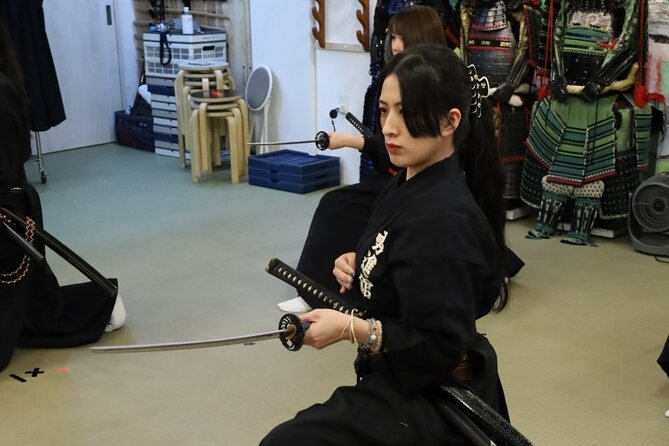
The training covers two related but distinct areas. First comes iai, described here as katana-drawing technique. Then you practise kenjutsu, or katana fighting techniques. Together, the two give you a taste of both drawing the weapon and using it in a controlled practice setting.
Expect instruction rather than a free-form tryout. Sword techniques require attention and control, and the dojo setting asks you to follow the headmaster’s direction. The available details don’t name specific drills or say how much time is devoted to each technique, so it’s best not to arrive expecting a fixed sequence of moves or a particular level of personal coaching.
For someone new to sword training, the value lies in trying basic movements in context and seeing how much care goes into them. If you already practise martial arts, you may have an easier time following physical instruction, but the session is not described as an advanced course. The one detailed account of a participant with martial arts experience emphasizes that their katana experience was limited, yet the training still worked for them. That makes this a plausible choice for both the curious beginner and the experienced martial artist who wants an introduction to this particular weapon.
Watching students cut rolled tatami
A highlight is watching the dojo students and master cut rolled tatami mats with a real katana. It gives you a view of sword use beyond the drawing and fighting techniques you practise yourself. There is a clear boundary, though: you do not get to test-cut. The cutting is performed by the students and master, not by participants.
That distinction matters when you decide what you’re paying for. This is not a chance to swing a real sword at a target; it combines supervised practice with demonstrations by trained dojo members. If hands-on cutting is the main reason you’re interested, this won’t meet that expectation. If you’d rather see experienced practitioners handle the cutting while you learn other techniques, the balance may suit you.
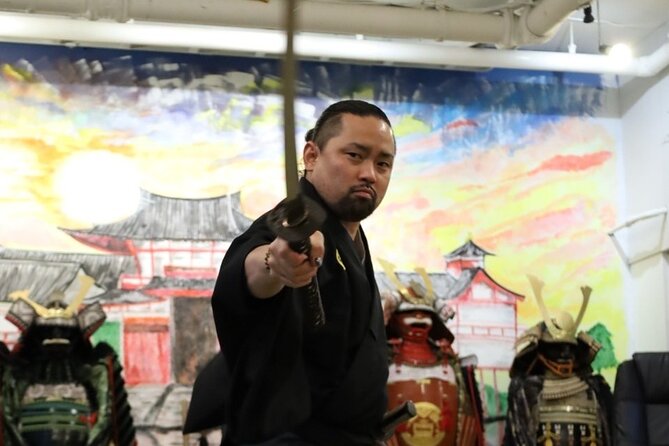
The master also performs with a katana, including a two-katana performance highlighted as part of the experience. The details don’t say exactly when each demonstration takes place, so think of them as components of the three-hour session rather than a scheduled show with a published running order.
A few more Kyoto experiences worth booking
- From Osaka: Sagano Train Ride and Kyoto Guided Day Tour
★ 4.3 · 180 reviews - Full Day Hiroshima and Miyajima Tour by Bullet Train from Kyoto
★ 4.5 · 120 reviews - Kyoto Railway Museum Admission Ticket
★ 4.3 · 23 reviews - Kyoto: Arashiyama Tour with optional Sagano Romantic Train
★ 4.7 · 18 reviews
What the small group changes
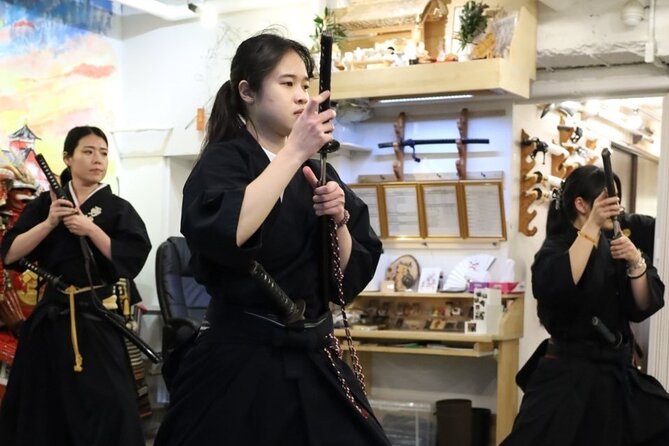
With a maximum of three participants, this is a more personal-scale activity than a large-group martial arts demonstration. You’ll be sharing the session with a very small number of paying participants, plus the dojo’s own students. That helps preserve the feeling of a training environment instead of turning the dojo into an audience venue.
The small cap also makes advance planning sensible. The experience is booked an average of 29 days ahead, and confirmation arrives within 48 hours of booking, subject to availability. That average is a useful hint if your Kyoto dates are fixed, not a guarantee that you need to book exactly that far ahead.
The no-observer rule is worth taking literally. Anyone who wants to attend must pay, so this is not an activity where one person trains while a companion waits inside to watch. Video recording is not allowed, too. You can take part and watch the demonstrations, but you should not plan on filming them.
Is $195.09 a fair price?
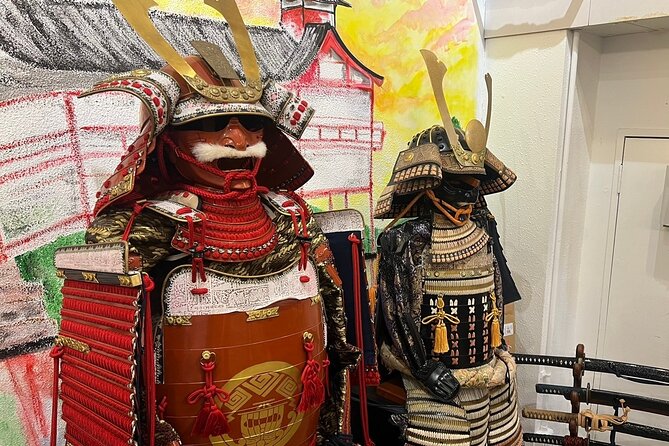
At $195.09 per person, this is a premium-priced three-hour activity. The value depends on what you want from it. You’re paying for instruction inside a local dojo, a small group capped at three, the chance to practise iai and kenjutsu, and demonstrations that include cutting by students and the master as well as the master’s two-katana performance.
It will feel like a better value if you’re genuinely interested in martial arts or Japanese sword practice and want more than a brief demonstration. The session has both participation and observation, which gives you a fuller picture of training than a photo opportunity would. The small group also means the cost isn’t spread across a large crowd, though the details don’t specify how much individual instruction each participant receives.
It may feel expensive if you mainly want a short samurai-themed activity, a souvenir photo, or the chance to cut a target yourself. Those are not the point here, and participant test cutting is explicitly excluded. I’d compare it with other Kyoto activities based on the training and access you value, not on how many different attractions fit into three hours.
Finding the dojo and planning your visit
The meeting point is 452-4 Matsugaechō, Nakagyo Ward, Kyoto, 604-8034, Japan. The activity ends back at the same point, and the location is near public transportation. Since no exact station or route is provided, check the address against your chosen transport app before setting out.
Allow about three hours for the activity. The timing is approximate, and the information provided doesn’t give a detailed breakdown of how long dressing, instruction, and demonstrations each take. The experience is offered with a mobile ticket, and confirmation is sent within 48 hours, subject to availability.
The minimum age is 12. The stated fitness level is moderate, which is a sensible signal that you should be comfortable taking part in physical instruction. If you have concerns about whether the activity is right for you, contact the operator before paying. The information doesn’t describe accessibility arrangements or list specific physical movements, so don’t assume those details.
Free cancellation is available up to 24 hours before the start time for a full refund. Cancellations made less than 24 hours in advance aren’t refunded, and changes within that same 24-hour window aren’t accepted. The cutoff follows local time in Kyoto.
Who should book this Kyoto dojo session?
I’d put this near the top of the list for a martial arts enthusiast, especially someone who has trained in other styles and wants a first-hand introduction to katana practice. It also suits a curious visitor who is happy to follow instruction, respect dojo rules, and spend three hours learning rather than posing with a prop.
It’s less suitable if you’re looking for an easy spectator activity, need to film everything, or expect to handle a real katana for test cutting. The small group and working-dojo setting are part of the draw, but they also come with clear boundaries.
Book it if practising iai and kenjutsu alongside local students sounds more appealing than a polished samurai show. Skip it if your main goal is a quick souvenir stop or cutting a target yourself. For the right person, the chance to train in a real dojo and watch the master perform makes the price easier to justify.
FAQ
How long does the experience last?
It lasts approximately three hours.
Where does the activity start and end?
It starts at 452-4 Matsugaechō, Nakagyo Ward, Kyoto, 604-8034, Japan, and ends back at the same meeting point.
What techniques will I practise?
You’ll learn iai, or katana-drawing techniques, and practise kenjutsu, or katana fighting techniques.
Can participants cut rolled tatami mats with a real katana?
No. Students and the master cut rolled tatami mats during the session, but participant test cutting is not offered.
What is the minimum age?
Participants must be at least 12 years old.
Can I record the session or come just to watch?
Video recording is not allowed, and observing without paying is not allowed.
How many participants can join?
The activity has a maximum of three travelers.
Newly added in Kyoto
- Uji: Private immersion into Kyoto’s tea and reglious culture★ 5.0 · 17 reviews
- Whisk Your Own Matcha: A Zen Matcha Experience at Temple★ 3.6 · 7 reviews
- Kyoto tea town for matcha lovers★ 5.0 · 16 reviews
- Treasures of Kyoto: Gion & historical Walking Tour★ 5.0 · 6 reviews
- Kyoto Matcha Green Tea Tour★ 4.5 · 23 reviews
- Uji and Wazuka Matcha Farm Half Day Private Guided Tour★ 5.0 · 21 reviews
- Uji Tea Ceremony and UNESCO Heritage Walking Tour★ 5.0 · 20 reviews
- Utilising upcycled Matcha! Creating matcha incense (Uji, Kyoto)★ 5.0 · 6 reviews
Kyoto Samurai & Ninja Experiences, compared.
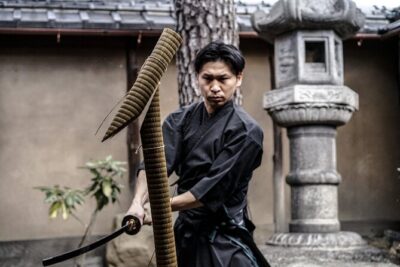
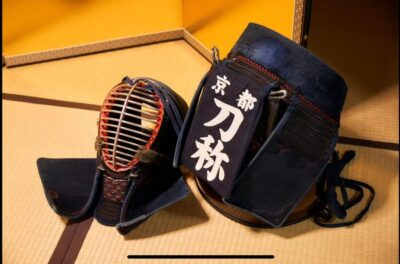
Kendo and Samurai Experience with Uniform and Gear
Read our review →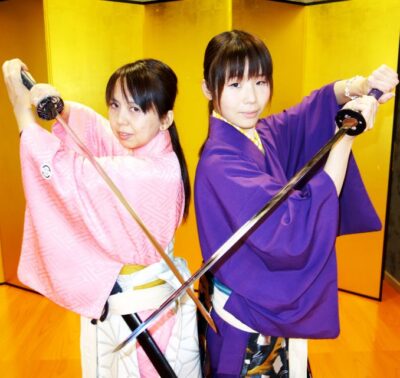
Samurai Sword Class by Experts in Traditional Arts
Read our review →
Skip the lines Basic Ticket at SAMURAI NINJA MUSEUM KYOTO
Read our review →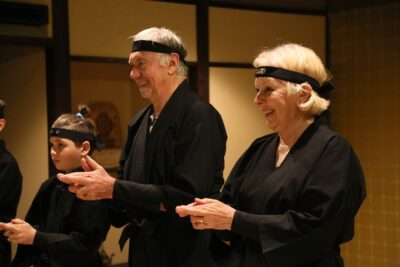
Ninja 1-hour Hands-on Lesson by Japanese master in Kyoto -Entry
Read our review →
Samurai Training with Modern day Musashi in Kyoto
Read our review →Browse the lists this tour appears in