
Reviewed · KYOTO TEA CEREMONIES
Kyoto: Kimono and Tea Ceremony Experience at Cultural Asset
Tondaya gives you three Kyoto experiences in one old townhouse: kimono dressing, a guided look through a historic machiya, and a traditional tea ceremony. The rooms, woodwork, gardens, and old objects make the setting more than a photo backdrop; they give the customs a place and a story.
I like the chance to wear a silk kimono and see how it is fitted, then watch a tea master carry out the ceremony in a traditional room. I also like that you can explore the 140-year-old house and take photos in its gardens and interiors.
The main consideration is that standard sessions can include other groups. A busy room, limited English, or a wait can make the experience feel less calm than the ceremony itself. Choose a private option if that matters to you, and arrive ready to listen, sit quietly, and follow the hosts’ guidance.
Key points to know before you book
- Tondaya is the setting: The 140-year-old machiya is a Kyoto cultural property, with traditional woodwork, gardens, and historical objects to see.
- Kimono dressing is included: Staff help you put on an authentic silk kimono. The dressing itself may be quick, so think of it as part of the visit rather than a long styling appointment.
- The tea ceremony is a demonstration: A tea master performs the ceremony and explains its movements and meaning, with English support when available.
- Bring socks: Bare feet are not allowed, and the hosts specifically ask you to wear socks rather than stockings.
- Allow for a variable schedule: The experience is listed as 90 minutes to four hours. Group size, waiting, and the pace of the house tour can affect how long you spend there.
- The listed price is $222 per person: It covers entry, kimono dressing, and the tea ceremony. Hair styling, makeup, and socks are not included.
Step inside a 140-year-old machiya
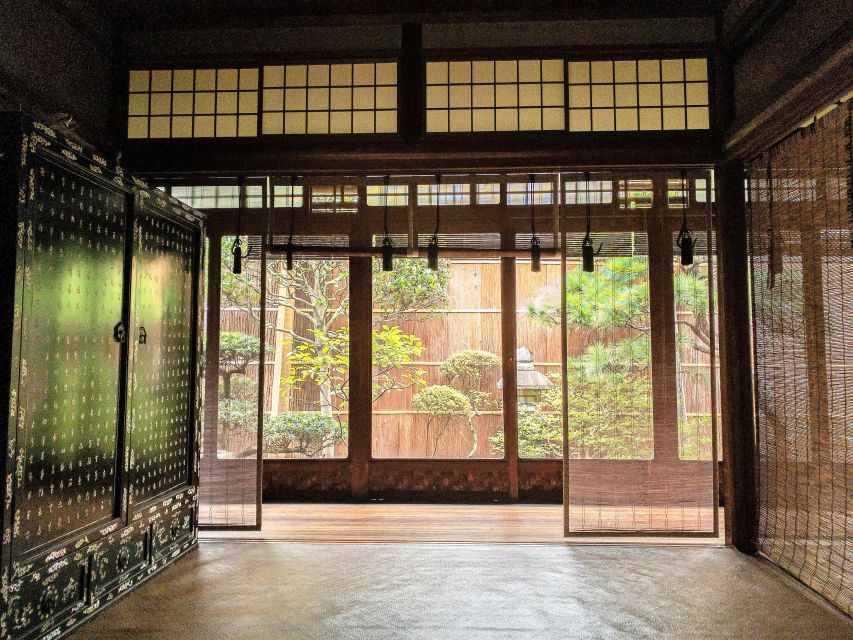
Tondaya is a traditional Kyoto townhouse in the Nishijin area, at 697 Ishiyakushichō in Kamigyo Ward. It is officially recognized as a cultural property, and its age and domestic details are central to the experience. You are not watching a ceremony in a modern studio dressed up to look old. You are seeing a historic house as you learn about traditions that have a place in Japanese daily and ceremonial life.
The house tour can include finely worked wood, interior gardens, and historical objects. These details give the visit context: the ceremony is not an isolated performance, and the kimono is not simply a costume for a photograph. The rooms help you picture how traditional arts fit into a household and into Kyoto’s past.
The house is also a practical advantage for photography. You have time to take your own pictures in traditional surroundings, and staff may be able to help with photos. The gardens and rooms provide a range of backdrops, though the house may feel crowded when several groups are present.
Tondaya is away from Kyoto’s most familiar sightseeing stops, which may appeal if you want a quieter neighborhood setting. It also means you should plan your route to the address rather than assume you will stumble across the venue while visiting a major attraction. One visitor had trouble finding a taxi from the property, so it is sensible to know how you will leave before the session ends.
More tea ceremonies in Kyoto:
- Kyoto: Tea Ceremony in a Traditional Tea House in Kiyomizu
★ 4.9 · 3,519 reviews - Kyoto: Tea Ceremony Ju-An at Jotokuji Temple
★ 4.9 · 3,207 reviews - Kyoto: 45-Minute Tea Ceremony Lesson Experience
★ 4.3 · 2,378 reviews
Choosing a kimono and getting dressed
The experience begins in the kimono dressing room, where staff help you select and put on a silk kimono. The process is described as taking about five minutes, so do not expect a long lesson in garment history or a full styling session. The focus is on getting dressed and ready for the rest of the visit.
The kimonos are a major part of the appeal, but selection can vary. Some visitors have found the garments beautiful, while others would have liked more choices or better fit. One useful detail for taller visitors: larger sizes may offer fewer printed designs and more solid colors. If you have a strong preference, keep in mind that your options may depend on what is available that day.
The hosts may explain the garments, but the amount of detail can vary with the staff member and language support. If learning about the kimono’s origins, construction, or symbolism is important to you, ask questions as you get dressed. You may find that the pace is brisk, and a little curiosity helps you get more from the short fitting.
Come in clothes that are not tight around the neck, so the kimono can sit well. If your T-shirt is wet, staff may not be able to dress you, so bring a dry one to change into. Hair styling and makeup are not part of the price. You will also need your own socks, and stockings are discouraged.
Photos are not allowed while the kimono is being put on or taken off, according to the venue’s guidance shared during the experience. Save the camera for the rooms and gardens once you are dressed. That keeps the dressing process focused and gives you plenty of time to make pictures afterward.
Watching the tea master at work
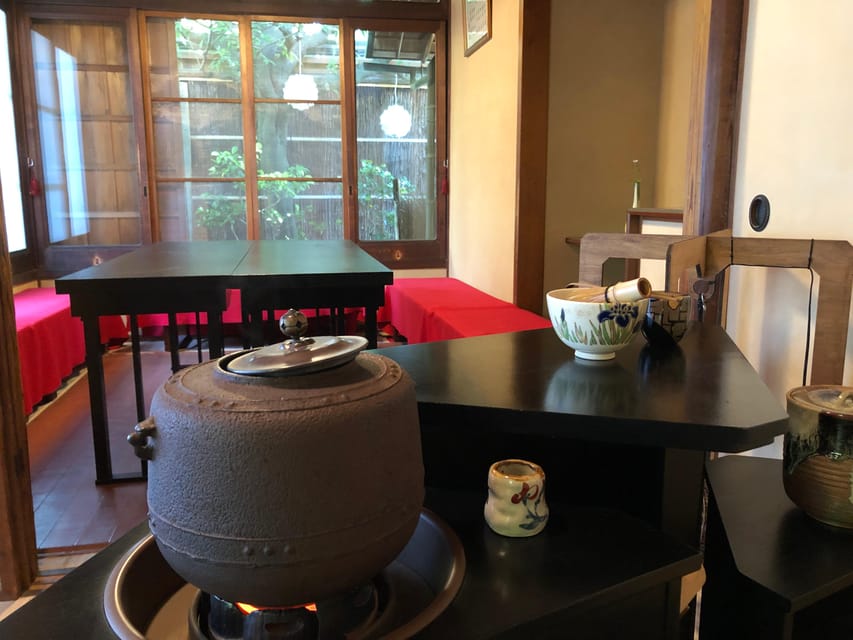
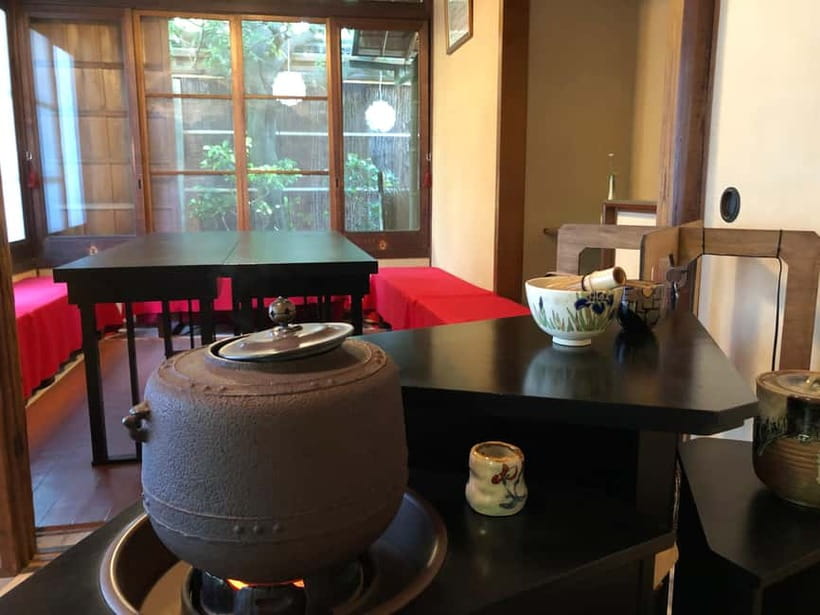
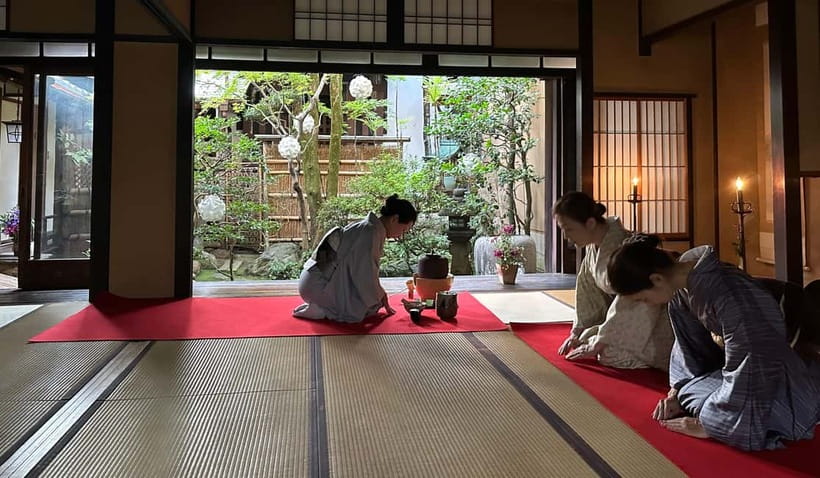
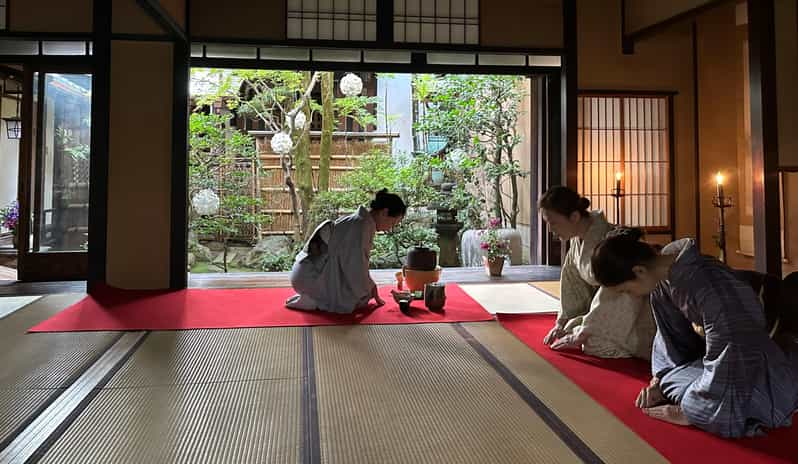
The tea ceremony is the heart of the visit. A tea master performs it in the machiya, and staff explain what is happening and why certain gestures matter. The pace and quiet contrast with the quick movement of kimono dressing and the more casual house tour.
You are there to watch and learn, not necessarily to prepare the tea yourself. The included activity is a ceremony performance; mixing the tea is not promised. If you hoped to whisk matcha, ask before booking rather than assuming that hands-on participation is part of the session.
The ceremony is usually described as informative and beautiful, but how much you understand depends partly on the explanations. Some staff members speak English, while others may use a translation device. The team will try to arrange an interpreter, but fluent English is not guaranteed. If you have questions, ask them clearly and patiently. A translation app can help fill gaps, though it may slow the exchange.
Seating is often on the floor, and a small number of chairs may be available. If sitting on the floor is difficult for you, contact the provider ahead of time to ask what can be arranged; the supplied details do not promise chair seating for everyone. The room may also be crowded, and you may not have an unobstructed view from every seat.
Quiet attention makes a real difference here. The ceremony is meant to be calm, so keep your phone down while the tea master is performing and save pictures for the time set aside for them. The hosts’ movements, explanations, and careful handling of tea are easier to appreciate when the room is still.
How the visit unfolds, and how long to allow
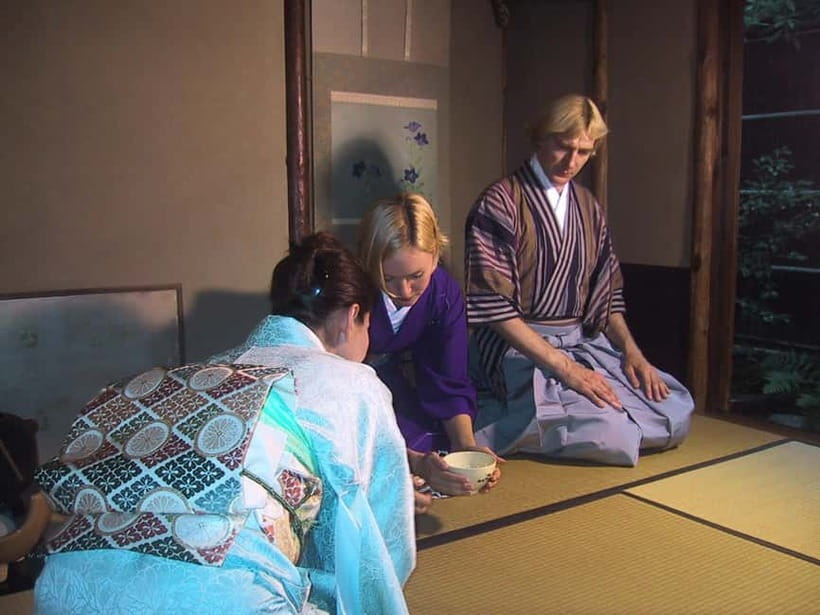
The usual sequence brings together kimono dressing, the tea ceremony, and a tour of the house. The exact order and waiting time can vary, especially when the session is shared with other participants. The stated duration ranges from 90 minutes to four hours, a wide window that matters if you are planning other Kyoto activities on the same day.
Dressing is quick, but the ceremony and house tour deserve time. You may also wait while another group completes part of the visit. Arriving on time is important, and building a buffer around the activity is wise. Don’t schedule a tight connection or an important reservation immediately afterward.
The group format has a trade-off. Sharing the experience can make the price more manageable than a private session and gives you a chance to see the ceremony in company. On the other hand, a large group can make the room feel crowded, and noise or late arrivals can distract from the quiet ritual. If you want space to ask questions or a more intimate atmosphere, select the private experience option.
Private bookings can feel very different from a shared session. In a private setting, the hosts may have more time to explain details and answer questions without rushing through a group. The trade-off is cost and availability, which you should check when booking.
More kimono rentals and experiences in Kyoto:
- Kimono Tea Ceremony at Kyoto Maikoya, NISHIKI
★ 5.0 · 911 reviews - Kyoto: Kimono Rental with Hairstyling and Accessories
★ 4.8 · 653 reviews - Kyoto: Kimono Tea Ceremony at Orizuruya Gion
★ 4.9 · 618 reviews - KYOTO Tea Ceremony with kimono near by Imamiya Jinjya Shrine
★ 5.0 · 343 reviews
Is $222 per person good value?
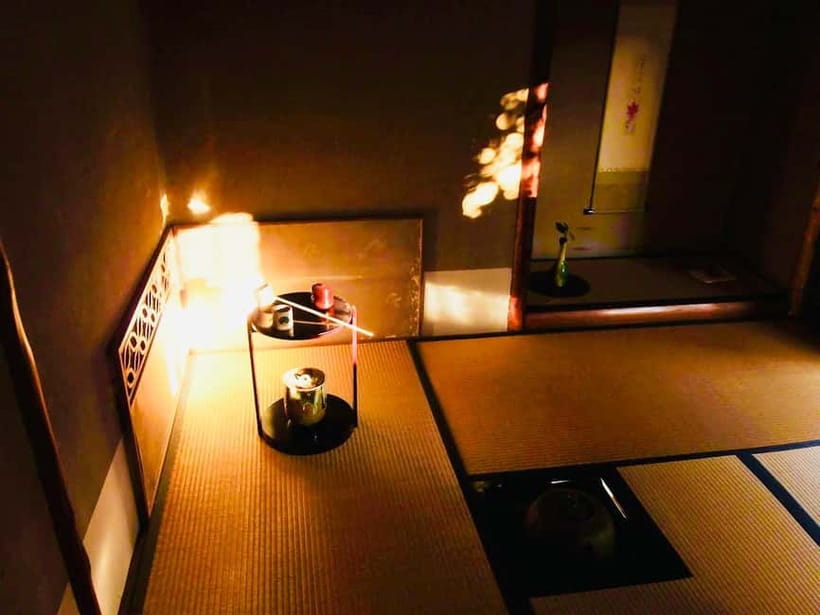
At $222 per person, this is a substantial price for an activity that may last around 90 minutes. The fee includes the entrance charge, kimono dressing, and tea ceremony, but not socks, hair styling, or makeup. The value comes from combining these activities inside a historic property rather than paying only to put on a kimono or watch a tea demonstration.
I think the price is easier to justify if you value the setting and cultural explanation as much as the photographs. You get access to a 140-year-old house, a guided look at its history, a silk kimono fitting, and a ceremony performed by a tea master. If you mainly want a short costume session for pictures, the cost may feel high, especially if your group is crowded or explanations are limited.
For a fuller cultural visit, consider the private option if it fits your budget. A quieter session can give you more room to watch and ask questions. The standard group experience can still be rewarding, but you should book with realistic expectations: the house and ceremony are the substance, while personal attention and hands-on tea preparation are not guaranteed.
Who will enjoy Tondaya most?
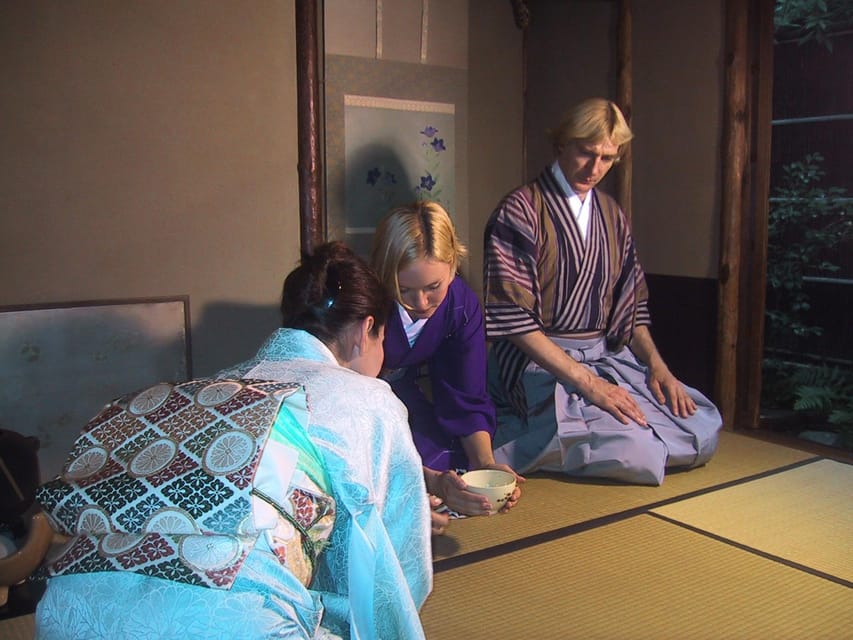
I would choose this experience if you want a structured introduction to several traditional arts in one place. It suits couples, friends, and solo visitors who enjoy learning through demonstration and do not mind dressing up. The house tour adds value for anyone interested in architecture, historic domestic spaces, or Kyoto’s traditional culture.
It is also a good fit if photography matters to you. The kimono, interior gardens, and old rooms create strong settings, and there is time for your own pictures. Staff may help take photos, but the best results will come when you leave enough time after the ceremony and do not treat the visit as a rapid photo stop.
You may want another activity if you dislike group settings, cannot sit comfortably on the floor, or need detailed English interpretation throughout. The venue tries to arrange language help, but staff fluency varies. Likewise, if your main goal is to make matcha yourself, this performance-centered ceremony may not meet that expectation.
Should you book this Kyoto experience?
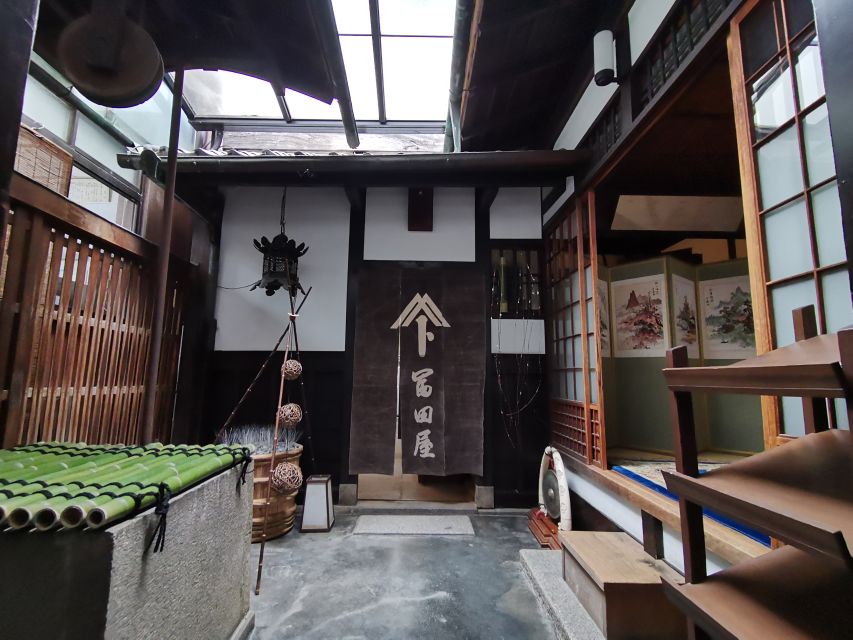
Book Tondaya if you want to wear a silk kimono, see a traditional machiya from the inside, and watch a tea ceremony in its historical setting. The house, kind hosts, and ceremony are the strongest reasons to go, and the combination gives you more context than a quick kimono rental.
Think twice if you need a quiet, highly personalized experience but do not plan to pay for a private session. The shared format can be busy, the explanations may rely on translation technology, and the listed duration is broad. Bring socks, dress for easy kimono fitting, and leave room in your schedule. With those expectations in place, Tondaya offers a memorable look at Kyoto traditions in a place that gives them proper context.
FAQ
Where does the experience take place?
It takes place at Tondaya, Nishijin Japanese Cultural Experience Museum, 697 Ishiyakushichō, Kamigyo Ward, Kyoto, Japan.
How long does the experience last?
The duration is listed as 90 minutes to four hours. The actual time can vary, and shared sessions may include waiting.
What is included in the price?
The entrance fee, kimono dressing, and tea ceremony are included. Socks, hair styling, and makeup are not.
Do I need to bring anything?
Bring socks. Bare feet are not allowed, and the venue asks you to wear socks rather than stockings.
What should I wear?
Choose clothes that are not tight around the neck. Bring a dry T-shirt if the one you are wearing is wet, since staff cannot dress you in a wet shirt.
Is the experience in English?
The activity is offered in English and Japanese. Not all staff speak English fluently, and a translation device may be used when needed.
Can I book a private session?
Yes. The standard experience may be shared with other participants, while a private experience option is available for a more private setting.
Newly added in Kyoto
- Uji: Private immersion into Kyoto’s tea and reglious culture★ 5.0 · 17 reviews
- Whisk Your Own Matcha: A Zen Matcha Experience at Temple★ 3.6 · 7 reviews
- Kyoto tea town for matcha lovers★ 5.0 · 16 reviews
- Treasures of Kyoto: Gion & historical Walking Tour★ 5.0 · 6 reviews
- Kyoto Matcha Green Tea Tour★ 4.5 · 23 reviews
- Uji and Wazuka Matcha Farm Half Day Private Guided Tour★ 5.0 · 21 reviews
- Slow Cycling Tour at Uji’s Matcha Green Tea Fields and Heritage★ 5.0 · 25 reviews
- Uji Tea Ceremony and UNESCO Heritage Walking Tour★ 5.0 · 20 reviews
Kyoto Tea Ceremonies, compared.

Tea Ceremony in a Traditional Tea House in Kiyomizu
Read our review →


World Heritage Kyoto & Nara Uji Authentic Matcha Experience
Read our review →


Arashiyama Bamboo Forest, Monkeys, Matcha & Temple Tour
Read our review →
Tea Museum Tickets and Matcha Grinding Experience
Read our review →Browse the lists this tour appears in