
Reviewed · KYOTO TEA CEREMONIES
Uji: Private immersion into Kyoto’s tea and reglious culture
Uji makes an appealing change of pace from Kyoto’s crowded sights: this half-day tour links a careful gyokuro tea tasting with shrines, temples and a riverside park. At Byodo-in, you’ll see the temple hall reflected in its pond and visit the museum, while a guide helps connect the landmarks to Uji’s tea and Buddhist traditions.
I like two things in particular: the slow, hands-on tea experience, which makes the customs easier to understand than a quick cup at a café, and the route’s mix of sacred sites and ordinary tea shops. Guides who have led the tour include Ferdi, Damian, Kevin, David, Mika and Lito, though your guide will depend on the date.
The main consideration is the walking: the tour lasts about four hours and includes many stairs. It costs $162.41 per person, so it makes most sense if you want a guided cultural day with admissions and tea included, rather than a brief look at Uji on your own.
What makes this Uji tour worthwhile
- Gyokuro, served slowly: Taste Japan’s highest-grade green tea while learning how the leaves are prepared in increasingly warm water. A Japanese sweet is included.
- Two UNESCO-listed sites: Visit Ujigami Shrine and Byodo-in Temple, with admission to the temple and its museum included.
- Tea and Buddhism, side by side: Koshoji Temple offers a useful connection between Soto Zen and the development of Japan’s tea ceremony.
- A walk through tea country: Byodo-in Omotesando is lined with tea shops, some with roots in the medieval period.
- A small-group format: The tour is private and limited to a maximum of eight travelers.
- River and park time: Uji Park gives the day a quieter finish, with a chance to hear about the tradition of cormorant fishing.
Start with gyokuro, not just a cup of tea
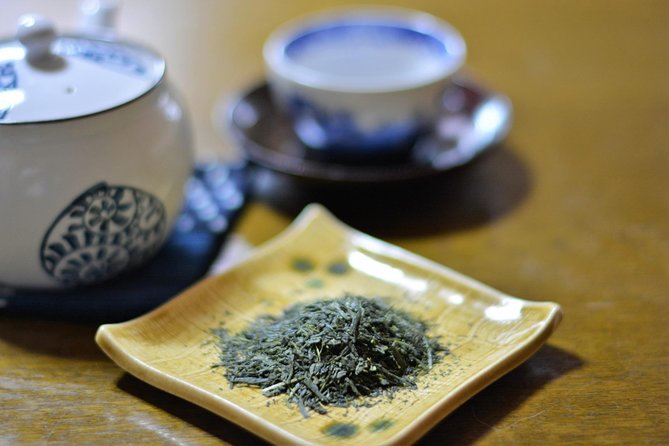
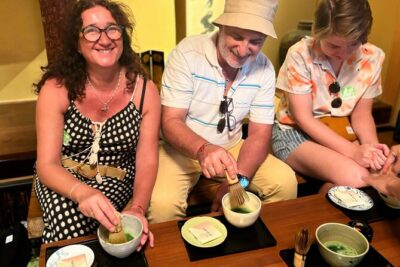
The tour begins at Takumi-no Yakata, where you get a guided gyokuro tasting. This is not simply a stop to drink something warm before walking. Gyokuro is described as the highest grade of green tea in Japan, and the leaves are steeped slowly in water that becomes warmer in stages. That method gives your guide room to explain the care involved in making and serving the tea.
A Japanese sweet comes with the experience, and both the tea house visit and sweet are included in the tour price. The tasting lasts about 30 minutes, so it is a focused introduction rather than a full-length tea ceremony. If you have only tried green tea as a quick café drink, this is a good chance to pay attention to its preparation and the small customs around drinking it.
The overview describes the starting point as a 12th-century teahouse. The experience is a strong opening because it gives context for the rest of the walk: after tasting the tea, you’ll see how closely it is tied to Uji’s shops, religious sites and local identity.
More Uji trips in Uji:
- World Heritage Kyoto & Nara Uji Authentic Matcha Experience
★ 5.0 · 1,573 reviews - Osaka: Nara and Uji Day Trip with Deer Park and Hot Spring
★ 4.4 · 302 reviews - Uji: Green Tea Tour with Byodoin and Koshoji Temple Visits
★ 4.8 · 72 reviews
Ujigami Shrine and Uji’s spring water
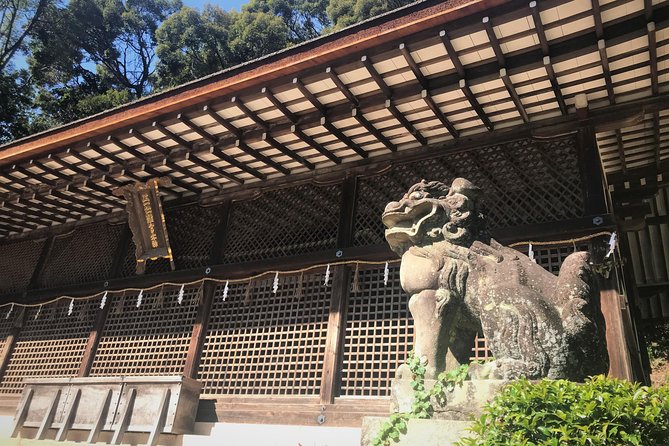
At Ujigami Shrine, you visit what is described as Japan’s oldest original shrine. It is also a UNESCO World Heritage site, giving the stop more weight than a quick photo break. You’ll have about 30 minutes here, enough for a guided look and an introduction to the shrine’s place in Uji’s history.
The site is also tied to local water. Ujigami Shrine houses the last of Uji’s underground spring water that naturally bubbles to the surface. Local tea shops collect this water, a detail that makes the tea culture feel connected to the place itself rather than just to a famous product sold in shops.
As elsewhere on the route, the value depends partly on your guide’s explanations. The buildings and setting are meaningful, but a guide can help you understand why a shrine and its water matter in a town associated with tea. Expect stairs across the itinerary, including at religious sites; if stairs are a problem, contact the operator in advance to discuss modifications.
Koshoji Temple and the tea-Buddhism connection
Koshoji Temple is described as Kyoto’s oldest Soto Zen temple. You’ll spend around 30 minutes here, with the stop bringing the tour’s spiritual thread into clearer focus. Zen Buddhism came to Japan from China and helped shape the development of the tea ceremony, so the temple is more than a quiet pause between the shrine and Byodo-in.
This connection is one of the tour’s most useful ideas. Tea customs can seem formal or mysterious when you encounter them without context. Learning about their links with Zen practice helps explain why attention, preparation and calm are part of the experience, not merely decorative details.
The tour is built around interpretation as well as sightseeing. Several guides named by people who took the tour include Ferdi, also called Ferdinand, Damian, Kevin, David, Mika and Lito. Individual guides bring their own approach, so you can’t count on a particular person, but the names reflect the personal, guide-led nature of the outing.
Byodo-in Temple and its museum
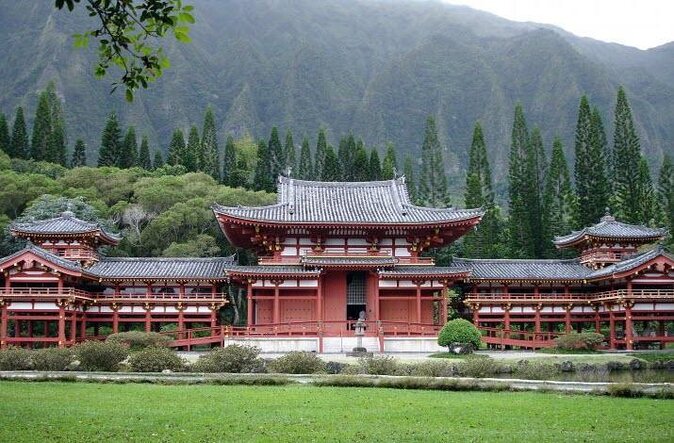
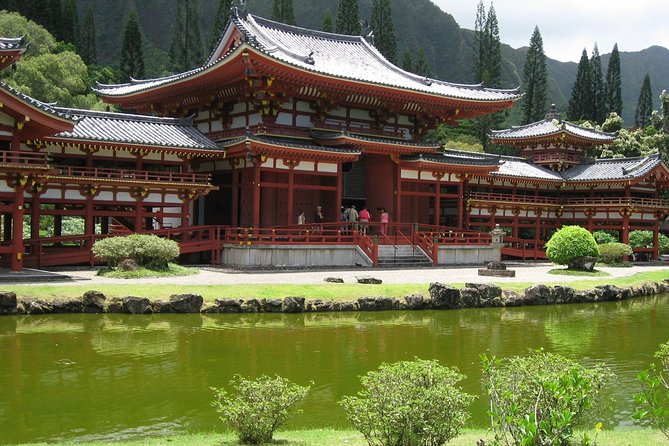
Byodo-in is the tour’s most famous architectural stop. The temple dates to the Heian period, and its main hall sits on a human-made lake. Its reflection is part of what makes the setting memorable, and the building is a UNESCO World Heritage site. You’ll have about 45 minutes here, with admission to the temple and its museum included.
The temple is also pictured on Japan’s 10-yen coin, a handy detail to keep in mind as you look around. It gives you a familiar point of reference, but the site is worth more than a quick comparison with pocket change. The hall, water and grounds make this one of the day’s clearest examples of how spiritual places and careful design come together in Japan.
The museum is included, and it adds useful context to your visit. Don’t treat it as an afterthought if you have an interest in the temple’s art and history. One guide helped a group enter ahead of the crowds, but that should not be taken as a guaranteed feature; crowd levels and timing can vary.
More tea ceremonies in Uji:
- Uji: UNESCO Heritage & Tea Ceremony Walking Tour
★ 4.6 · 54 reviews - Matcha Grinding Experience and Walking Tour in Uji Kyoto
★ 5.0 · 26 reviews - Slow Cycling Tour at Uji’s Matcha Green Tea Fields and Heritage
★ 5.0 · 25 reviews - Uji and Wazuka Matcha Farm Half Day Private Guided Tour
★ 5.0 · 21 reviews
Omotesando’s tea shops and local character

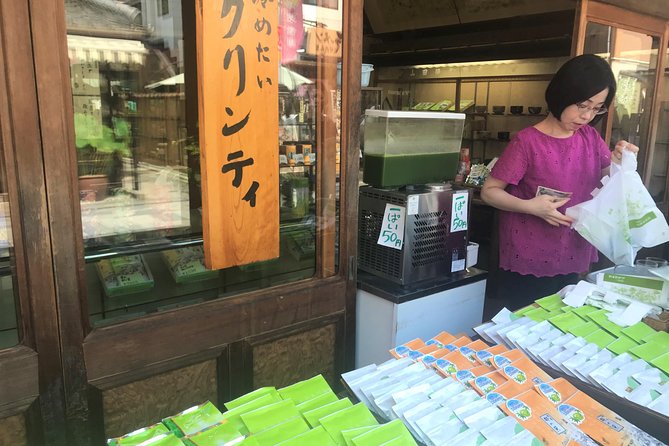
After the temple, the tour follows Byodo-in Omotesando, the historic approach street lined with tea shops. You’ll have about 45 minutes here, which gives you time to take in the aroma of fresh tea and see the range produced in the Uji area. Some of the shops are described as dating back to medieval times.
This is the most everyday part of the route. The shrine and temple offer formal sites; the street shows how tea remains part of local commerce and daily life. You may be tempted to shop, but food and drink beyond the included tea experience are not covered in the tour price. One useful tip from someone who took the tour: bring cash. The tour details do not specify which shops accept cards, so having cash avoids relying on every small purchase being payable by card.
Uji Park and the river
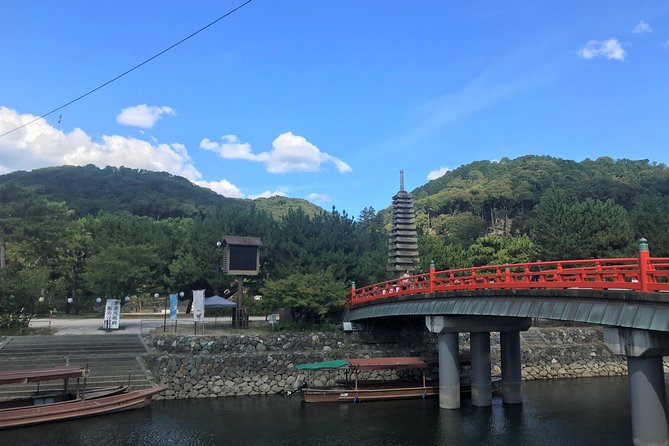
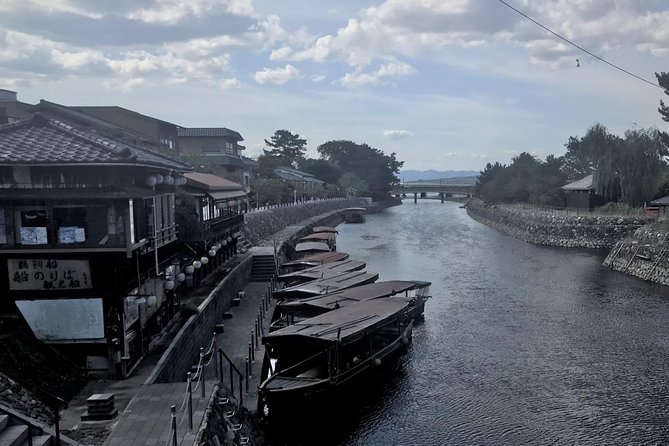
The route ends with about 30 minutes in Prefectural Uji Park, a pleasant island in the middle of the river. Here, your guide can explain the old tradition of cormorant fishing, in which birds are used to catch fish. It is a change from temple halls and shopfronts, and it gives the day a more open, natural finish.
The river once served as a trade route between the capitals of Kyoto and Nara, carrying tea, sake and other goods from across Japan and Asia. It helps explain why Uji became an important place for trade as well as tea. The itinerary also includes time by the river, though no separate duration is given for that stop.
Four hours, $162.41 and what the price covers
At $162.41 per person, this is not a bargain walking tour. You are paying for a private guide, a planned four-hour route, the gyokuro tea experience with a sweet, and admission to the temples and Byodo-in museum. For a visitor who values context and wants a guide to connect the places, those inclusions make the rate easier to justify.
You will still need to budget separately for food and drinks beyond the tea tasting, as well as any tea or souvenirs you choose to buy. The tour is best value if you intend to visit Byodo-in and Ujigami Shrine anyway and would rather understand what you are seeing than move through the sites without guidance.
The advertised start time is 9:00 am, and the meeting point is the Keihan Uji Station Information Centre, at Keihan Uji Building 1F, 713 Otsukata, Uji. The tour returns to the same meeting point. It is near public transportation, and the maximum group size is eight. The tour is described as private, but check the booking details for how your party is handled if that distinction matters to you.
The route’s listed stop times add up to about three and a half hours, while the overall activity is approximately four hours. Allow for the walk between stops and transitions. The tour is typically booked around 38 days in advance on average, so it is sensible to plan ahead, especially if you have a fixed date in Uji.
Walking, stairs and booking details
Expect a moderate level of physical activity. The itinerary includes many stairs, and the route combines temples, a shrine, a shopping street and park paths. If stairs may limit your day, let the operator know before the tour so suitable modifications can be discussed.
The activity offers mobile tickets and group discounts, though the amount of any discount is not specified. Confirmation is provided at booking. Free cancellation is available if you cancel at least 24 hours before the start time; changes or cancellations inside that window are not accepted, and the cut-off follows local time.
Who should take this tour?
I’d choose this tour if you want more than a quick visit to Byodo-in, or if tea culture interests you but you don’t yet know how to make sense of its rituals. The guide helps connect the tasting, the Buddhist sites and the tea shops into a coherent half-day, and the small group cap leaves room for questions.
It is also a good choice if you want a calmer contrast with Kyoto’s busiest areas. Uji is a rewarding outing in its own right, and the tour gives you a structured way to see several important sites without having to build the route and explanations yourself.
You may prefer to go independently if you want to browse tea shops at your own pace, spend longer at the museum, or avoid a set walking schedule. At this price, the guided context is the main reason to book. If that is what you want, the combination of gyokuro tasting, UNESCO sites and river scenery makes for a well-balanced visit.
FAQ
How long is the Uji tour?
The tour lasts approximately four hours. Individual stops range from about 30 to 45 minutes, with additional time for walking between them.
What time does the tour start?
The stated start time is 9:00 am.
Where does the tour meet?
Meet at the Keihan Uji Station Information Centre, at Keihan Uji Building 1F, 713 Otsukata, Uji.
Where does the tour end?
The activity ends back at the meeting point.
Is the tea tasting included?
Yes. The gyokuro tea house experience and a Japanese sweet are included.
Are temple and museum admissions included?
Yes. Admission to all temples and the museum at Byodo-in is included.
Is food included?
Food and drink outside the tea experience are not included.
How large is the group?
The tour has a maximum of eight travelers.
Is the tour suitable if I have difficulty with stairs?
The route includes many stairs and requires a moderate level of physical fitness. If stairs are a concern, contact the operator in advance to ask about suitable modifications.
Can I cancel for a refund?
Yes, if you cancel at least 24 hours before the experience’s start time. Cancellations or changes made less than 24 hours before the start time are not accepted.
Newly added in Uji
- Uji and Wazuka Matcha Farm Half Day Private Guided Tour★ 5.0 · 21 reviews
- Uji Tea Ceremony and UNESCO Heritage Walking Tour★ 5.0 · 20 reviews
- Utilising upcycled Matcha! Creating matcha incense (Uji, Kyoto)★ 5.0 · 6 reviews
- Slow Cycling Tour at Uji’s Matcha Green Tea Fields and Heritage★ 5.0 · 25 reviews
- Uji Walking Tour – Byodo-in temple and Tea Ceremony from Kyoto★ 3.5 · 3 reviews
- Matcha Grinding Experience and Walking Tour in Uji Kyoto★ 5.0 · 26 reviews
- Kyoto & Uji: Full Day Sightseeing Tour from Osaka or Kyoto★ 5.0 · 25 reviews
- Kyoto Hidden Riverside Zen Mediation and Uji Matcha Experience★ 5.0 · 9 reviews
Kyoto Tea Ceremonies, compared.

Tea Ceremony in a Traditional Tea House in Kiyomizu
Read our review →

World Heritage Kyoto & Nara Uji Authentic Matcha Experience
Read our review →

Arashiyama Bamboo Forest, Monkeys, Matcha & Temple Tour
Read our review →
Tea Museum Tickets and Matcha Grinding Experience
Read our review →Browse the lists this tour appears in