
Reviewed · KYOTO TEA CEREMONIES
Uji: UNESCO Heritage & Tea Ceremony Walking Tour
Uji’s appeal is more than a cup of matcha. On this three-hour walk, you pair Byodoin Temple, a UNESCO World Heritage Site, with a tea ceremony, two historic shrines and bridges over the Uji River. It is a compact way to see how tea, religion and daily life meet in this small city.
I like the balance between famous sights and quieter cultural moments: the temple gives you a striking architectural landmark, while the ceremony at Taihoan offers a chance to learn the careful steps behind Japanese tea. I also like the small group limit of nine, which leaves more room to ask questions and hear your guide’s explanations.
One consideration: this is a walking tour with several stops, and it is not suitable for people with mobility impairments or certain health conditions. The tea ceremony is conducted in Japanese, with your guide translating, and you cannot take photos or video during it.
What makes this Uji walk worthwhile
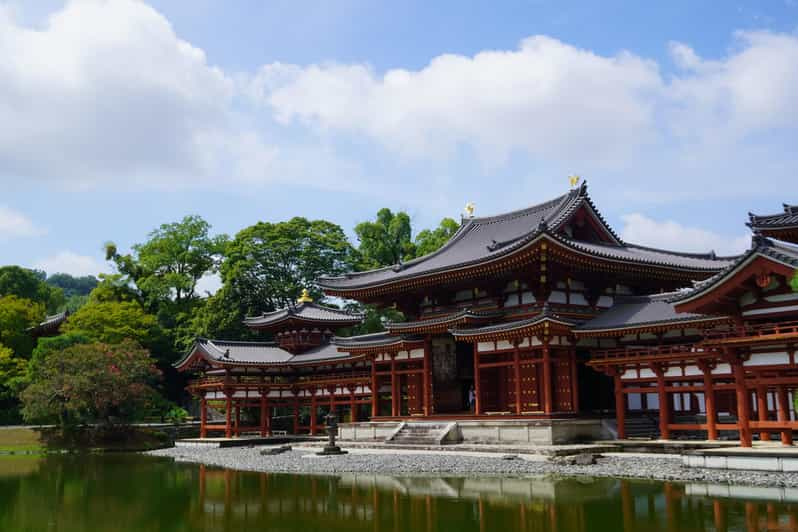
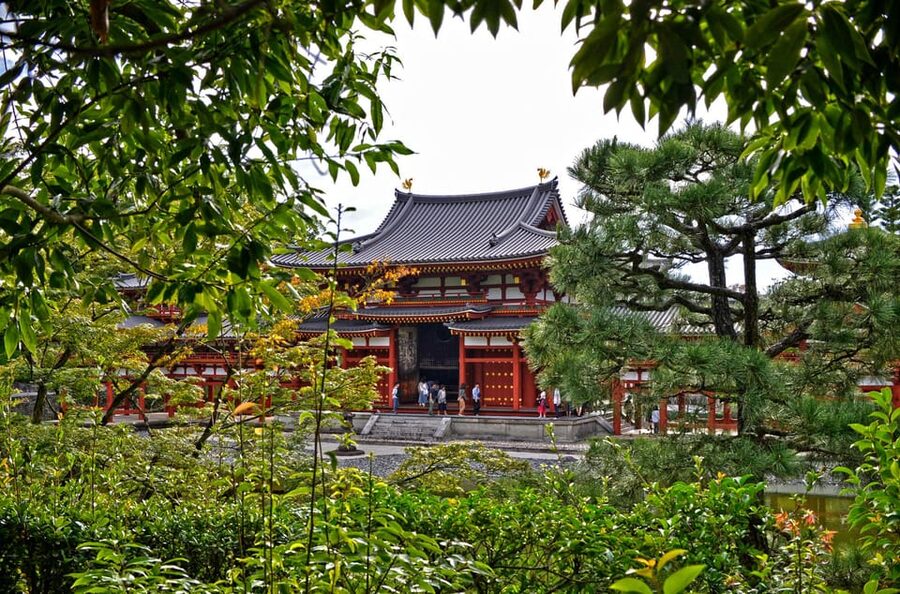
- Byodoin Temple anchors the route: Plan on a guided visit of about 50 minutes, with the temple’s architecture and UNESCO status at the center of Uji’s story.
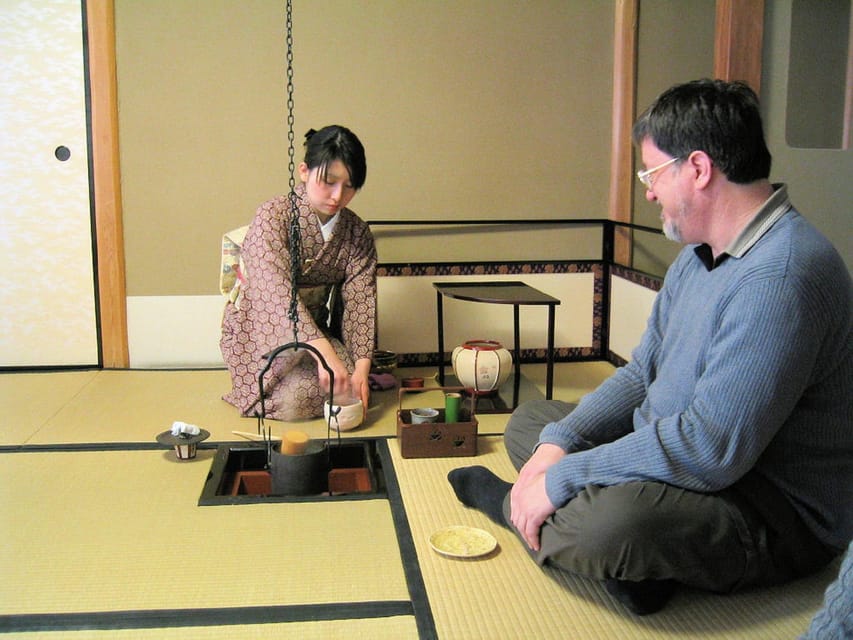
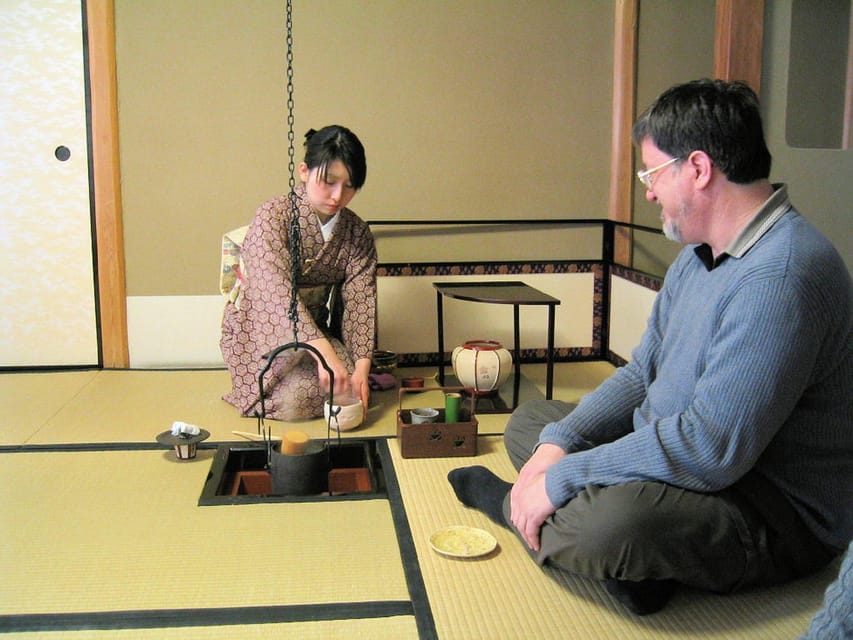
- Taihoan makes tea more than a tasting: The ceremony lasts about 30 minutes, within a roughly 40-minute stop, and your guide translates the Japanese instructions.
- Two suspension bridges add river views: Tachibara and Asagiri provide a scenic change of pace between temple and shrine visits.
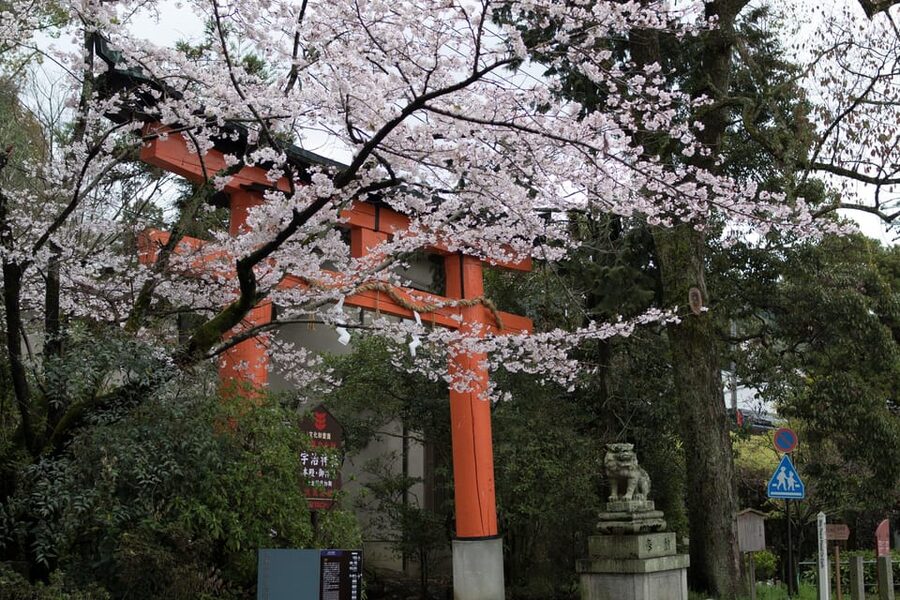
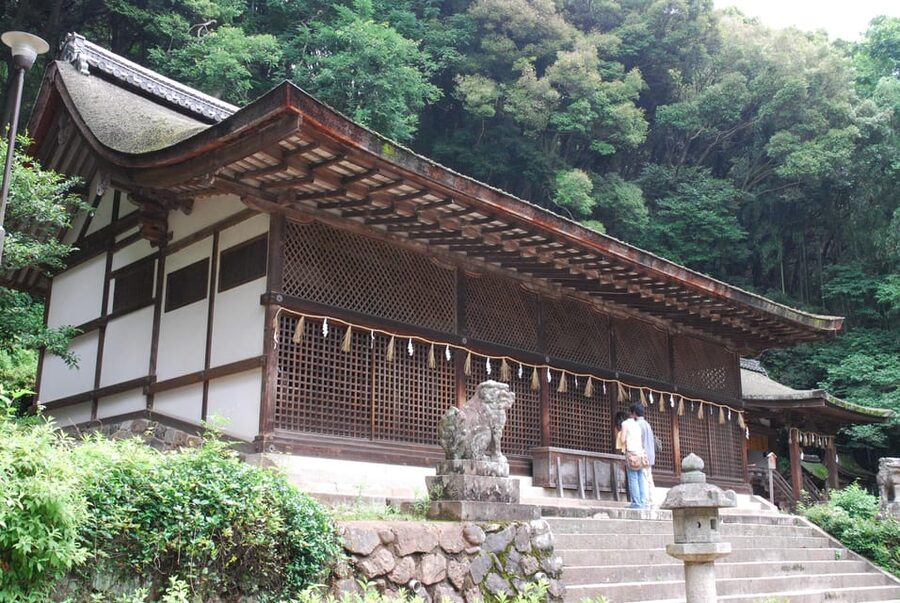
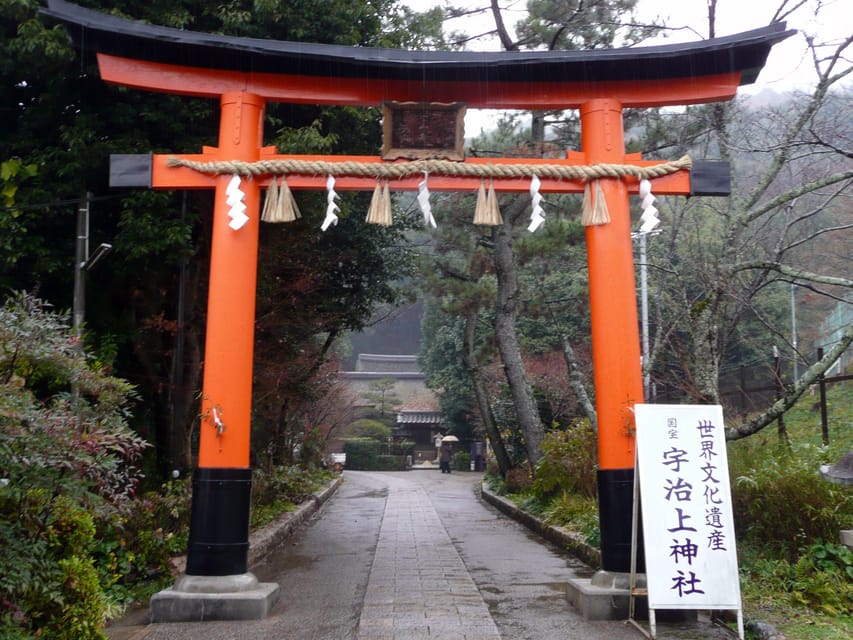
- The shrines offer cultural context: You visit both Uji Shrine and Ujigami Shrine, with guided stops of about 20 minutes at each.
- Local treats close the walk: The final stretch includes time for Uji snacks and tea flavors, but bring cash for personal purchases.
- It is a focused half-day outing: The tour starts at JR Uji Station and ends at Uji Bridge, with no hotel pickup or drop-off.
Byodoin Temple gives Uji its grand opening
Meet your guide at the south exit of JR Uji Station. Look for a TripGuru shirt or sign, and arrive at least 10 minutes before the stated start time. The group is limited to nine people, so the introductions and walk should feel more personal than a large coach excursion.
The first major stop is Byodoin Temple, with about 50 minutes set aside for a guided visit. The temple is a UNESCO World Heritage Site, and its architectural presence makes it a natural starting point for understanding why Uji matters beyond its tea shops. Your guide can help connect what you see to the city’s wider cultural story, rather than leaving you to puzzle it out alone.
That context is one of the tour’s strongest features. Guides including Yuko, Katsuhiko and Miyake-san have been praised for explaining Uji’s history and Japanese customs in clear English, and for answering questions patiently. The experience is likely to be especially useful if you are new to Japanese temples and shrines, or if you want more than a quick photo stop.
The temple visit is also the longest single stop, so you get time to look around without turning the whole outing into a rushed checklist. Still, the tour is only three hours, and that means you should expect an overview, not an exhaustive study of the site. If you want to spend a long time inside Byodoin or explore every detail at your own pace, a self-guided visit afterward may suit you better.
Entrance to Byodoin is included in the $66 price. That matters when comparing the cost with a simple guided walk: here, the main temple admission is already covered, and you also get the guide and tea ceremony. Personal purchases, including snacks, are not included.
More Uji trips in Uji:
- World Heritage Kyoto & Nara Uji Authentic Matcha Experience
★ 5.0 · 1,573 reviews - Osaka: Nara and Uji Day Trip with Deer Park and Hot Spring
★ 4.4 · 302 reviews - Uji: Green Tea Tour with Byodoin and Koshoji Temple Visits
★ 4.8 · 72 reviews
Taihoan turns tea into a lesson in attention
The tea ceremony at Taihoan is the tour’s most distinctive cultural stop. The ceremony itself is listed as 30 minutes, while the itinerary allows about 40 minutes for the stop. That extra time gives the group room for instruction and translation, though the exact pace may depend on the day.
The ceremony is conducted in Japanese. Your English-speaking guide translates, so you can follow the meaning and etiquette instead of watching in silence and guessing. Some guides also explain each part of the ritual as it unfolds, and participants may get a chance to try the process themselves. That hands-on element can make the ceremony easier to remember than a short demonstration from the sidelines.
Expect a calm, structured experience. You will be shown how to behave, but the atmosphere is welcoming rather than stern. You do not need to arrive as a tea expert; the point is to notice the gestures, preparation and care that go into the practice. The ceremony is a good counterweight to the temple visit, shifting attention from grand architecture to small, deliberate actions.
There are a couple of practical limits. Photography and video are prohibited during the ceremony, so put your camera away and be present. The ceremony is also in Japanese, so the translation depends on your guide. If you want a long, detailed tea workshop, this short introduction may feel brief. If you want a meaningful first encounter within a half-day outing, it fits well.
Bridges and shrines reveal a quieter side of Uji
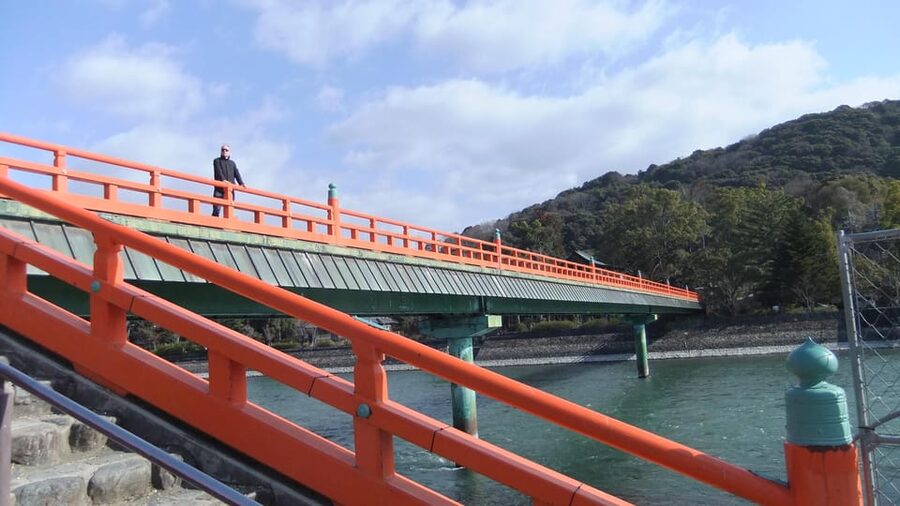
After the ceremony, the route includes a short walk and crossings of the Tachibara and Asagiri suspension bridges. The bridges bring a change of scenery and offer views over Uji’s surroundings. They also break up the sequence of indoor or historic stops, giving you a chance to stretch your legs and take photographs.
The route then visits Uji Shrine and Ujigami Shrine, with about 20 minutes at each. These are not just extra names on a sightseeing list. Together, the visits help you see how religious traditions form part of everyday Japanese culture, and how a small city can hold distinct places of worship within a short walking route.
Your guide’s explanations are particularly valuable here. The difference between temples and shrines can be unclear if you are encountering them for the first time, and guides have helped visitors make sense of Buddhist and Shinto customs without assuming prior knowledge. You can ask questions as you go, which is one of the benefits of keeping the group small.
The visits are brief, however. Twenty minutes at a shrine is enough for an introduction and a look around, but not a long, independent exploration. This tour works best if you want a guided overview of the sites and their cultural setting. If you prefer to linger, note the names and return later on your own.
Uji snacks bring the walk back to tea
The final portion includes about 40 minutes for local snacks before the tour finishes at Uji Bridge. Uji is known for green tea, and this is your chance to encounter its flavors alongside local treats. Guides have also shared recommendations for matcha shops, restaurants and mochi shops, which can help you decide where to continue after the group ends.
Be clear about the budget: the tour includes the Byodoin entrance and tea ceremony, but personal expenses are excluded. The snack stop is part of the route, yet you should bring cash if you plan to buy food or tea. The supplied information does not specify that snacks are included in the $66 price, so treat them as an extra unless your booking details say otherwise.
Uji Bridge is a fitting endpoint for a walk shaped by the river, temples and tea culture. Since the tour ends there rather than returning to the station, check your onward plans before you set out. The guide may be able to suggest places to eat or shop, but hotel transport is not provided.
More tea ceremonies in Uji:
- Matcha Grinding Experience and Walking Tour in Uji Kyoto
★ 5.0 · 26 reviews - Slow Cycling Tour at Uji’s Matcha Green Tea Fields and Heritage
★ 5.0 · 25 reviews - Uji and Wazuka Matcha Farm Half Day Private Guided Tour
★ 5.0 · 21 reviews - Uji Tea Ceremony and UNESCO Heritage Walking Tour
★ 5.0 · 20 reviews
Is $66 fair for three hours in Uji?
At $66 per person, this is not the cheapest way to walk around Uji. You can see public streets and some outdoor areas independently, but the price covers an English-speaking guide, admission to Byodoin and the tea ceremony. You are also paying for an organized route through several major sights in a limited time, with a group capped at nine.
The best value comes if you want cultural explanation as well as access. A guide can connect Byodoin, the shrines and tea customs, and the ceremony gives you a structured experience that is harder to recreate by simply browsing shops. The small group size is another plus if you like to ask questions or prefer not to trail behind a large crowd.
The value is less clear if you already know Uji well, want to spend hours at the temple, or would rather choose your own stops and snack breaks. In that case, a self-guided visit could offer more freedom. For a first visit, especially as part of a Kyoto-area itinerary, the tour bundles a useful range of experiences into one manageable outing.
The overall rating is 4.6 out of 5 from 54 ratings. The strongest themes in the feedback are the guides’ clear explanations, the friendly pace, and the tea ceremony. Yuko, Katsuhiko and Miyake-san are among the guides named by people who appreciated their cultural insight and practical recommendations. That personal element matters: the route is compact, but a good guide makes the temples and tea traditions feel connected rather than like separate stops.
What to know before you book
Wear comfortable shoes. This is a walking tour with bridge crossings and several stops, not a seated sightseeing experience. Bring a camera for the outdoor views, but leave it unused during the tea ceremony. Cash is sensible for personal purchases at the snack stop.
The tour is not suitable for pregnant women, people with mobility impairments, or people with heart or respiratory problems. There is no hotel pickup or drop-off. If you are traveling to the meeting point in the morning, allow extra time: road traffic can be heavier and less predictable than navigation apps suggest.
The booking terms offer free cancellation up to 24 hours in advance, and you can reserve now and pay later. Starting times vary, so check availability for your date. These flexible terms help if your plans are still taking shape, but they do not change the need to arrive at the station early.
Should you book the Uji walking tour?
Book it if you want an efficient introduction to Uji that combines a UNESCO temple, two shrines, river bridges and a translated tea ceremony. It is particularly well suited to first-time visitors who value a guide’s explanations and want recommendations for matcha, mochi and local places to eat.
Skip it if you need a slow, fully accessible route, want to photograph every part of the tea ceremony, or prefer to explore each site at your own pace. For the right visitor, the draw is not simply checking off landmarks. It is having someone explain how Uji’s temples, tea and everyday culture fit together, then ending the walk with time to sample the local flavors.
FAQ
How long is the Uji walking tour?
The tour lasts three hours.
Where does the tour meet?
Meet at the south exit of JR Uji Station. Your guide will be wearing a TripGuru shirt or holding a TripGuru sign.
Where does the tour finish?
The tour finishes at Uji Bridge.
What language is the tour conducted in?
The live guide speaks English. The tea ceremony is conducted in Japanese, and your guide translates.
Is Byodoin Temple admission included?
Yes. Entrance fees to Byodoin Temple are included in the tour price.
Is the tea ceremony included?
Yes. The tour includes a 30-minute tea ceremony at Taihoan. The itinerary allows about 40 minutes for the tea ceremony stop.
Can I take photos during the tea ceremony?
No. Photo and video recording are prohibited during the ceremony.
Who is the tour not suitable for?
It is not suitable for pregnant women, people with mobility impairments, or people with heart or respiratory issues.
More temple and shrine tours in Uji
- Kyoto: Tea Ceremony Ju-An at Jotokuji Temple
★ 4.9 · 3,207 reviews - Arashiyama Bamboo, Temple, Monkeys, or Secret Sake Brewery
★ 4.8 · 886 reviews - Kyoto: Arashiyama Bamboo Forest, Monkeys, Matcha & Temple Tour
★ 5.0 · 759 reviews - Osaka/Kyoto: Arashiyama, Nara & Fushimi Inari Shrine w/Lunch
★ 4.4 · 754 reviews
More walking tours in Uji
- Uji Walking Tour – Byodo-in temple and Tea Ceremony from Kyoto
★ 3.5 · 3 reviews - Kyoto Geisha Walking Tour: Gion District & Hidden Gems
★ 4.7 · 3,273 reviews - Kyoto: Gion Magical Night Walking Tour with Geisha Trivia
★ 4.9 · 2,393 reviews - Kyoto: Gion Geisha District Walking Tour – Stories of Geisha
★ 4.7 · 2,187 reviews
Newly added in Uji
- Uji: Private immersion into Kyoto’s tea and reglious culture★ 5.0 · 17 reviews
- Uji and Wazuka Matcha Farm Half Day Private Guided Tour★ 5.0 · 21 reviews
- Uji Tea Ceremony and UNESCO Heritage Walking Tour★ 5.0 · 20 reviews
- Utilising upcycled Matcha! Creating matcha incense (Uji, Kyoto)★ 5.0 · 6 reviews
- Slow Cycling Tour at Uji’s Matcha Green Tea Fields and Heritage★ 5.0 · 25 reviews
- Uji Walking Tour – Byodo-in temple and Tea Ceremony from Kyoto★ 3.5 · 3 reviews
- Matcha Grinding Experience and Walking Tour in Uji Kyoto★ 5.0 · 26 reviews
- Kyoto & Uji: Full Day Sightseeing Tour from Osaka or Kyoto★ 5.0 · 25 reviews
Kyoto Tea Ceremonies, compared.

Tea Ceremony in a Traditional Tea House in Kiyomizu
Read our review →

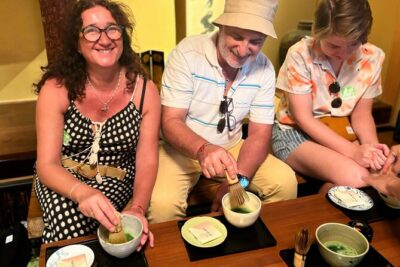
World Heritage Kyoto & Nara Uji Authentic Matcha Experience
Read our review →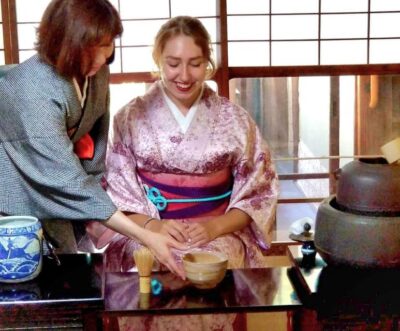

Arashiyama Bamboo Forest, Monkeys, Matcha & Temple Tour
Read our review →
Tea Museum Tickets and Matcha Grinding Experience
Read our review →Browse the lists this tour appears in