
Reviewed · KYOTO TEA CEREMONIES
Kyoto: Nara & Traditional Matcha Experience Bus Tour
Nara’s Great Buddha, lantern-lined shrine paths, and free-roaming deer make a memorable counterpoint to Kyoto’s temples. This 8.5-hour bus tour links those sights with Byodoin Temple in Uji, then gives you a chance to make matcha yourself in the region best known for it.
I like the mix of major sights and a hands-on tea activity, and the English-speaking guides add cultural context along the way. One consideration: the day is tightly scheduled, with a lot of walking, and the deer are wild animals, not tame park mascots.
What to know before you book
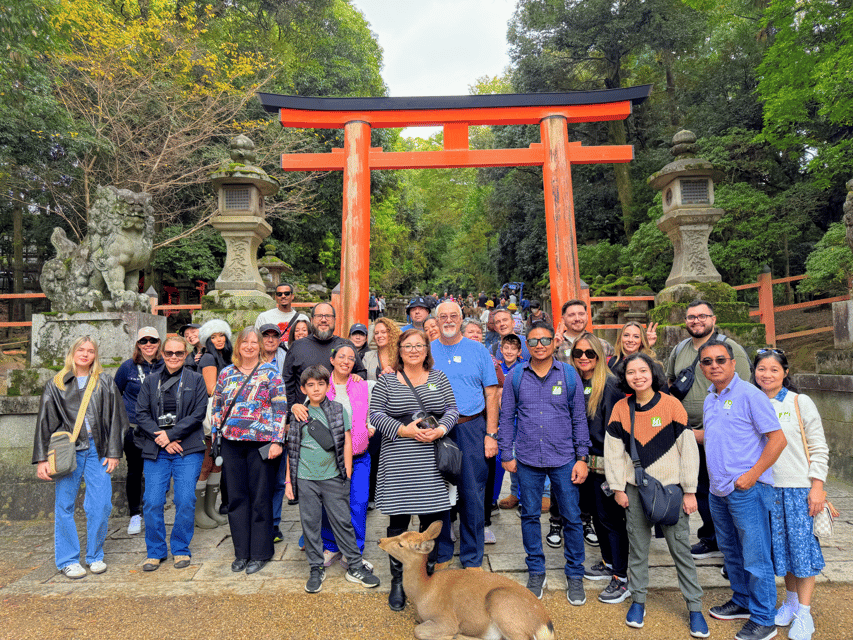
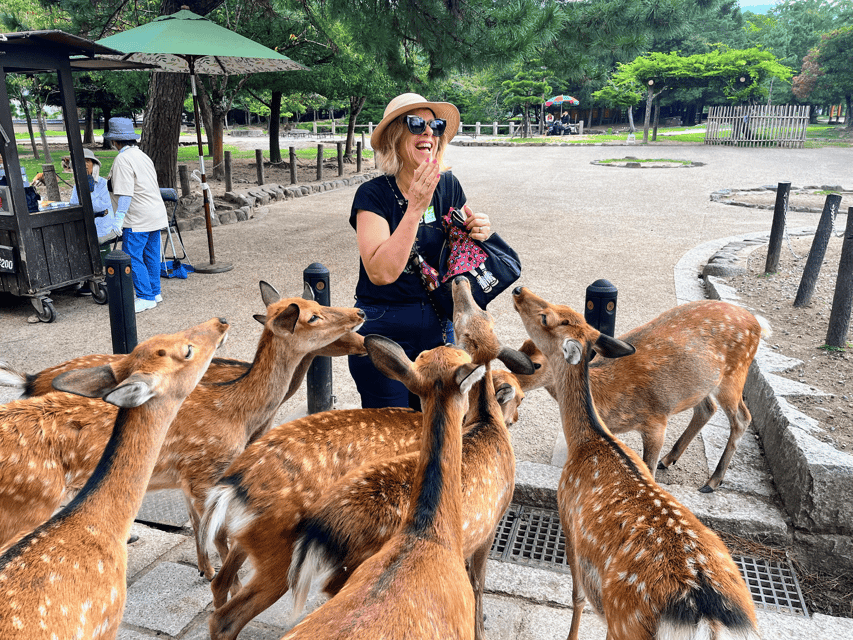
- Meet Nara’s deer at close range: You can buy rice crackers from park stalls and offer them to the deer. They may bow for a treat, but they can also nip, so keep food controlled.
- See the Great Buddha inside Todaiji: Admission is included, as is entry to Byodoin Temple in Uji.
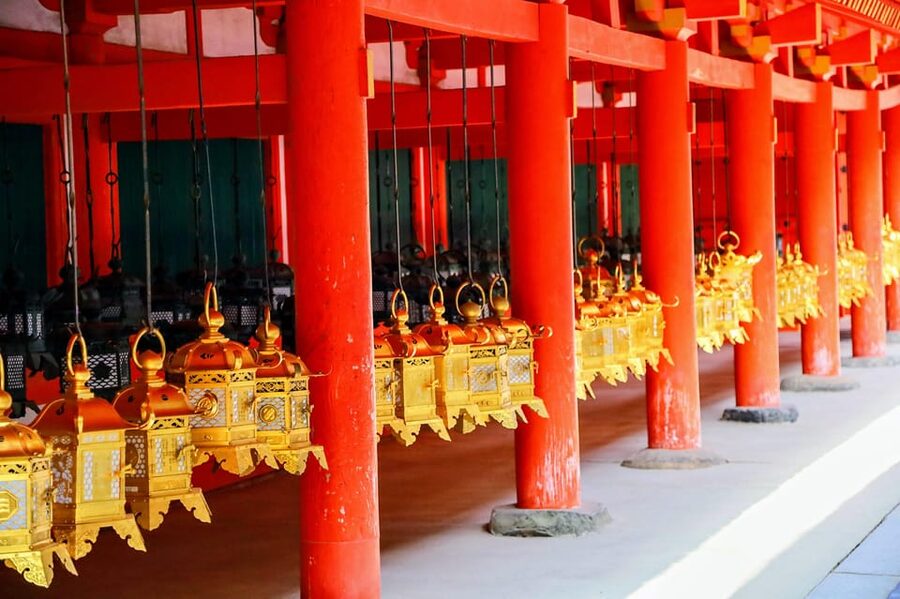
- Walk among Kasuga Taisha’s lanterns: The shrine is known for its thousands of stone lanterns, with about 3,000 cited on the tour.
- Make matcha in Uji: The tea activity is more than a tasting. You prepare the powdered green tea yourself.
- Travel with a guide who helps the day run smoothly: Past guides have included At-chan, Mai, Nanami, Yuta, and Den. Your assigned guide can vary.
- Plan for a long day on your feet: The tour lasts 510 minutes, and includes stairs and hills. It is not suitable for wheelchair users or people with mobility impairments.
A day trip that trades Kyoto’s crowds for Nara and Uji
At $122 per person, this tour is designed for you to see several landmark sites without organizing separate transport, tickets, and a tea activity. The air-conditioned coach takes you from Kyoto to Nara and Uji, while an English-speaking guide keeps the day moving and supplies the historical and cultural context that can be hard to pick up from signs alone.
The route takes in Todaiji Temple, Kasuga Taisha Shrine, Nara Park, and Byodoin Temple, all associated with the UNESCO-listed historic monuments of ancient Nara and Kyoto. The day ends with matcha-making in Uji, where green tea is part of the area’s identity, not just a souvenir-shop flavor.
That range is the tour’s real strength. You get religious architecture, a close encounter with deer, time in a smaller tea town, and an activity that invites you to take part rather than simply look. The trade-off is that you see each place within a set window. If you want to linger for hours at one temple or wander at your own pace, an independent visit may suit you better.
More Nara trips in Kyoto:
- World Heritage Kyoto & Nara Uji Authentic Matcha Experience
★ 5.0 · 1,573 reviews - Kyoto/Osaka: Nara, Fushimi Inari Taisha, Arashiyama Bus Tour
★ 4.7 · 1,275 reviews - Nara Half Day Trip Walking Tour (Private Option Available)
★ 5.0 · 937 reviews
Setting off from Kyoto Station
The meeting point is in front of Tully’s Coffee at the Kyoto Avanti Store, near Kyoto Station. Check-in is at 7:50 a.m., with an 8 a.m. departure. Look for the green and white Japan Panoramic Tours flag. The tour does not provide hotel pickup, so you need to make your own way there and arrive on time. Latecomers and no-shows do not receive a refund or a schedule change.
A coach is a practical way to link Nara and Uji in one day, especially if you would rather not coordinate local trains and buses between several stops. The vehicle is air-conditioned, has free Wi-Fi, and is regularly ventilated. The ride also gives your guide time to explain the day’s sites and share useful cultural context.
English commentary is provided by the live guide. Audio headsets are available in Spanish, French, Italian, German, Portuguese, and Ukrainian. The route may run in a different order depending on traffic, weather, or operations, so treat the schedule as a guide rather than a promise of exact sequencing.
Kasuga Taisha and the paths of stone lanterns
Kasuga Taisha is known for its roughly 3,000 stone lanterns, which give the shrine grounds a distinctive look. The tour allows about 30 minutes here. That is enough to see the main setting and take in the atmosphere, but it is not a long, unhurried visit.
The shrine is part of what makes this day more varied than a single-temple excursion. Its lanterns and wooded setting offer a different feel from Todaiji’s vast hall and enormous Buddha. Your guide can help explain the role of the shrine and the customs you encounter, while you have time to look around for yourself.
The itinerary’s order may place Kasuga Taisha before Nara Park and Todaiji, though the tour description also lays out a different order. Be ready to follow the guide’s directions on the day rather than expecting a fixed sequence.
Nara Park, with deer that know the snack routine
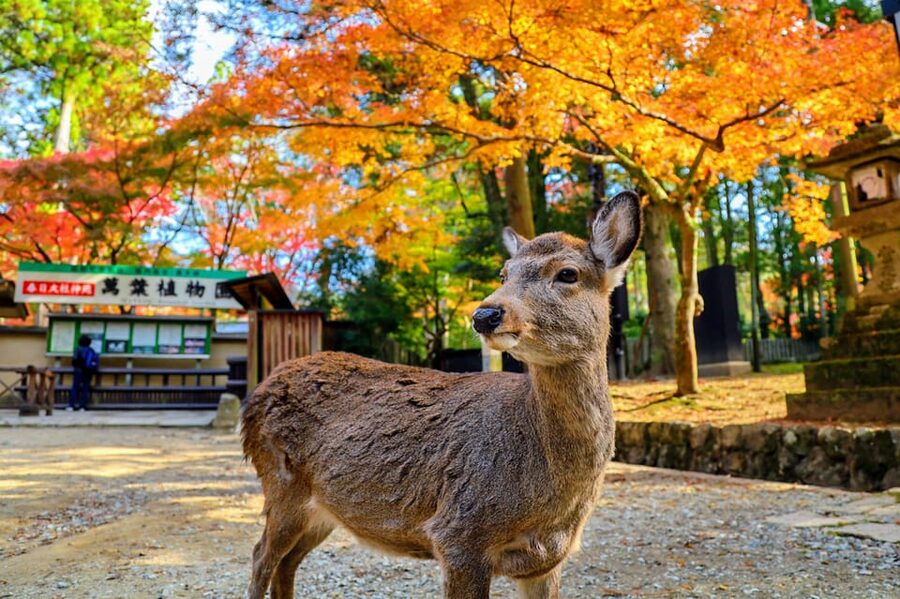
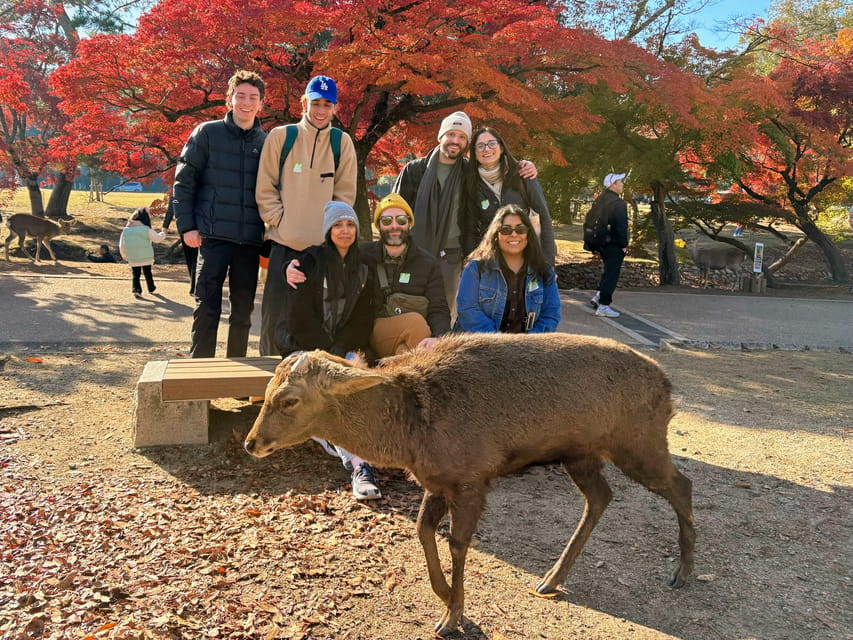
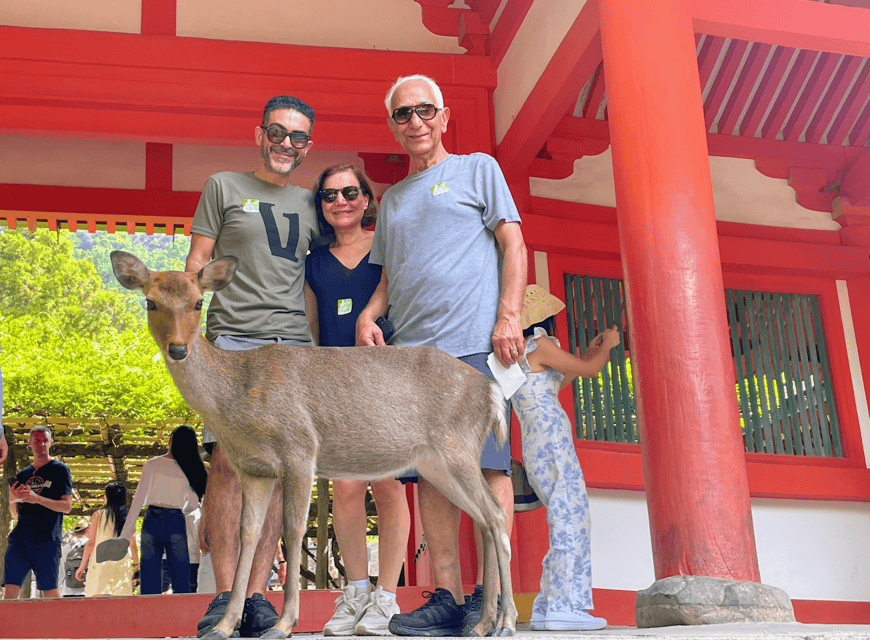
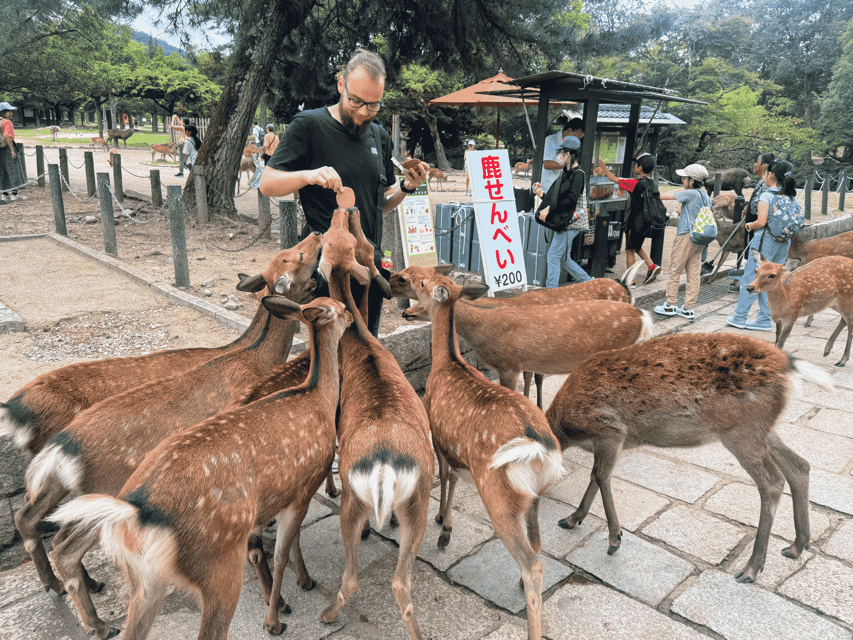
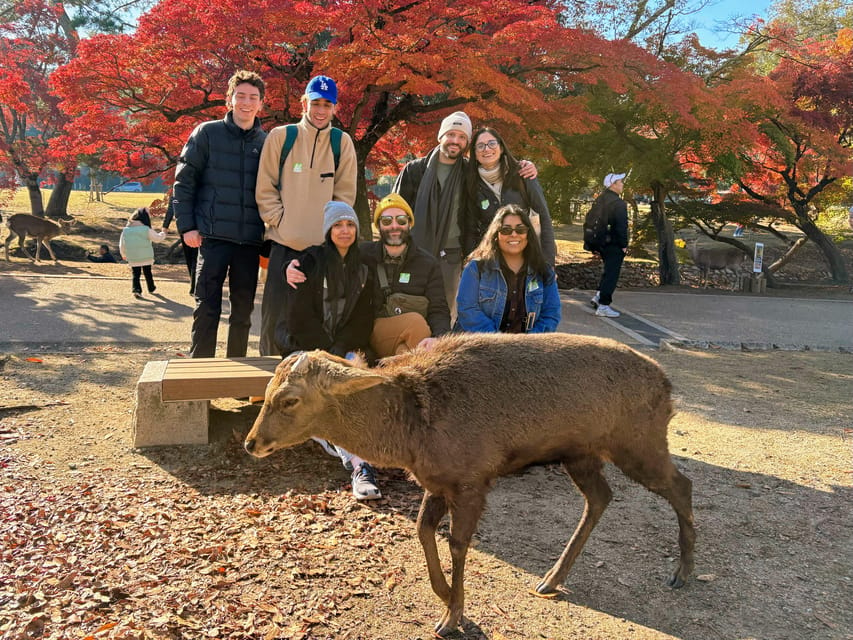
Nara Park is one of the day’s most memorable stops, particularly if you have never been close to free-roaming deer. You’ll have about 30 minutes to walk through the park and see the animals. Rice crackers are sold at roadside stalls and along routes toward the shrines, so you can feed them if you choose.
The deer may bow when asking for a cracker. That is part of the fun, but remember they are wild animals and can be pushy. One guide reportedly warned about the possibility of bites, a useful reminder to hold food carefully and follow your guide’s instructions. Avoid teasing them with snacks or assuming every animal wants to be petted.
Half an hour is a short visit if you want to stroll far through the park, but it is enough to meet the deer and get a feel for the place. If deer are high on your wish list, enjoy the encounter without letting it crowd out the temple and shrine stops.
More tea ceremonies in Kyoto:
- Kyoto: Tea Ceremony in a Traditional Tea House in Kiyomizu
★ 4.9 · 3,519 reviews - Kyoto: Tea Ceremony Ju-An at Jotokuji Temple
★ 4.9 · 3,207 reviews - Kyoto: 45-Minute Tea Ceremony Lesson Experience
★ 4.3 · 2,378 reviews - Kyoto: Table-Style Tea Ceremony at a Kyo-Machiya
★ 4.9 · 1,211 reviews
Todaiji and the Great Buddha
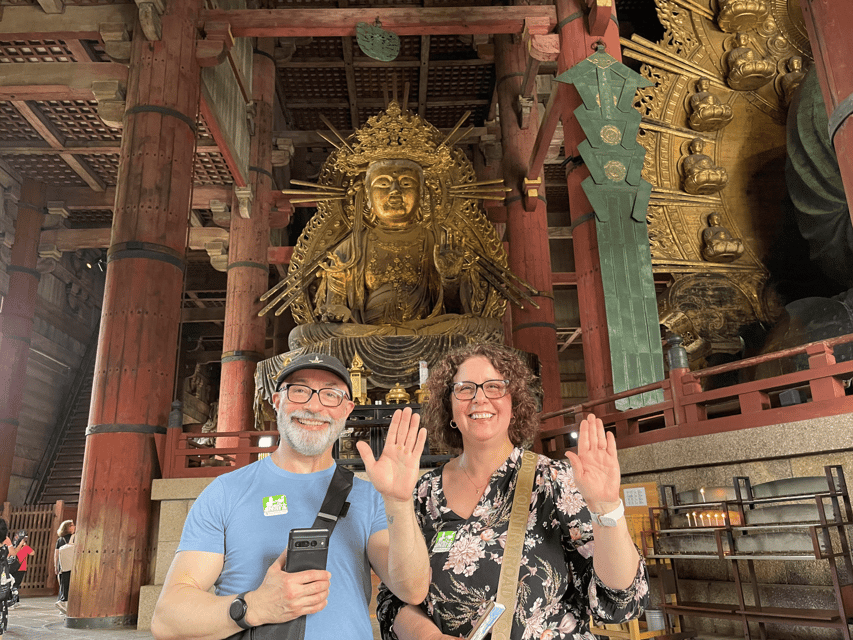
Todaiji is the day’s architectural heavyweight. Its Daibutsuden, or Great Buddha Hall, houses the Great Buddha of Nara and is one of the world’s largest wooden buildings. The scale is the point: the hall and statue make a striking impression even if you have already visited several temples in Japan.
Admission to Todaiji is included, which helps simplify the visit and adds value to the tour price. You have about 50 minutes at the temple, giving you time to enter the hall, see the Buddha, and explore nearby areas at a steady pace. The stop is not meant to cover every corner of the larger complex.
Your guide can make the visit more meaningful by explaining the site’s history and customs. Past guides have also used bus time for practical cultural lessons, including basic Japanese words and how to count. At-chan, Mai, Nanami, Yuta, and Den are among the guides who have led this tour, but you cannot select a particular person when booking.
Lunch, with an optional Japanese meal
After Nara, the coach heads toward Uji, with about an hour on the road and a 50-minute lunch stop. A Japanese lunch is included only if you select the lunch option. If you do not, you will need to pay for your own food and drinks.
The meal option can be convenient on a day with several stops and little room to search for a restaurant independently. One past tour meal was described as a traditional Japanese lunch, but the exact menu is not specified, so do not book it assuming a particular dish or dietary accommodation.
Vegetarian arrangements can be requested up to two days before the tour. Last-minute bookings receive the regular meal, so give the operator advance notice if you need a vegetarian option. Additional food and drinks are not included.
Byodoin Temple, the Uji landmark on the 10-yen coin
Byodoin is a UNESCO-listed part of the Historic Monuments of Ancient Kyoto and is especially famous for its Phoenix Hall. The hall is depicted on Japan’s 10-yen coin, a small detail that makes the building easy to recognize and gives you a good reason to keep a coin handy for comparison.
The tour allows about an hour here, and admission is included. That gives you more time than the Nara Park stop to appreciate the temple and its grounds, though the visit still follows the group schedule. If you enjoy spotting familiar images in everyday Japanese life, the coin connection adds a playful layer to the sightseeing.
Byodoin also sets up the next part of the day well. After the formal temple visit, you move into Uji’s tea culture, shifting from looking at historic places to trying a craft associated with the region.
Making matcha in Uji
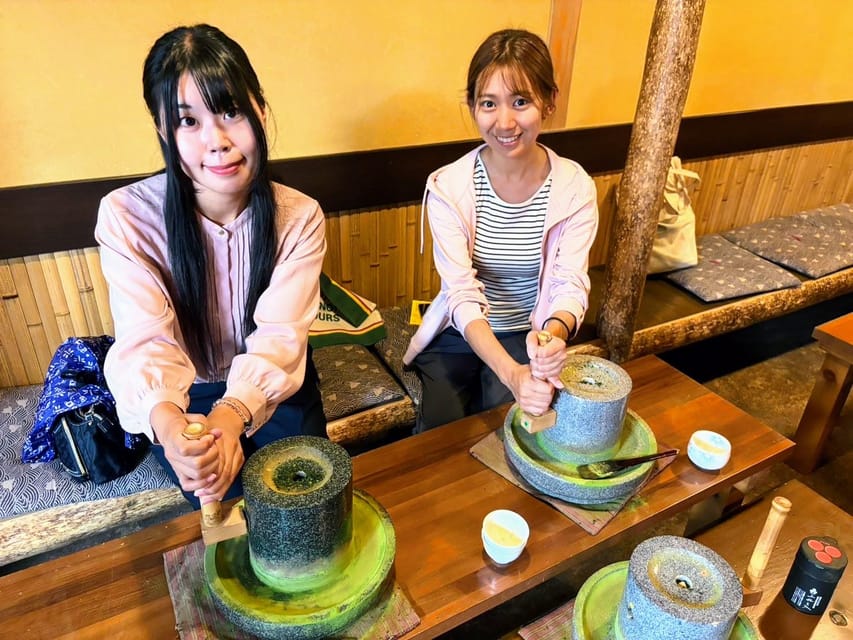
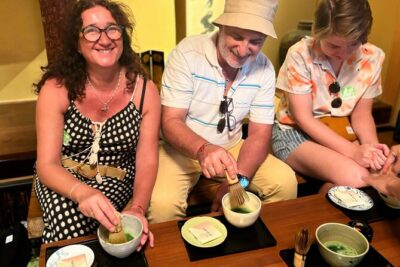
Uji is strongly associated with matcha, finely ground green tea leaves used for tea and in sweets and cooking. During the matcha experience, you make the tea yourself rather than simply being handed a prepared cup. That hands-on element is what gives this stop a different character from a standard temple visit.
The scheduled time for Uji, including free time and the tea activity, is about 70 minutes. That is a useful balance: you have an organized activity, plus some room to browse local shops, restaurants, and other attractions. A few past guides have helped people use their free time well, including At-chan, who helped a participant find Tsuen tea shop. That sort of help can be useful, but it is not a guaranteed part of every tour.
The matcha-making fee is included. If you enjoy the tea, Uji is also a sensible place to look for matcha to take home, though any purchases are extra. You might find the flavor of freshly prepared matcha more appealing after learning how it is made.
How the schedule and price add up
The tour lasts 510 minutes, or eight and a half hours, and returns to the same Kyoto meeting point. The schedule combines coach rides, temple visits, lunch, free time, and the tea activity. It is a full day, but you avoid the work of arranging transport between Nara and Uji and sorting out admission at two major temples.
At $122 per person, the value depends partly on what you would otherwise pay for. The price includes the coach, English-speaking guide, admission to Todaiji and Byodoin, and the matcha experience. Lunch is included only with the optional meal selection. You also get free Wi-Fi on the bus and access to multilingual audio guides.
This is a good fit if you want an efficient overview and prefer someone else to manage the route. It is less compelling if you want deep, extended time at each site, or if you are comfortable planning your own transport and prefer to travel at your own pace. There is no hotel pickup, and you should bring cash for snacks, purchases, or other expenses not covered by the tour.
Who will enjoy this tour most
I’d consider this a strong choice for first-time visitors who want to see Nara and Uji from Kyoto without building a complicated day trip themselves. It is also well suited to people who value a guide’s explanations and enjoy having a clear plan. Many past guides have combined historical information with practical help, Japanese phrases, and a friendly approach to keeping the group together.
Families may like the deer encounter and the variety of stops, but should keep a close eye on children around the animals. The tour can also work for people travelling with older relatives if they are comfortable walking and using stairs, but it is not suitable for wheelchair users or people with mobility impairments.
Bring comfortable shoes and water. You will walk up stairs and hills, and the day is long enough that footwear and hydration matter. Pets are not allowed. Free cancellation is available up to 24 hours in advance, and the reserve-now, pay-later option can help if you want to hold a place while keeping plans flexible.
Should you book it?
Book this tour if you want to pair Nara’s landmark temples and deer with Uji’s tea culture in one organized day. The mix of included temple admission, coach transport, a hands-on matcha activity, and an English-speaking guide makes the $122 price reasonable for someone who values convenience and context.
Skip it if you want a slow, independent visit or need step-free access. And if you book, arrive early at the Kyoto Avanti meeting point, bring water and cash, and treat the deer as wild animals with excellent snack radar.
FAQ
How long is the tour?
The tour lasts 510 minutes, or about eight and a half hours. It starts and finishes at the Tully’s Coffee Kyoto Avanti Store meeting point.
Where is the meeting point?
Meet in front of Tully’s Coffee at the Kyoto Avanti Store, 31 Higashikujo Nishisannocho, Minami Ward, Kyoto. Check-in is at 7:50 a.m. for an 8 a.m. departure.
What should I look for at the meeting point?
Look for the green and white Japan Panoramic Tours flag in front of the coffee shop.
Is lunch included in the price?
Japanese lunch is included only if you select the lunch option. If you do not select it, your meal and drinks are extra.
Can I request a vegetarian meal?
Vegetarian meal arrangements can be made up to two days before the tour. Last-minute bookings receive the regular meal.
Which admissions and activities are included?
Admission to Todaiji Temple and Byodoin Temple is included, as is the matcha-making experience in Uji.
What languages are available?
The live tour guide speaks English. Audio headsets are available in Spanish, French, Italian, German, Portuguese, and Ukrainian.
Is hotel pickup provided?
No. You need to make your own way to the meeting point, and hotel pickup and drop-off are not included.
Is the tour suitable for wheelchair users?
No. The tour is not suitable for wheelchair users or people with mobility impairments. It includes walking up stairs and hills.
Can I cancel for a refund?
You can cancel up to 24 hours before the activity for a full refund.
More bus tours in Kyoto
- PERFECT KYOTO 1-Day Bus Tour
★ 5.0 · 13,518 reviews - Kyoto: Fushimi Inari, Kinkakuji, Bamboo Grove 1 Day Bus Tour
★ 4.8 · 4,316 reviews - Kyoto: Hop-on Hop-off Sightseeing Bus Ticket
★ 3.9 · 2,034 reviews - From Kyoto: Nara History Guided Half Day Bus Tour with Lunch
★ 4.8 · 114 reviews
Newly added in Kyoto
- Uji: Private immersion into Kyoto’s tea and reglious culture★ 5.0 · 17 reviews
- Whisk Your Own Matcha: A Zen Matcha Experience at Temple★ 3.6 · 7 reviews
- Kyoto tea town for matcha lovers★ 5.0 · 16 reviews
- Treasures of Kyoto: Gion & historical Walking Tour★ 5.0 · 6 reviews
- Kyoto Matcha Green Tea Tour★ 4.5 · 23 reviews
- Uji and Wazuka Matcha Farm Half Day Private Guided Tour★ 5.0 · 21 reviews
- Uji Tea Ceremony and UNESCO Heritage Walking Tour★ 5.0 · 20 reviews
- Utilising upcycled Matcha! Creating matcha incense (Uji, Kyoto)★ 5.0 · 6 reviews
Kyoto Tea Ceremonies, compared.

Tea Ceremony in a Traditional Tea House in Kiyomizu
Read our review →

World Heritage Kyoto & Nara Uji Authentic Matcha Experience
Read our review →
Arashiyama Bamboo Forest, Monkeys, Matcha & Temple Tour
Read our review →
Tea Museum Tickets and Matcha Grinding Experience
Read our review →Browse the lists this tour appears in