
Reviewed · KYOTO TEA CEREMONIES
Kyoto: Nighttime Zen Meditation and Matcha Tea Experience
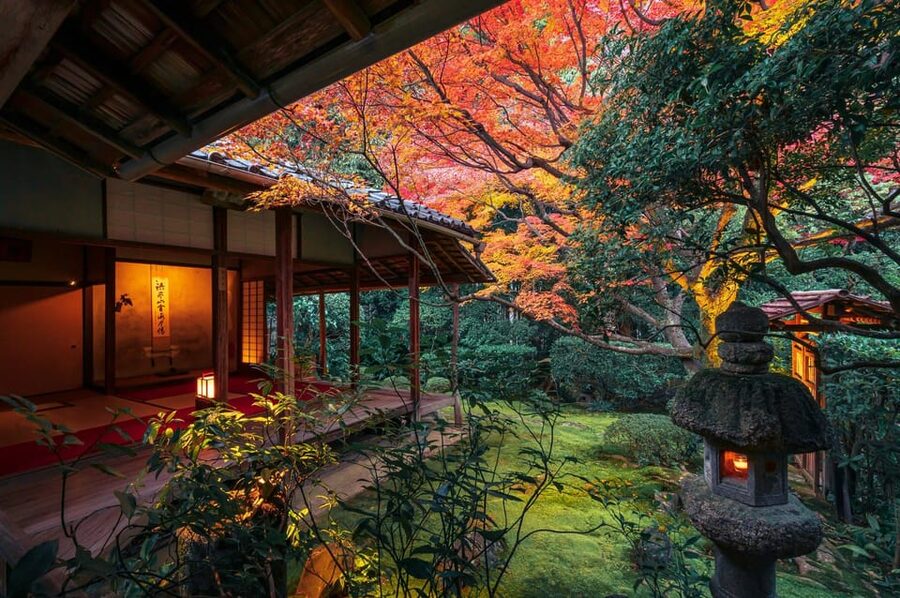
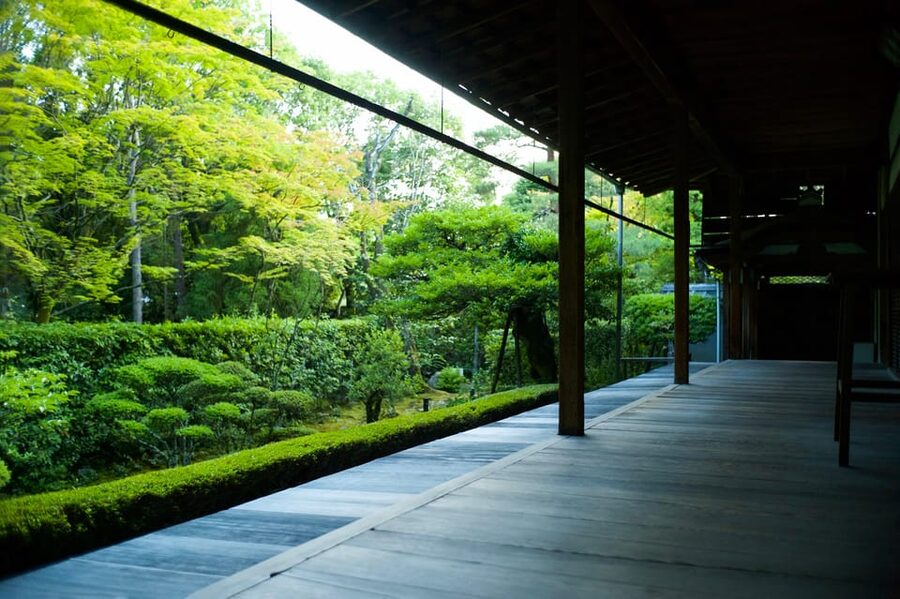
Keishunin after dark offers a quieter side of Kyoto: four historic gardens lit for an evening visit, followed by zazen meditation and matcha in a temple setting. You’ll also see the secluded Sehakuan tea room and sliding-door paintings by Kano Sansetsu.
I like the mix of gardens and art with a chance to sit in meditation, rather than spend the whole visit listening to facts on the move. I also like that Deputy Chief Priest Yasumasa Arashima leads the meditation and tea, giving those parts a direct connection to temple life.
The main consideration is the price: $206 per person for 90 minutes is a substantial spend for a short activity, and transport to the meeting place is not included. This is best for you if the intimate, guided setting matters more than getting a long list of sights for your money.
- Four temple gardens glow after dark: The gardens are designated historical sites and scenic spots, and evening lighting gives you a different view from a daytime visit.
- The Sehakuan tea room adds a quieter cultural stop: You’ll see a room described as hidden, within a sub-temple of Myoshinji.
- Kano Sansetsu’s fusuma paintings are part of the tour: These painted sliding doors bring art into the temple setting, not just a gallery visit.
- Zazen is guided by Deputy Chief Priest Yasumasa Arashima: You’ll have a chance to try seated Zen meditation, with explanations and guidance.
- Matcha comes with a traditional Japanese sweet: Tea and a sweet provide a calm, simple finish to the visit.
- It is private and offered in English or Chinese: A private group can make the quiet setting easier to appreciate, though the per-person price is high.
Keishunin’s gardens take on a different mood at night
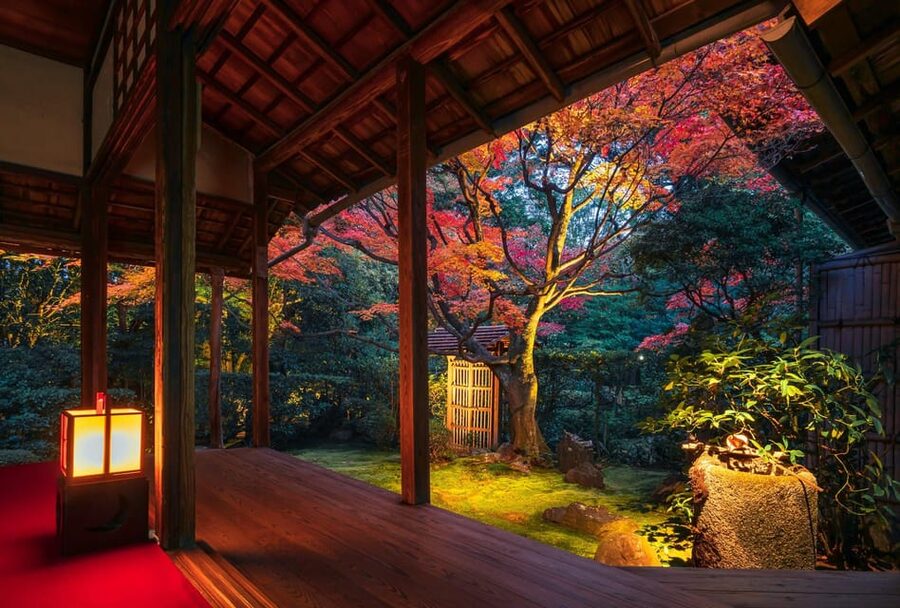
The visit begins at Keishunin, a sub-temple of Myoshinji Temple in Kyoto. Rather than joining a large daytime crowd, you meet a guide for a scheduled evening visit. The four gardens are the central draw, and their status as designated historical sites and scenic spots gives the walk more weight than a quick look at attractive grounds.
The lighting is meant to make the gardens visible after dark, not to turn them into a theatrical show. Expect a slower look at the grounds, with a guide explaining their place in Keishunin’s history and culture. That context matters: without it, a garden can be beautiful but hard to read. With it, you have a better sense of why the spaces are preserved and what to notice.
Evening quiet is part of the appeal. You can focus on the gardens without trying to fit them into a packed daytime sightseeing schedule. But this is a short, guided visit, not an open-ended stroll. If you like lingering alone in gardens or taking many photographs, you may need to keep your expectations in check.
The experience is also weather- and season-sensitive in a practical way. You’ll be outside for at least part of the visit, so bring warm clothing, especially if you are visiting in cooler months. Comfortable clothes are recommended, and flash photography is not allowed.
The tea room and paintings give the visit its cultural depth
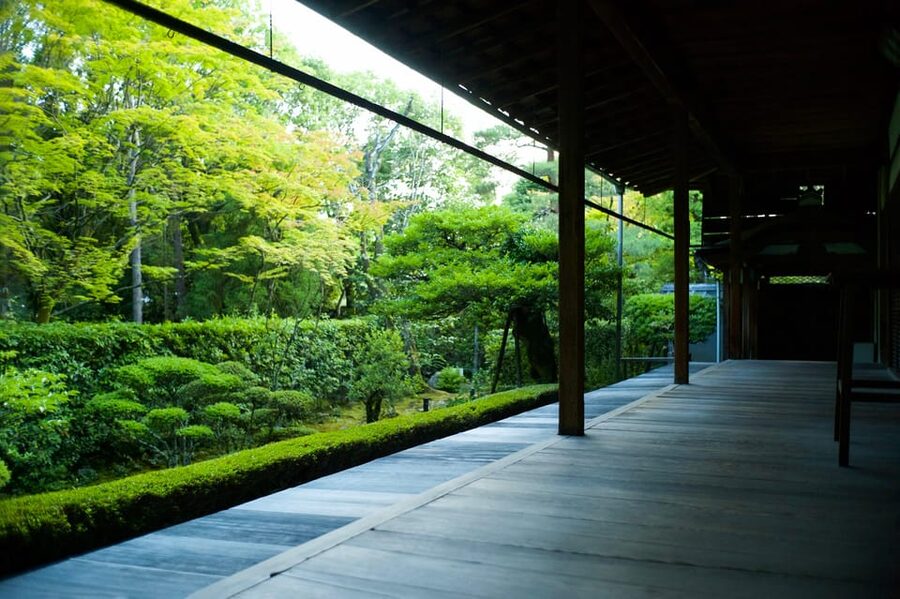
After the garden walk, the tour includes Sehakuan, a tea room described as hidden, and fusuma paintings by Kano Sansetsu. A fusuma is a sliding panel used to divide rooms, so these paintings are part of the architecture rather than pictures hung on a wall. Seeing them in their temple setting helps you understand how art, rooms and daily practice can meet in one place.
The tea room adds another layer to the visit. It is not just a photo stop: it gives the guide a place to explain Keishunin’s culture and the role of tea. The tour’s 90-minute limit means the visit is likely to move at a measured pace, but you should not expect a long, detailed art lecture on every painting or a full history of the temple.
The English- and Chinese-language guiding is useful here. Art and temple customs can be difficult to interpret from visual details alone, and a guide helps connect what you see to the place. Past participants have appreciated clear translation during the meditation portion, which is especially helpful if the person leading a practice is speaking in another language.
More tea ceremonies in Kyoto:
- Kyoto: Tea Ceremony in a Traditional Tea House in Kiyomizu
★ 4.9 · 3,519 reviews - Kyoto: Tea Ceremony Ju-An at Jotokuji Temple
★ 4.9 · 3,207 reviews - Kyoto: 45-Minute Tea Ceremony Lesson Experience
★ 4.3 · 2,378 reviews
Zazen is an invitation to try, not a test
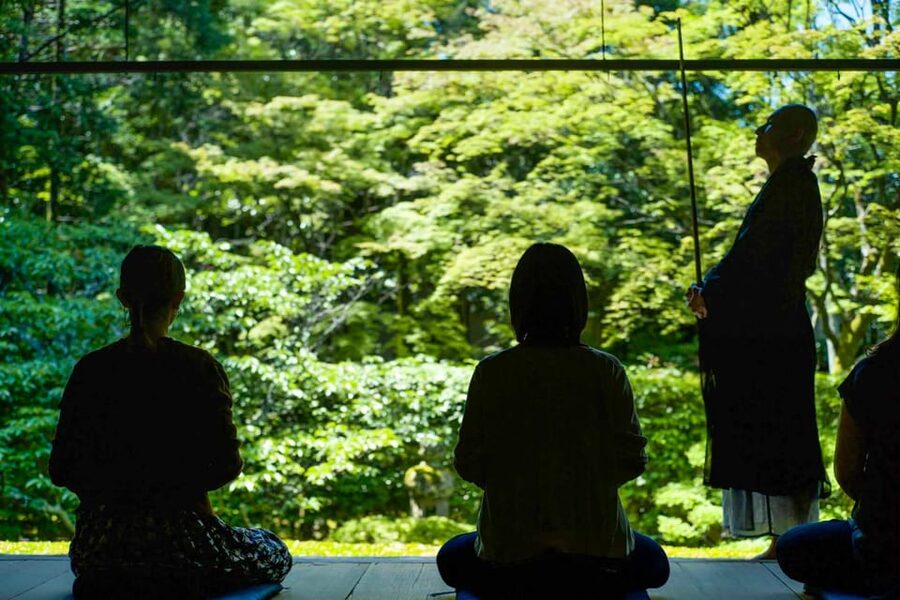
The meditation is led by Deputy Chief Priest Yasumasa Arashima. You are there to try zazen, or seated Zen meditation, with guidance, not to prove that you can sit perfectly still or clear your mind on command. If meditation is new to you, that distinction can help make the activity feel approachable.
The experience is described as a chance to refresh your mind and body. Treat that as an intention, not a guaranteed result. Some people may find the quiet settling; others may simply find it interesting to learn how the practice is approached in a temple. The useful part is having a practitioner guide the session and explain its customs rather than attempting it alone from a book or phone.
One especially interesting detail is the custom, discussed during the meditation, for a practitioner who grows tired and needs a reminder to continue. You may find that this opens a conversation about discipline and attention, rather than meditation as a purely relaxing exercise. If you are curious, ask your guide how the practice works. The available details do not specify exactly how the reminder is given, so don’t assume you will be asked to participate in a particular way.
You should also be prepared for a quiet, respectful atmosphere. Smoking is prohibited, and flash photography is not allowed. The activity is not suitable for wheelchair users, and the temple experience may not be a good fit if sitting or remaining still is uncomfortable for you.
Matcha and a sweet make a simple, fitting finish
After meditation, you’ll have matcha and a traditional Japanese sweet, served as part of the experience by Arashima. This is a modest tasting, not a meal, so plan dinner separately. Its value is in the setting and the pause: you can share tea after the meditation and take a little time to reflect before leaving.
Tea also brings the visit’s different parts together. The gardens, tea room, paintings and meditation are not separate attractions in the usual sightseeing sense. They offer glimpses of how a temple setting supports art, quiet practice and hospitality. The sweet gives you a taste of Japanese food culture without turning the evening into a food tour.
This closing moment may be the most personal part of the experience. One participant described having a brief conversation after tea to exchange impressions, and the format allows for that kind of quiet exchange. Still, the tour is only 90 minutes, and the length of any discussion is not specified. Go in expecting a short cultural tasting, not a long tea ceremony.
The $206 price makes sense for a particular kind of evening
At $206 per person, this is not a budget temple visit. You are paying for a private group experience, a special nighttime visit, a guided look at four designated gardens, access to the tea room and paintings, a meditation led by the deputy chief priest, plus matcha and a sweet. If you value access and context over a low cost per minute, the package has a clear case.
The private-group format is especially useful for a quiet activity. You are not joining a large public group, and you can focus on the guide’s explanations without competing with a crowd. English and Chinese are available, which makes the experience more accessible for visitors who want to understand what they are seeing and doing.
Still, value depends on your priorities. If you want a full evening of entertainment or a lengthy temple tour, 90 minutes may feel short for the price. If you are already visiting Kyoto’s temples and gardens independently, you may not need another guided visit. But if a quiet setting, guided meditation and a meeting with a temple priest are the point, this offers a more focused experience than simply walking through the grounds.
Transport to and from the meeting place is not included, and personal expenses are extra. The exact starting times depend on availability, so build the visit into your evening plans rather than assuming it fits any time you choose. Reservations are required, and the activity does not run during Obon or New Year holidays.
More zen and meditation sessions in Kyoto:
- Kyoto Zen Meditation & Garden Tour at a Zen Temple with Lunch
★ 5.0 · 441 reviews - Kyoto: Zen Experience in a Hidden Temple
★ 5.0 · 437 reviews - Kyoto: Tea Ceremony Meditation – Make Matcha with Tea Master
★ 4.8 · 406 reviews - Kyoto: Zen Meditation at a Private Temple with a Monk
★ 5.0 · 202 reviews
Who will appreciate this nighttime temple visit
I’d put this experience high on the list for you if you’re curious about Zen practice, want a guided look at a temple after dark, or prefer a calm activity to another busy evening attraction. It can also suit you if you enjoy traditional art and want to see fusuma paintings in their architectural setting. The private group and language options help keep the experience personal and understandable.
It is less suitable if you need step-free access, want a long meditation session, or are looking for a low-cost activity. The age information needs a little care: the experience is described as suitable for primary school students and above, but it is also marked as not suitable for children under 12. Each participant below junior-high-school age must be accompanied by a parent or guardian, so confirm the age rule before booking for a child.
Book it if you want an intimate, guided encounter with Kyoto’s temple culture, not just another garden visit. The combination of illuminated grounds, the tea room, Kano Sansetsu’s paintings, meditation and matcha gives the short evening a distinct shape. Skip it if you would rather spend $206 on a longer activity, or if quiet, reflective experiences are not your idea of a good night out.
FAQ
How long is the experience?
The experience lasts 90 minutes.
Where does the tour take place?
It takes place at Keishunin Temple, a sub-temple of Myoshinji Temple in Kyoto, on Honshu, Japan.
What is included in the price?
The experience includes a special night visit, a tour of four gardens, a visit to the Sehakuan tea room, viewing of Kano Sansetsu’s fusuma paintings, a zazen meditation, matcha tea and a Japanese sweet.
Which languages are available?
A live guide is available in English or Chinese.
Is this a private tour?
Yes. The group type is private.
Who leads the meditation and tea?
Deputy Chief Priest Yasumasa Arashima leads the zazen meditation and serves the matcha and Japanese sweet.
Is the experience suitable for children?
The age information says primary school students and above are welcome, but also lists children under 12 as unsuitable. Each guest below junior-high-school age must be accompanied by a parent or guardian. Confirm the age requirement before booking for a child.
What should I bring, and what is not allowed?
Bring warm, comfortable clothing. Smoking and flash photography are not allowed.
Newly added in Kyoto
- Uji: Private immersion into Kyoto’s tea and reglious culture★ 5.0 · 17 reviews
- Whisk Your Own Matcha: A Zen Matcha Experience at Temple★ 3.6 · 7 reviews
- Kyoto tea town for matcha lovers★ 5.0 · 16 reviews
- Treasures of Kyoto: Gion & historical Walking Tour★ 5.0 · 6 reviews
- Uji and Wazuka Matcha Farm Half Day Private Guided Tour★ 5.0 · 21 reviews
- Kyoto Matcha Green Tea Tour★ 4.5 · 23 reviews
- Uji Tea Ceremony and UNESCO Heritage Walking Tour★ 5.0 · 20 reviews
- Utilising upcycled Matcha! Creating matcha incense (Uji, Kyoto)★ 5.0 · 6 reviews
Kyoto Tea Ceremonies, compared.

Tea Ceremony in a Traditional Tea House in Kiyomizu
Read our review →

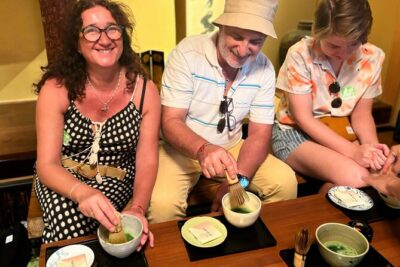
World Heritage Kyoto & Nara Uji Authentic Matcha Experience
Read our review →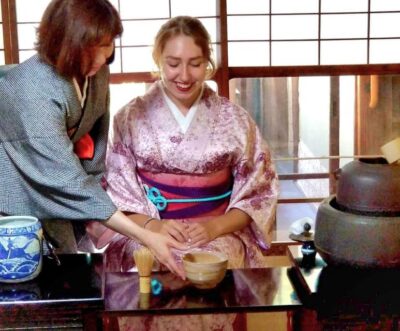
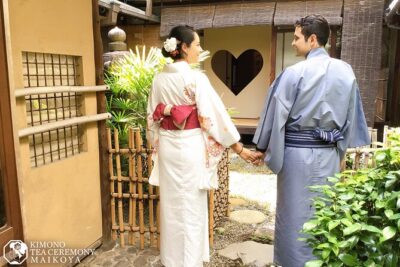
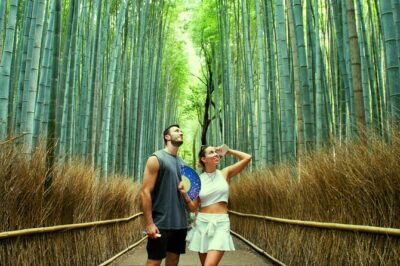
Arashiyama Bamboo Forest, Monkeys, Matcha & Temple Tour
Read our review →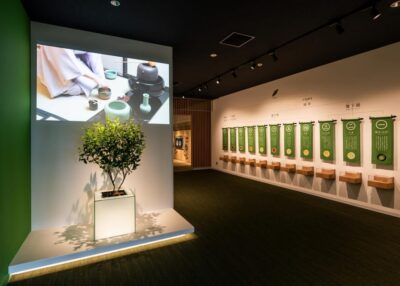
Tea Museum Tickets and Matcha Grinding Experience
Read our review →Browse the lists this tour appears in