
Reviewed · KYOTO TEMPLE & SHRINE TOURS
Nara: Essential Private Tour with Deer Park and Temples
Nara packs centuries of Japanese history into a compact city visit, and this private three-hour tour links its major temples with the famous deer of Nara Park. You start at Kintetsu Nara Station and finish there, with time at Kōfuku-ji, Tōdai-ji, and a garden along the way.
I like two things in particular: a private guide can shape the pace around your questions, and the route mixes landmark temples with open parkland and a garden. Guide Masa is repeatedly praised for clear explanations, patience, and practical help, including advice on interacting with the deer.
The main consideration is time. Six stops in three hours leaves room for an overview, not a slow visit to every site, and the tour is not suitable for wheelchair users, pregnant women, or people with animal allergies.
What makes this Nara route useful
- The route begins and ends at Kintetsu Nara Station, so you have a clear meeting point and no hotel pickup to arrange.
- Nara Park brings the deer into the day. Masa has helped visitors learn how to feed and approach them without being swarmed.
- Tōdai-ji gets the largest time block, one hour, giving you more breathing room at a major temple.
- Admission to temples and parks is included, which makes the $126 per person price easier to assess.
- Masa’s strengths are more than historical facts: he has helped with navigation, shop translation, and finding an ATM when needed.
A compact introduction to Japan’s first capital
Nara is presented here as Japan’s first permanent capital, and the tour gives you a guided path through some of its best-known cultural sights. The appeal is the contrast: temple grounds and historic buildings, the green space of Nara Park, and the deer that wander through it.
A guide can help tie the stops together instead of leaving you to move from one landmark to the next with only a map. Masa’s explanations have covered temple history and the statues inside, while his friendly manner makes it easier to ask questions as you go. If you want context but prefer not to spend a full day on a guided visit, three hours is a practical introduction.
This is a private group tour, so the guide is not splitting attention among unrelated parties. That matters in a place where you may want to pause for a question, take a photograph, or adjust your pace around the deer. The available information does not specify a maximum group size, so confirm the booking details if you need to know exactly how many people can join.
More Nara trips in Nara:
- World Heritage Kyoto & Nara Uji Authentic Matcha Experience
★ 5.0 · 1,573 reviews - Kyoto/Osaka: Nara, Fushimi Inari Taisha, Arashiyama Bus Tour
★ 4.7 · 1,275 reviews - Nara Half Day Trip Walking Tour (Private Option Available)
★ 5.0 · 937 reviews
Starting at Kintetsu Nara Station
The meeting point is at Kintetsu Nara Station. After leaving through the East Gate, head toward Exit 3. Go up the stairs or the escalator beside them, then look for the tourist information center. Your guide will wait nearby holding a sign with the Get Your Guide logo.
That is a useful level of detail in a busy station area, especially if this is your first visit. The tour ends back at the same station, which gives you a straightforward place to continue your day from. Hotel pickup and drop-off are not included, so plan your own route to and from the meeting point.
Higashimuki Shopping Street: a quick city-side start
The first stop is Higashimuki Shopping Street, with about 20 minutes of guided time. It offers a change of scene from the temples and park, and a chance to get oriented in the city before moving on to the main sights.
Treat this as a short introduction rather than a dedicated shopping visit. If you want time to browse or buy something, ask your guide how the schedule is shaping up. Personal expenses, including souvenirs and drinks, are not part of the tour price.
Kōfuku-ji: time to ask questions
You spend about 30 minutes at Kōfuku-ji. That is enough for a guided overview and a closer look at the site, but it is not a long, unhurried visit. Your guide can make this stop more rewarding by explaining what you are seeing and answering questions as they come up.
Masa has been praised for explaining temple history and the statues within temples in detail. If you are especially interested in art, religious objects, or the background to the buildings, make that clear early so the guide knows where you would like to spend attention. Admission to temples and parks is included, though the supplied information does not itemize every possible fee or optional expense.
More private and custom tours in Nara:
- Kyoto/Osaka: Kyoto and Nara Customized Private Guided Tour
★ 4.6 · 258 reviews - Nara 6hr Private Tour with Government-Licensed Guide
★ 5.0 · 219 reviews - Nara 8hr Private Tour – Kyoto DEP. with Licensed Guide
★ 5.0 · 115 reviews - Private Tour Kyoto-Nara w/Hotel Pick Up & Drop off from Kyoto
★ 4.5 · 77 reviews
Nara Park: deer, space, and a little care
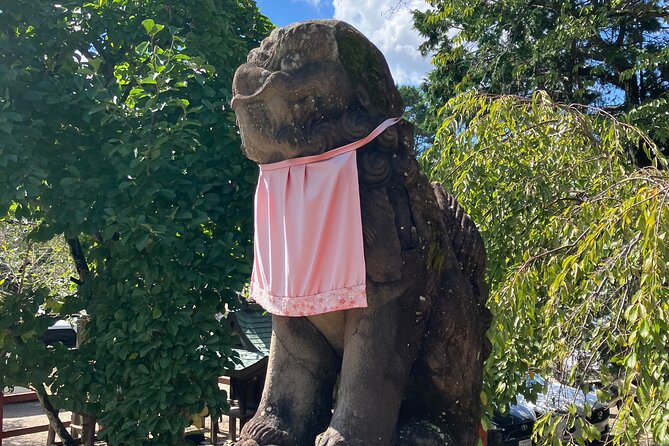
The tour allows about 30 minutes in Nara Park, where the deer are a major part of the experience. Their presence makes this more than a temple-to-temple walk, but they are wildlife, not props. Keep your attention on what is happening around you, and follow your guide’s advice if you choose to feed or approach them.
Masa has helped visitors understand how to feed the deer without getting swarmed. That is a practical detail worth having, since the animals can close in quickly when food is involved. The tour does not say that deer food is included, and personal expenses are excluded, so do not assume you will receive anything to feed them.
The tour is not suitable for people with animal allergies. If deer make you uneasy, Nara Park may be less enjoyable than the temple stops, though you can discuss your comfort with the guide.
Himuro Shrine: a quieter pause
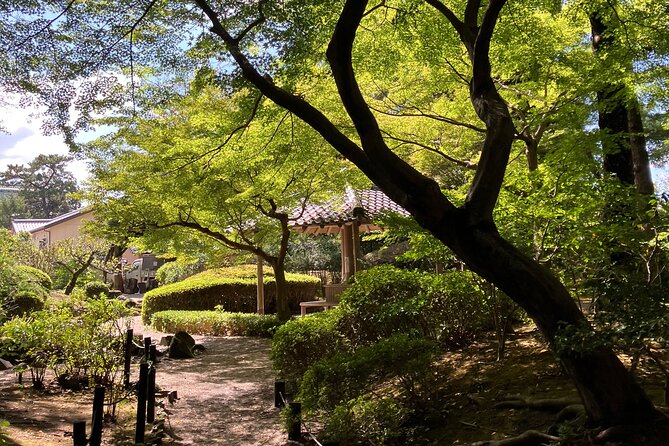
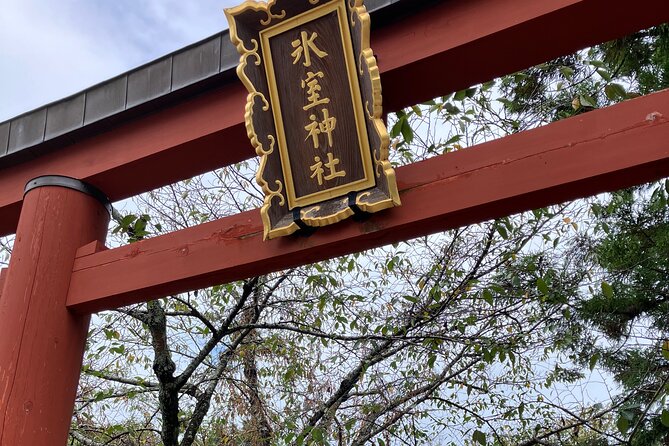
Himuro Shrine has a 20-minute guided visit. Its place between Nara Park and Tōdai-ji gives the route a quieter stop before the day’s longest temple visit. Your guide can provide context and help you notice what makes the shrine worth a pause.
Twenty minutes is brief, so think of this as an introduction rather than time for a long, independent exploration. The value comes from having someone explain the place while you are there, rather than trying to work out its significance on your own.
Tōdai-ji: the longest stop
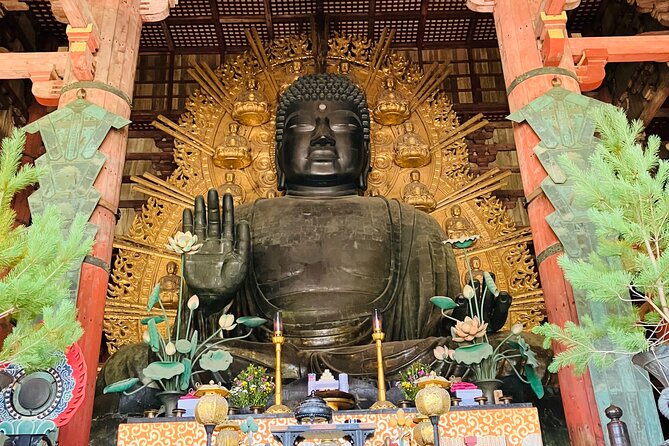
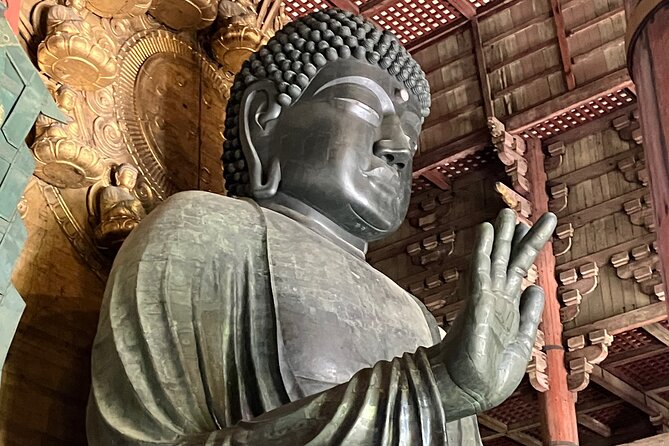
Tōdai-ji receives one hour, the longest single visit on the route. That extra time makes sense at a major temple where there is more to take in than a quick look from outside. Your guide can give background on the temple and its statues, then answer questions as you explore.
The hour still has limits. If you like to linger, take photographs, or read every sign, you may want more time than the schedule allows. Flash photography is not allowed, so keep your camera ready for non-flash shots and follow any posted rules at the site.
For many visitors, this is the central cultural stop of the tour. The guide’s explanations can turn a striking building or statue into something easier to understand, and a private format gives you room to ask about the details that interest you most.
Yoshikien Garden: a gentler finish
The final stop is Yoshikien Garden, with around 20 minutes of guided time before you return to Kintetsu Nara Station. After temples and deer, a garden offers a change in pace and a quieter ending to the route.
This is a short visit, so it may feel more like a closing glimpse than a long garden stroll. If gardens are a priority for you, ask whether there is flexibility in the timing. The route is scheduled to return to the station, and the full tour lasts three hours.
How the private guide adds value
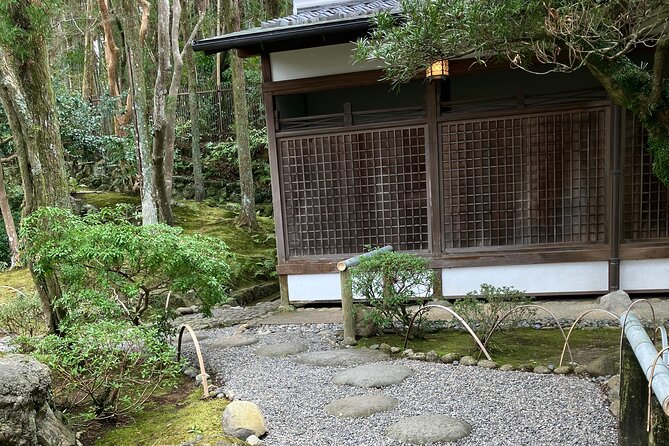
The most consistent strength of the experience is the guide. Masa is described as patient, friendly, well prepared, and clear in English. He has helped visitors navigate the area, translated at shops, assisted with finding an ATM, and offered practical support such as carrying an extra umbrella for a guest.
Those details matter because a good guide does more than deliver a history talk. In a short visit, help with directions and small practical questions can save time and lower the stress of moving between sights. One guest also appreciated being taken to a good soba restaurant, though a meal is not listed as part of the tour, so treat that as a possible recommendation rather than an included stop.
The published tour language is English. One guest described receiving materials translated into Korean, but that does not guarantee translation into other languages for every booking. If you need a language other than English, ask before reserving.
Is $126 per person good value?
At $126 per person for three hours, this is not the cheapest way to see Nara. It is a private guided visit, however, and admission to temples and parks is included. You are paying for personal attention, explanations, and help navigating the route, not just transport between attractions.
The value improves if you want a structured introduction and have questions about the temples, statues, or deer. The guide’s practical help, including navigation and local assistance, can be useful if you are unfamiliar with the area. If you are comfortable exploring independently and prefer to spend as long as you like at each site, you may get better value from visiting on your own.
The schedule gives each stop a set amount of time, and all six visits add up to three hours. That is efficient, but the pace will not suit everyone. You can get a broad sense of Nara’s main sights, but the format is not designed for extensive browsing or long pauses.
What to bring and keep in mind
Wear comfortable shoes, since the route includes several stops and time outdoors. A hat and sunscreen are sensible choices, and a camera is welcome as long as you do not use flash photography where it is prohibited.
Smoking is not allowed during the activity. Souvenirs, drinks, and other personal expenses are extra, and guide gratuity is optional. The tour is not suitable for pregnant women or wheelchair users, in addition to people with animal allergies.
You can cancel up to 24 hours in advance for a full refund, and the reserve-now, pay-later option lets you hold a place without paying today. Starting times vary, so check availability for your date.
Who should book this tour?
I would choose this tour if you want a first look at Nara’s main sights with a guide who can explain what you are seeing and help you manage the practical side of the visit. It is especially useful if you like asking questions, want a private experience, or feel unsure about finding your way between attractions.
It is less suited to visitors who need step-free access, want a very slow temple visit, or would rather avoid deer. Families or groups should also consider the fixed three-hour schedule and the fact that the tour is not suitable for pregnant participants.
Should you book?
Book if you value a personal guide and want temples, parkland, deer, and a garden in one compact visit. Masa’s patience, historical explanations, and on-the-ground help are strong reasons to consider it, while the included admission adds to the price’s value.
Skip it if you prefer to explore at your own pace, need wheelchair access, or want more than a brief introduction to each stop. For the right visitor, this is a well-organized way to get oriented in Nara and leave with more than a camera roll.
FAQ
How long does the tour last?
The tour lasts three hours.
Is the tour private?
Yes. It is offered for a private group.
What language is the tour in?
The live tour guide speaks English.
Where does the tour meet?
Meet at Kintetsu Nara Station. Exit through the East Gate and head toward Exit 3. Go up the stairs or the nearby escalator, then look for the tourist information center. The guide waits nearby with a Get Your Guide sign.
Where does the tour end?
It returns to Kintetsu Nara Station.
Are temple and park admissions included?
Yes. Admission to temples and parks is included.
Is hotel pickup included?
No. Hotel pickup and drop-off are not included.
What should I bring?
Bring comfortable shoes, a hat, a camera, and sunscreen.
Can I use flash photography?
No. Flash photography is not allowed.
Who is the tour not suitable for?
It is not suitable for pregnant women, wheelchair users, or people with animal allergies.
More temple and shrine tours in Nara
- Osaka/Kyoto: Arashiyama, Nara & Fushimi Inari Shrine w/Lunch
★ 4.4 · 754 reviews - E-Bike Nara Highlights – Todaiji, Knives, Deer, Shrine
★ 4.8 · 186 reviews - Nara: Great Buddha, Kasuga Shrine & Deer Park Tour
★ 4.8 · 62 reviews - Nara: Bike Tour in Ancient Capital UNESCO World Heritage
★ 5.0 · 43 reviews
Newly added in Nara
- Nara Private Day Trip – Enjoy Your First-Time Visit to Nara!★ 5.0 · 10 reviews
- Relax in Nara: Deer Park, Todai-ji Temple and Merchants’ Town★ 5.0 · 6 reviews
- Nara Todaiji Lazy Bird Walking Tour★ 5.0 · 11 reviews
- Nara: Authentic Onigiri Cooking Class & Meal in a Local Home★ 5.0 · 4 reviews
- Private Nara Tour and Sake Tasting (Departing from Kyoto/Nara)★ 5.0 · 40 reviews
- Nara World Heritage PRIVATE TOUR★ 4.5 · 15 reviews
- Private Journey in Nara’s Historical Wonder★ 5.0 · 3 reviews
- Nara:Private Tea Ceremony(Max 5 ppl) -Master Matcha Making-★ 5.0 · 3 reviews
Kyoto Temple & Shrine Tours, compared.

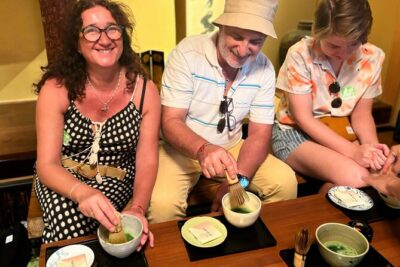
World Heritage Kyoto & Nara Uji Authentic Matcha Experience
Read our review →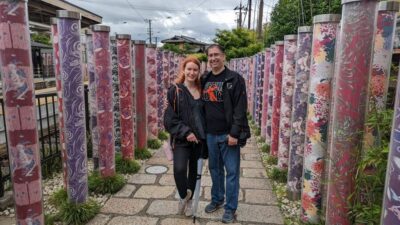
Arashiyama Bamboo, Temple, Monkeys, or Secret Sake Brewery
Read our review →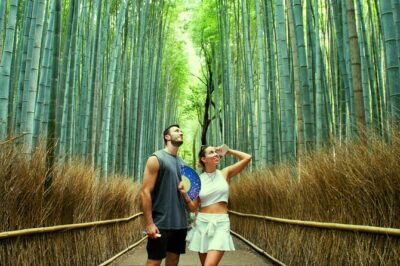
Arashiyama Bamboo Forest, Monkeys, Matcha & Temple Tour
Read our review →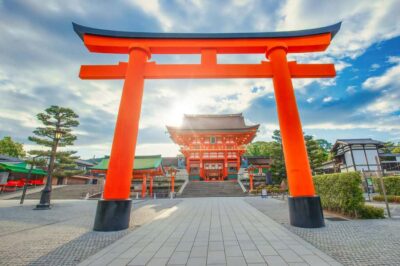
Arashiyama, Nara & Fushimi Inari Shrine w/Lunch
Read our review →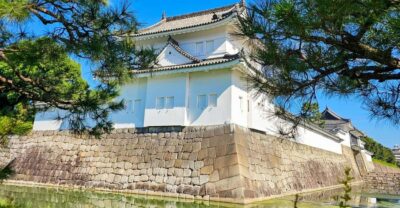
Imperial Palace & Nijo Castle Guided Walking Tour
Read our review →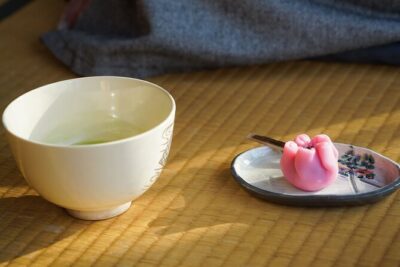
Kyoto Zen Meditation & Garden Tour at a Zen Temple with Lunch
Read our review →
Browse the lists this tour appears in