
Reviewed · KYOTO CRAFT WORKSHOPS
From Kyoto: Japanese Drum Taiko Workshop in Osaka
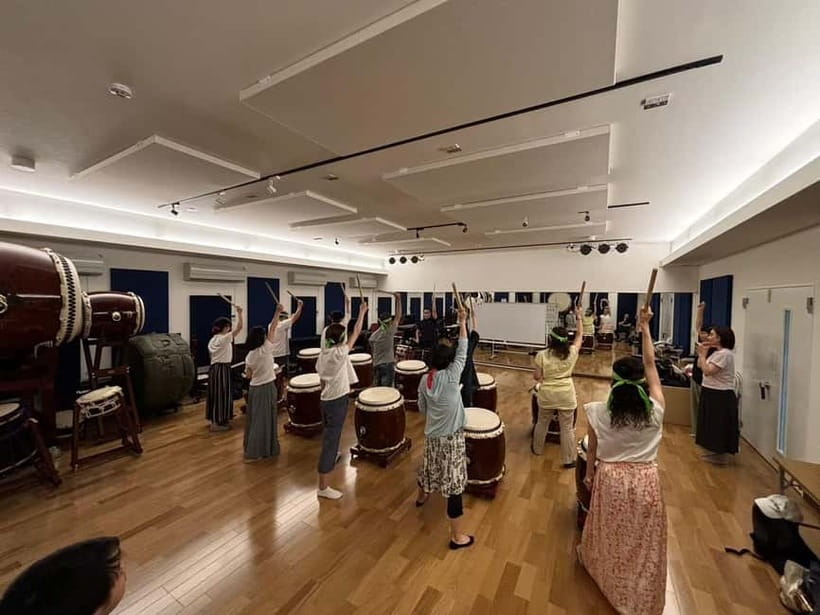
Taiko drumming turns a cultural introduction into a hands-on afternoon: you hear a professional play, then learn enough technique to perform a short piece with the group. I like that the workshop pairs the drumming with a brief history and a wish written on a traditional hachimaki. I also like that the English-speaking team meets you in Kyoto and handles the train and studio transfers.
One thing to plan carefully: the meeting is at Kyoto Station’s Central Ticket Gate, not the Shinkansen gate, and the group cannot wait for late arrivals. The trip takes about 2.5 to 3 hours door to door, so leave room in your schedule afterward.
What to know before you book
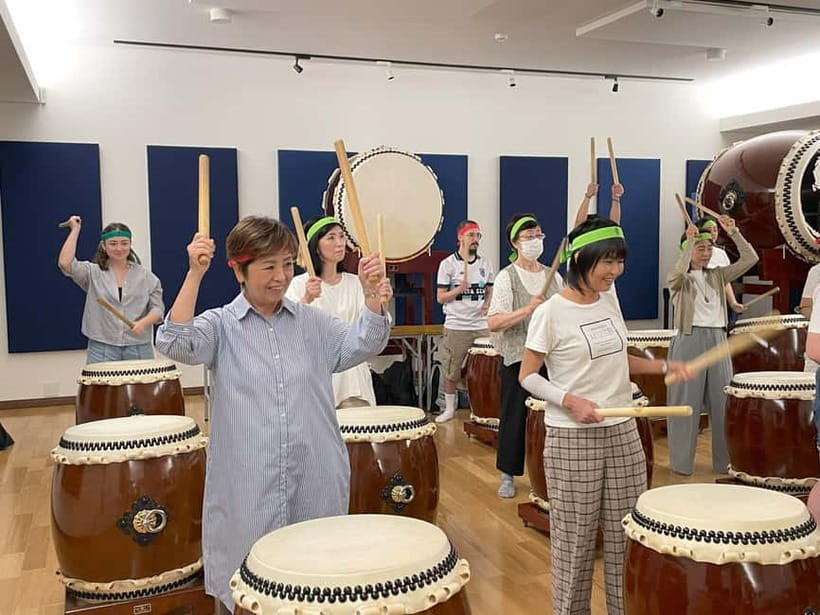
- You play, not just watch: After a professional taiko demonstration, you learn basic movements and rhythms, then perform a simple piece as a group.
- The studio is outside Kyoto: The route includes a JR train to Takatsuki and a private-car transfer to the studio.
- The session has a cultural introduction: You hear about taiko’s place in Japanese life and write a wish on a hachimaki.
- The group is capped at 15: That keeps the workshop small enough for instruction and a shared final performance.
- The closing photo is part of the experience: You pose in a happi coat and hachimaki, traditional clothing supplied for the photo.
- Arriving late means missing the tour: Be at the correct Kyoto Station meeting point 15 minutes early.
From Kyoto Station to the Takatsuki studio
The meeting point is on the north, Kyoto Tower side of JR Kyoto Station, at the Central Ticket Gate on the ground level. Look for the guide holding a sign for the Taiko Japanese Drum Experience. Kyoto Station is large, so it pays to confirm your route before the day rather than trying to find the right exit at the last minute.
If you arrive by JR, use the Central Exit. If you come by subway, exit through Central 1, then take Exit 6 to ground level. From there, Kyoto Tower should be on your right and the station building on your left; walk alongside the building toward the Central Ticket Gate. If you take a taxi, ask for the north side of Kyoto Station, the Kyoto Tower side. A taxi from Kyoto to the studio is not recommended because the journey can take longer and cost more.
Once the group is together, you take a JR train to Takatsuki, about 12 minutes away. A studio car meets you there for the short ride to the venue. That transfer is useful: you avoid having to navigate local connections on your own, and the workshop feels like an easy side trip from Kyoto rather than a full day away.
The advertised activity lasts 150 minutes, but allow 2.5 to 3 hours for the complete outing, including travel. The train schedule is fixed, and late arrivals cannot join or receive a refund. I would leave a generous buffer before any dinner reservation or onward train.
More craft workshops in Kyoto:
- Kyoto : Chopsticks Making Workshop in Gion with Engraving Option
★ 5.0 · 958 reviews - Kyoto: Calligraphy class at Buddhist temple in city center
★ 5.0 · 167 reviews - Kyoto: Beginner Knife Sharpening & Handle Fitting Workshop
★ 4.9 · 141 reviews
A short introduction, then a wish on your headband
At the studio, the session begins with an explanation of taiko’s cultural history and its importance in Japanese life. This gives the drumming a little context before you pick up the sticks. The introduction is brief, so the focus stays on participation rather than turning into a long lecture.
You also get to try simple calligraphy by writing a wish on a hachimaki, a traditional Japanese headband. It is a small activity, but it gives you a personal keepsake to wear later in the session. The headband also appears in the commemorative photo at the end.
The workshop supplies a happi coat and hachimaki for that photo. This is a cheerful finish, and a tangible reminder of the activity. If you prefer a cultural outing where you do something rather than simply observe, these opening and closing details help make the session feel complete.
Watch a professional before you take the sticks
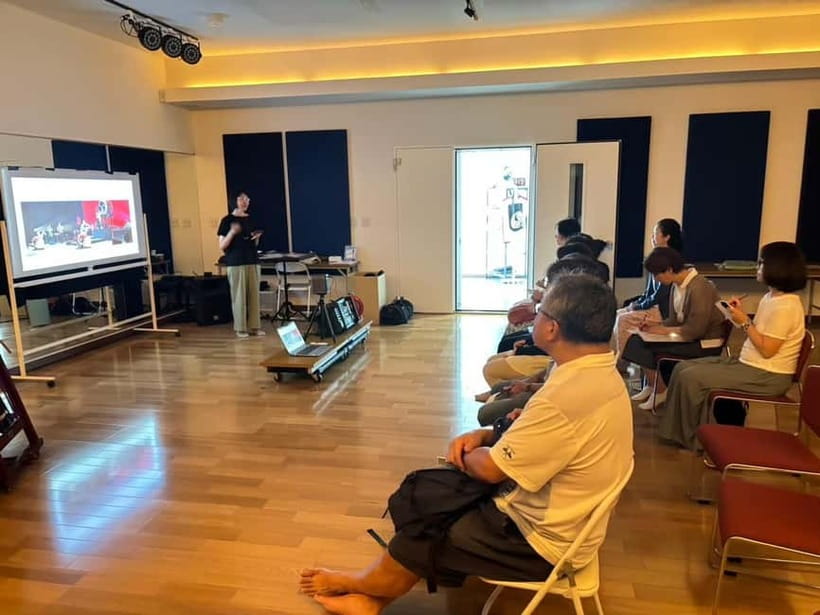
A professional player gives a taiko demonstration before the lesson begins. The force and rhythm of the performance show what the drums can do, and give you a clear example to work toward. It is a useful contrast with the beginner lesson that follows: impressive playing is not the same as easy playing.
The instructor then takes you through the basic movements and techniques. You do not need to be a musician to join. The aim is to learn a simple piece step by step, not to master the instrument in one afternoon.
The names associated with the teaching team include guides Michiko and Mie, and instructor Yusuke. Staff may vary by session, but the experience is led in English and is organized for people who are new to taiko. The warm, attentive approach matters here: you are learning by doing, and clear demonstrations make the rhythms easier to follow.
Practice a short piece with the group
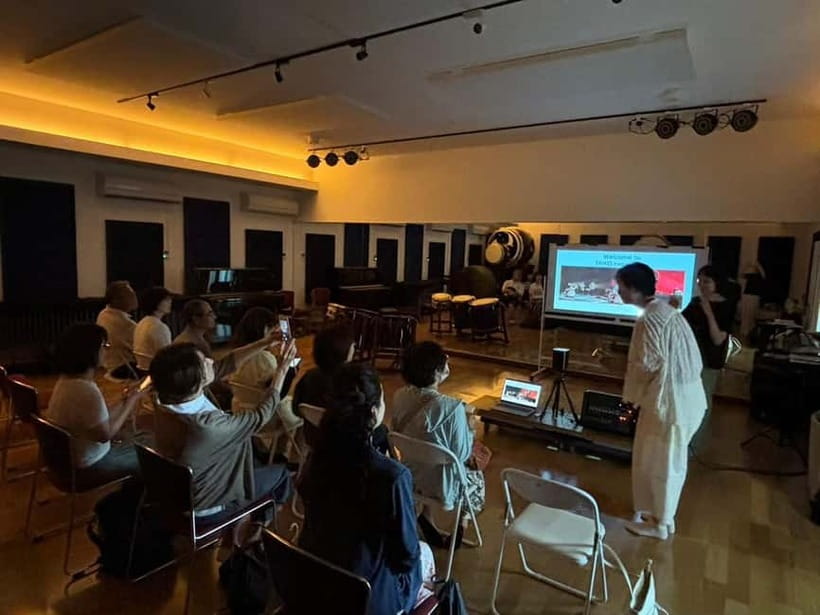
Most of the hands-on time goes into practicing the piece you will perform together. You learn the sections and rhythms, then bring them together as a group. The sequence gives everyone a chance to practice before the final run, which is helpful if you have no musical background.
Expect the piece to take concentration. The rhythms and changes in volume are part of the challenge, so this is more than simply hitting a drum as loudly as possible. The lesson is designed for beginners, but you will need to listen, watch, and coordinate with the other participants.
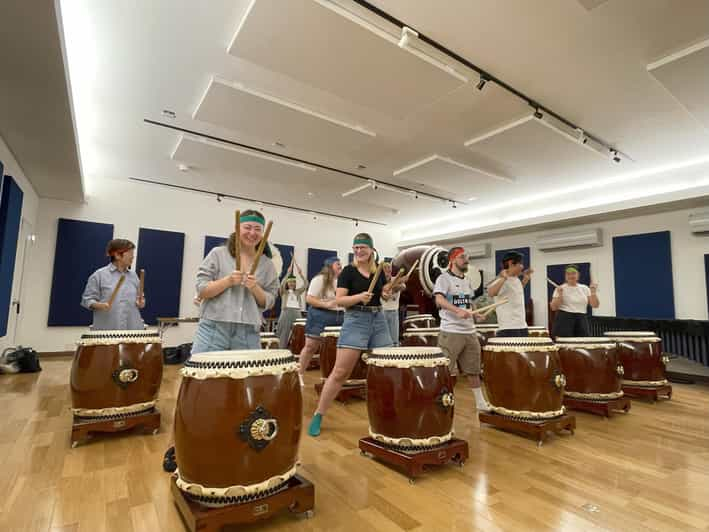
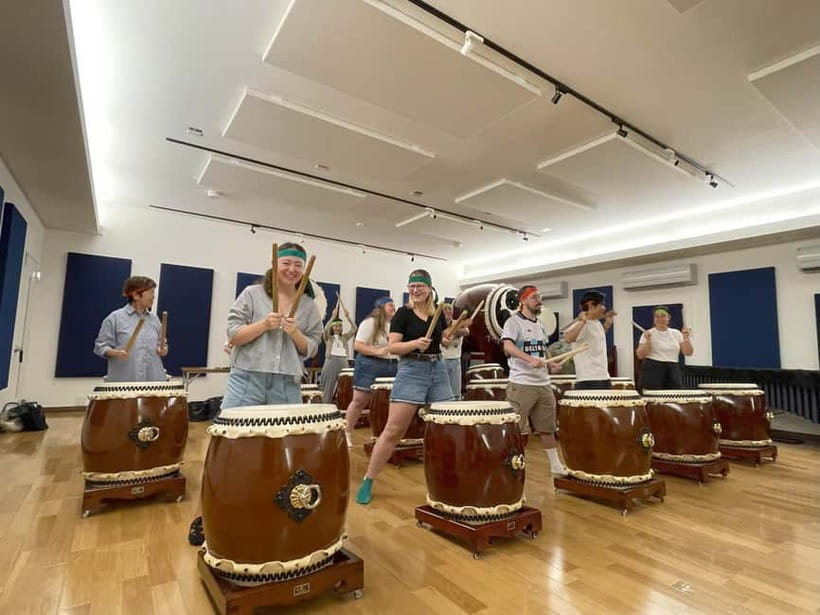
At the end, everyone plays the piece together. That shared finish gives the practice a purpose and makes the class feel like more than a collection of short demonstrations. The group size is limited to 15, which should help keep the activity personal while still giving the final performance the feel of an ensemble.
The workshop team also sets up video during the group performance, according to the experience described by participants. Treat that as a possible extra rather than a promised deliverable, since the included items list a commemorative photo, not a video.
More Osaka trips in Kyoto:
- Osaka/Kyoto:Kinkakuji,Arashiyama,FushimiInariShrine,NaraPark
★ 4.1 · 1,596 reviews - Kyoto/Osaka: Nara, Fushimi Inari Taisha, Arashiyama Bus Tour
★ 4.7 · 1,275 reviews - One-Day Tour of Kyoto’s Highlights from Osaka/Kyoto
★ 4.5 · 1,092 reviews - Osaka/Kyoto: Arashiyama, Nara & Fushimi Inari Shrine w/Lunch
★ 4.4 · 754 reviews
What the $112 price covers
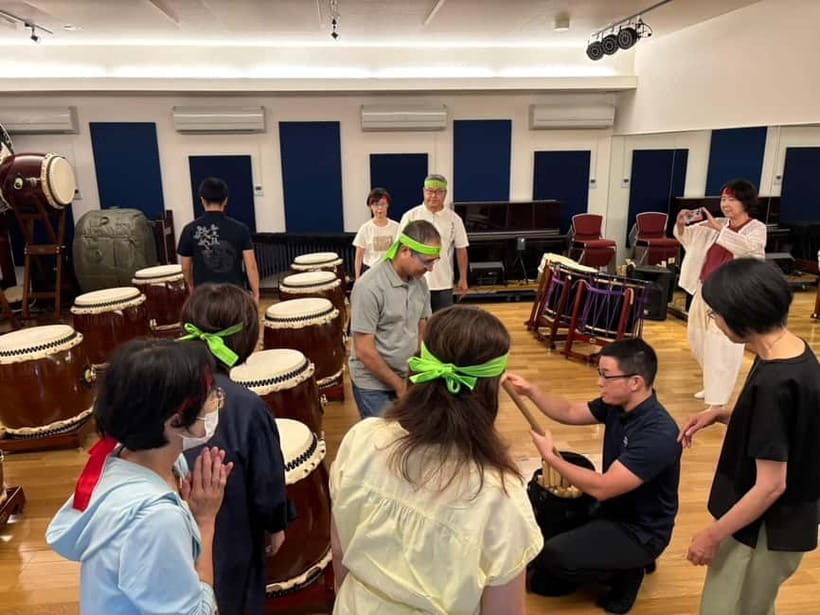
At $112 per person, this is a paid cultural workshop rather than a low-cost drop-in activity. The price includes the taiko experience, an English-speaking guide, an instructor, the hachimaki, a one-way JR ticket from Kyoto to Takatsuki, and car transport between the station and studio. The stated inclusions do not list a return JR ticket, so check the booking details if you need to confirm how your return journey is handled.
The guided transfers are a meaningful part of the value. You do not have to work out the connection to the studio yourself, and the guide helps you get from Kyoto Station to the activity. You are paying for the instruction and performance as well as the cultural context and transport, not just a short turn at a drum.
The 150-minute session is also substantial enough to include several different elements: an introduction, calligraphy, a performance, technique practice, a group piece, and a closing photo. If you want a quick demonstration only, this may be more time and money than you need. If you want to learn a piece and take part in it, the format makes better use of the price.
Some dates do not accept bookings for one person alone. On those days, the booking may require payment for two participants, so check availability and the booking terms before you commit. The activity offers reserve-now, pay-later booking and free cancellation up to 24 hours ahead.
Who will enjoy this workshop most
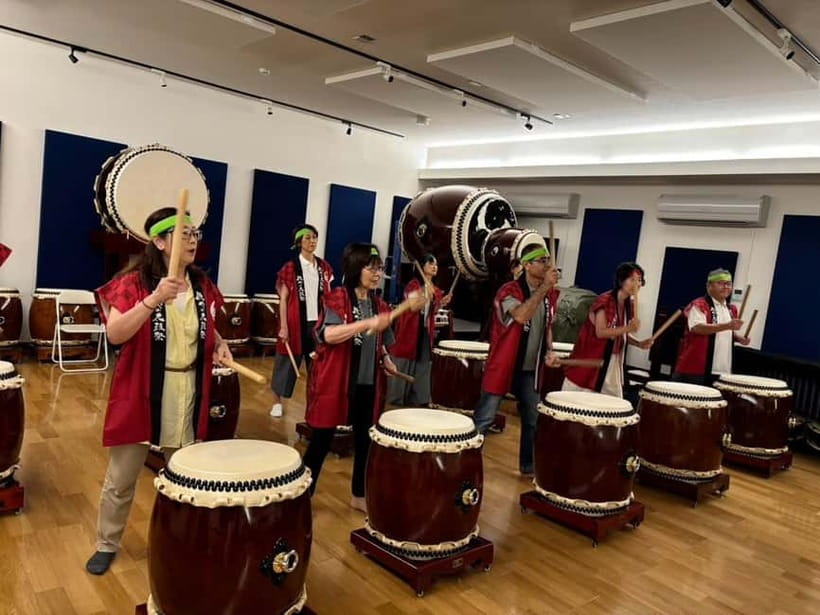
I would recommend this for people who want an active cultural experience and are willing to practice rather than just watch. It works well for families with older children, couples, friends, and solo participants on dates that allow a single booking. One parent and child can take part together, as long as the child is at least seven.
Children under seven cannot join. The activity’s main appeal is the chance to learn and perform a short piece, so it is a better fit for anyone ready to follow instruction and work with a group than for someone seeking a quiet, passive visit.
You do not need musical experience. The lesson is taught for newcomers, and the piece is built through practice. Still, do not expect to become an expert in one session; the more realistic reward is a taste of taiko technique and a satisfying group performance.
My booking advice
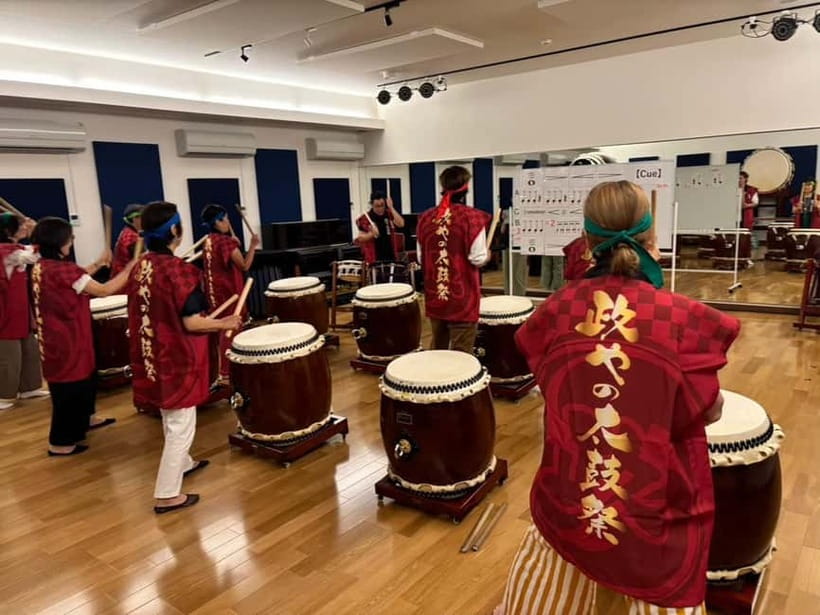
Book this if you want to connect a cultural introduction with active participation, and if you can give the outing a relaxed half-day window. The combination of a professional performance, beginner-friendly instruction, and a group finale gives you a clearer sense of the instrument than a demonstration alone.
Think twice if your Kyoto schedule is tight, you dislike fixed meeting times, or you need a guaranteed single-person booking on a particular date. The most important practical step is to locate the correct Central Ticket Gate in advance and arrive 15 minutes early. With that sorted, the workshop offers a rewarding change of pace from sightseeing, and a chance to leave with a rhythm, a photo, and a story you helped make.
FAQ
Where does the group meet?
Meet at the Central Ticket Gate of JR Kyoto Station, on the north side facing Kyoto Tower. Do not go to the Shinkansen Central Ticket Gate.
How early should I arrive?
Arrive 15 minutes before the start time. The group cannot wait for late arrivals, and latecomers cannot join.
How long does the full outing take?
The activity is listed as 150 minutes, but allow about 2.5 to 3 hours including travel.
How do I get to the taiko studio?
The group takes a JR train from Kyoto to Takatsuki, then a private car to the studio. The train ride takes about 12 minutes.
Is the workshop taught in English?
Yes. The live guide is English-speaking, and the session includes a taiko instructor.
Do I need musical experience?
No prior musical experience is required. The instructor teaches basic movements and techniques before the group practices a simple piece.
What is included in the price?
The listed inclusions are the taiko experience, English-speaking guide, instructor, hachimaki, one-way JR ticket to Takatsuki, and car transport between Takatsuki Station and the studio.
Can children participate?
Children under seven cannot participate. Children aged seven and older are not excluded by the stated age restriction.
Can I book for one person?
Some dates do not allow single-participant bookings. On those dates, you may need to book and pay for two participants.
What are the cancellation terms?
You can cancel up to 24 hours in advance for a full refund. The activity also offers a reserve-now, pay-later option.
Newly added in Kyoto
- Uji: Private immersion into Kyoto’s tea and reglious culture★ 5.0 · 17 reviews
- Whisk Your Own Matcha: A Zen Matcha Experience at Temple★ 3.6 · 7 reviews
- Kyoto tea town for matcha lovers★ 5.0 · 16 reviews
- Treasures of Kyoto: Gion & historical Walking Tour★ 5.0 · 6 reviews
- Kyoto Matcha Green Tea Tour★ 4.5 · 23 reviews
- Uji and Wazuka Matcha Farm Half Day Private Guided Tour★ 5.0 · 21 reviews
- Uji Tea Ceremony and UNESCO Heritage Walking Tour★ 5.0 · 20 reviews
- Utilising upcycled Matcha! Creating matcha incense (Uji, Kyoto)★ 5.0 · 6 reviews
Kyoto Craft Workshops, compared.

Chopsticks Making Workshop in Gion with Engraving Option
Read our review →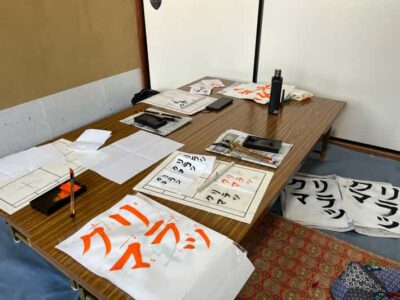
Calligraphy class at Buddhist temple in city center
Read our review →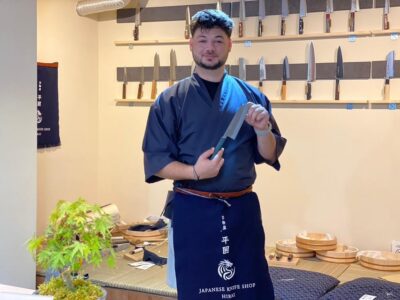
Beginner Knife Sharpening & Handle Fitting Workshop
Read our review →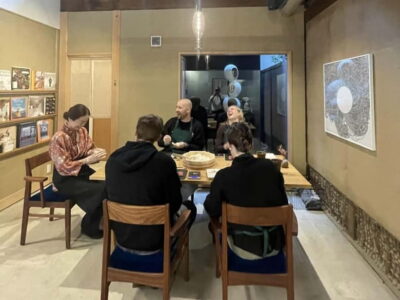
Japanese Archery Workshop with Experienced Instructor
Read our review →
Kyoto Michelin Ramen Workshop or Painting Ramen Essentials
Read our review →
Browse the lists this tour appears in