
Reviewed · KYOTO CRAFT WORKSHOPS
Kyoto: Sumi Ink and Brush Calligraphy Experience
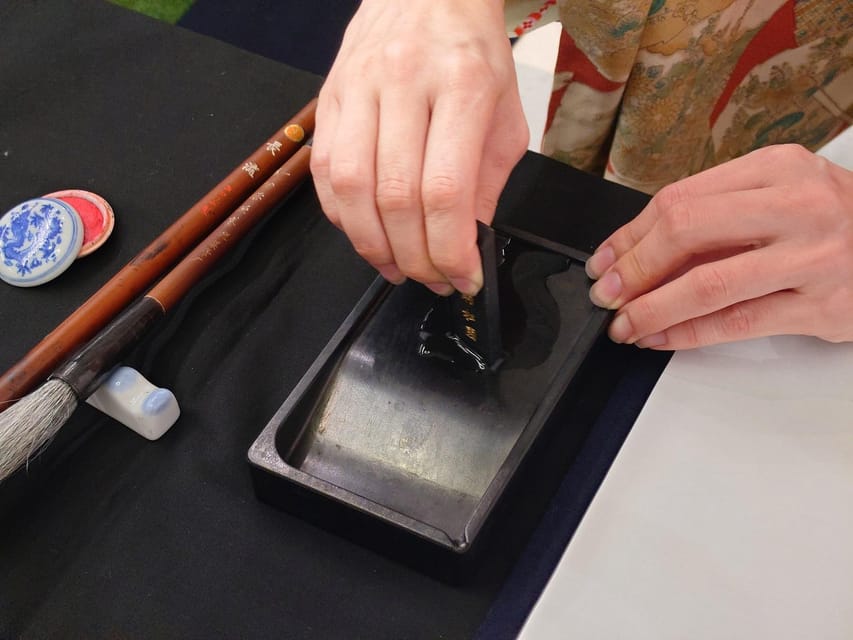
Sumi ink begins as a slow, tactile process: you add water to an inkstone and grind the ink yourself, noticing its scent and changing shade before the brush even touches paper. Then you use that ink to paint bamboo and add characters to a shikisi board.
I like two things in particular: you learn both ink painting and brush calligraphy, and the finished board gives you a personal souvenir rather than another shop-bought trinket. The small group and step-by-step practice also make this a sensible choice for beginners.
One consideration: 50 minutes goes by quickly, and the activity is described both as wheelchair accessible and as unsuitable for wheelchair users. If mobility access matters to you, confirm the arrangements with the provider before booking.
At a glance
- Grind the ink yourself: Use water and a suzuri inkstone rather than starting with premade sumi ink.
- Try two brush techniques: Practice soku-hitsu, using the side of the brush, and choku-hitsu, holding it upright.
- Paint bamboo, then add words: Make a bamboo image before writing characters beside it.
- Take home your shikisi board: Your finished work is included as a keepsake.
- Learn in a small group: No more than six participants, with instruction in English or Japanese.
- Plan for a short session: The activity lasts 50 minutes and costs $49 per person.
From inkstone to first brushstrokes
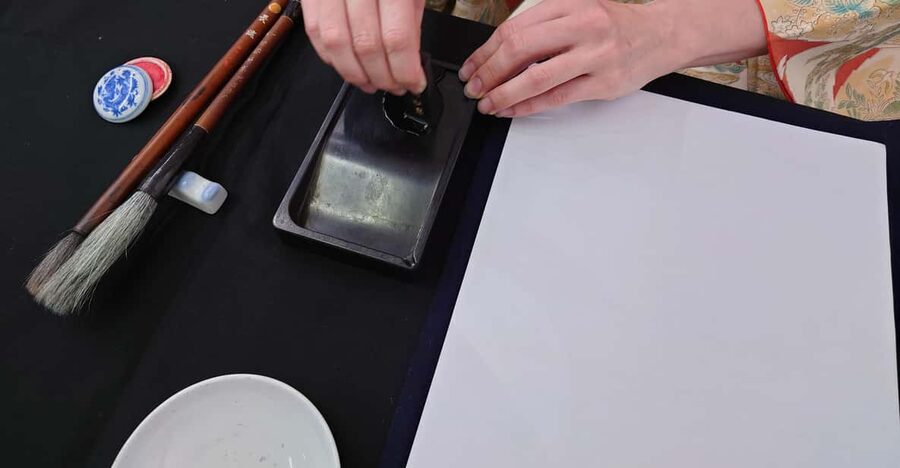
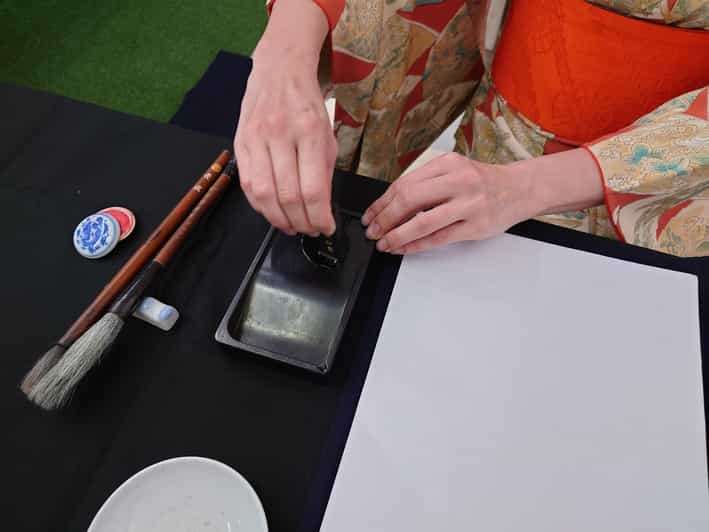
The session begins with the ink, not a lecture. You grind sumi ink with water on a suzuri, the traditional inkstone provided for the activity. This is one of the experience’s most distinctive parts: the ink is prepared in front of you, and you can notice its fragrance and texture as it develops.
That slower start changes the feel of the class. Instead of opening a bottle and getting straight to the picture, you spend a little time preparing the material you will use. If you like hands-on activities, this quiet task gives you a chance to settle in and focus. If you are expecting a fast-paced art class, it may feel more meditative than productive at first.
All necessary calligraphy tools are supplied, including the inkstone and shikisi board. Premade sumi ink is not included, because making the ink is part of the experience. You do not need to bring calligraphy supplies or arrive with artistic training.
More craft workshops in Kyoto:
- Kyoto : Chopsticks Making Workshop in Gion with Engraving Option
★ 5.0 · 958 reviews - Kyoto: Calligraphy class at Buddhist temple in city center
★ 5.0 · 167 reviews - Kyoto: Beginner Knife Sharpening & Handle Fitting Workshop
★ 4.9 · 141 reviews
Learning the brush before painting bamboo
Before you work on the board, the instructor shows you two ways to handle the brush. With soku-hitsu, you use the side of the brush. With choku-hitsu, you hold it upright. These different positions give you a basic vocabulary for making marks, rather than leaving you to guess how the brush should meet the surface.
You get time to practice before moving on to the main artwork. That matters for beginners: the brush can feel unfamiliar, and a few trial strokes make the final piece less intimidating. The teaching is described as patient and step by step, with plenty of practice. Expect guidance on technique and bamboo drawing, not a long art-history lesson.
The class is limited to six participants, which suits an activity where you may want to watch the instructor closely and ask for help. English and Japanese instruction are available. No particular level of English or prior knowledge is specified, so if you have a specific language or access need, check with the provider before you reserve.
Drawing bamboo on a shikisi board
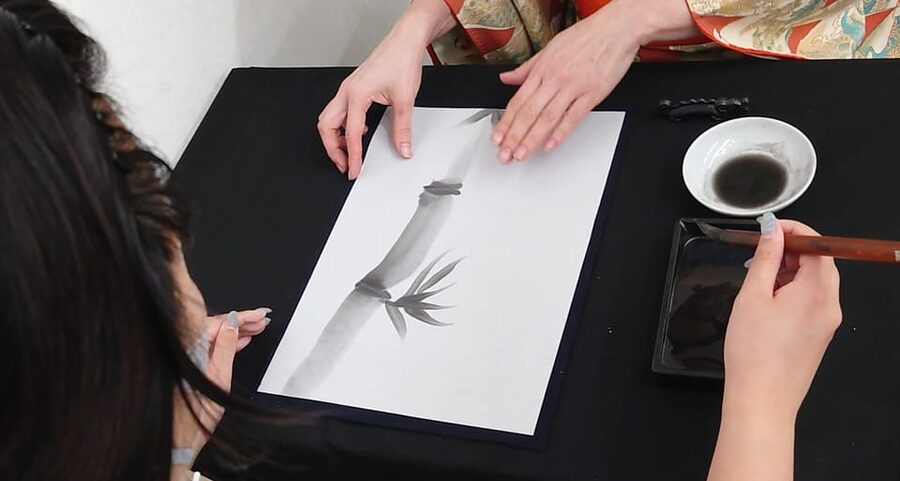
Once you have practiced the brush movements, you use them to draw bamboo on a shikisi board. The aim is to work with water and ink and enjoy the spare, expressive quality of the image. You are not asked to reproduce a complicated scene; the focus is on applying the marks you have just practiced.
The order is useful. You start with simple brush exercises, then put those techniques to work in the bamboo drawing. That gives the class a clear progression and lets you make your own piece without needing to invent the process from scratch. A recent participant described the instruction as step by step with plenty of practice, which is exactly the kind of structure that helps when you are trying a new art form in a short session.
You should still go in with realistic expectations. This is a 50-minute introduction, not an extended course in sumi painting. You will have time to practice and make a finished board, but the experience is designed to give you a taste of the technique rather than mastery. The value is in trying the materials and making something yourself.
Adding kanji and finishing your keepsake
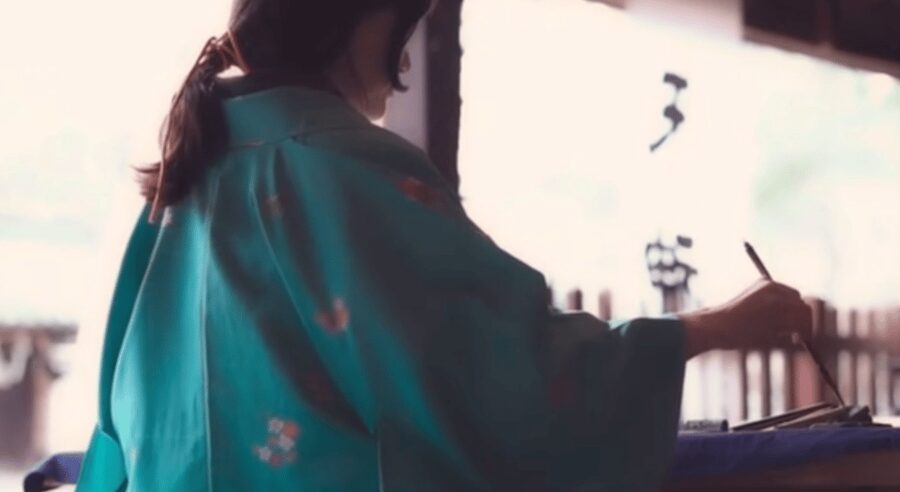
After the bamboo, you write characters beside your drawing. The suggested options are 竹, meaning bamboo, and 和, meaning harmony. If you have another character in mind, you can ask the instructor, who can write requested characters for you. You also practice before adding the writing to your finished board.
This pairing of image and characters makes the artwork feel personal. You are not only following a demonstration; you choose what to write and place it beside your own bamboo. If you are unsure what character to choose, the provided options connect directly to the subject and give you an easy starting point.
The completed shikisi board is yours to take home and display. That included takeaway adds real value to the $49 price. You leave with more than a short activity on your schedule: you have a piece made during the session, along with a basic sense of how the ink and brush behave.
More Kyoto tours in Kyoto:
- PERFECT KYOTO 1-Day Bus Tour
★ 5.0 · 13,518 reviews - Kyoto: Fushimi Inari, Kinkakuji, Bamboo Grove 1 Day Bus Tour
★ 4.8 · 4,316 reviews - Kyoto: Tea Ceremony in a Traditional Tea House in Kiyomizu
★ 4.9 · 3,519 reviews - Kyoto Geisha Walking Tour: Gion District & Hidden Gems
★ 4.7 · 3,273 reviews
Who will get the most from this class
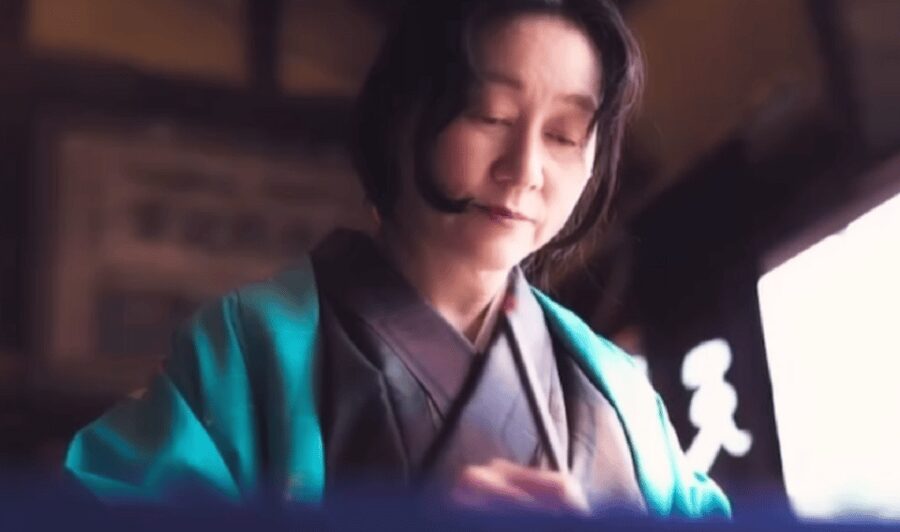
This experience is a good fit if you enjoy learning by doing, want a quiet cultural activity, or would like a manageable introduction to Japanese brushwork. It is also a useful option if you are traveling with someone who is curious about art but does not want to commit to a full workshop. No previous calligraphy experience is required, and the instructor supplies the tools.
The small group is another plus for beginners. With a limit of six, the format is less anonymous than a large demonstration, and the stepwise teaching gives you several chances to try the brush before working on your final board. The short length may also suit a packed itinerary, though you will need to arrive on time so you do not lose a meaningful portion of the session.
This is less suitable if you want a long, advanced lesson or several finished works. You make one bamboo design and add characters to it, so the experience is focused rather than broad. And although it is described as indoors, the activity information gives conflicting guidance about wheelchair access. Contact the provider directly if you need step-free access or other mobility accommodations.
Price, timing and meeting point
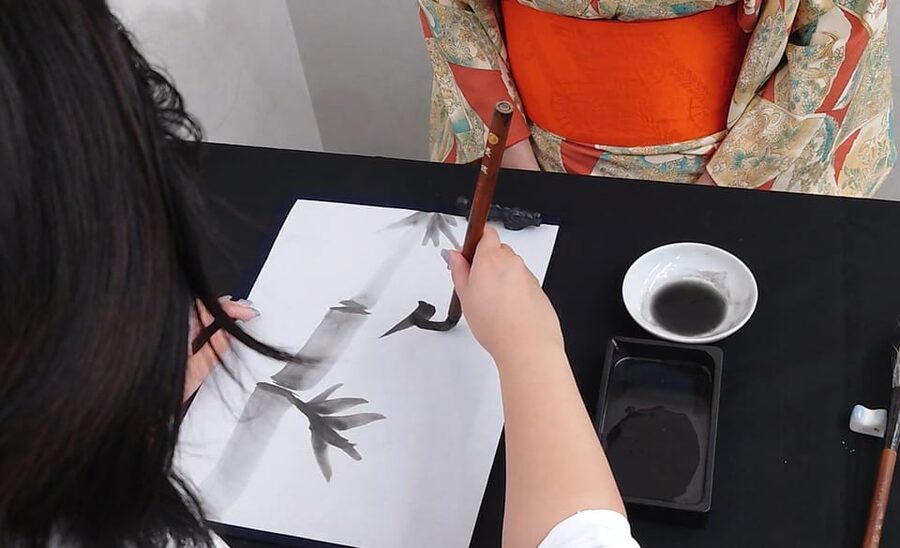
At $49 per person for 50 minutes, the price is best judged as a small-group, hands-on activity with materials and a take-home piece included. It is not a bargain if you compare it with a quick demonstration, but the price covers instruction, the inkstone, the board and the chance to make your own artwork. The keepsake is a more lasting memento than a brief performance or a disposable souvenir.
The meeting point is near the giant crab sculpture of Kani Doraku. Transportation to the venue is not included, so plan your route separately and allow enough time to arrive promptly. Comfortable shoes and clothes are recommended, along with a hat, sunscreen and water. The class itself is indoors, and an apron is lent to help protect your clothing, so the outdoor items are for your journey and day in Kyoto rather than the worktable.
You can reserve now and pay later, and cancellation up to 24 hours in advance is eligible for a full refund. Check the available start times when planning, since the exact schedule is not fixed here. If you have a mobility concern, clarify access before booking because the activity details are inconsistent on that point.
Should you book the sumi ink experience?
Book it if you want a compact, guided introduction to sumi ink and the satisfaction of making a bamboo-and-character board yourself. The most appealing details are the ink grinding, the two brush techniques, and the small group. The patient, step-by-step approach makes it especially approachable if you have never tried calligraphy.
Skip it if you are looking for an in-depth class, a long session, or a broad survey of Japanese art. And if wheelchair access is essential, get a clear answer from the provider before you commit. For everyone else, this is a focused way to spend 50 minutes making something with your hands, then carry a piece of the experience home.
FAQ
How long does the activity last?
The session lasts 50 minutes.
How much does it cost?
The listed price is $49 per person.
Do I need calligraphy experience?
No. Prior calligraphy experience is not required.
What will I make?
You will draw bamboo on a shikisi board and write characters beside it. The finished board can be taken home.
Which characters can I write?
The suggested characters are 竹, meaning bamboo, and 和, meaning harmony. You can ask the instructor about other characters, and the instructor will write requested characters for you.
What languages are available?
Instruction is available in English and Japanese.
Where is the meeting point?
It is near the giant crab sculpture of Kani Doraku. Transportation to the venue is not included.
Is the activity wheelchair accessible?
The information describes the activity as wheelchair accessible but also lists wheelchair users and people with mobility impairments as unsuitable. Contact the provider to confirm whether the venue and activity will meet your needs.
Newly added in Kyoto
- Uji: Private immersion into Kyoto’s tea and reglious culture★ 5.0 · 17 reviews
- Whisk Your Own Matcha: A Zen Matcha Experience at Temple★ 3.6 · 7 reviews
- Kyoto tea town for matcha lovers★ 5.0 · 16 reviews
- Treasures of Kyoto: Gion & historical Walking Tour★ 5.0 · 6 reviews
- Uji and Wazuka Matcha Farm Half Day Private Guided Tour★ 5.0 · 21 reviews
- Kyoto Matcha Green Tea Tour★ 4.5 · 23 reviews
- Uji Tea Ceremony and UNESCO Heritage Walking Tour★ 5.0 · 20 reviews
- Utilising upcycled Matcha! Creating matcha incense (Uji, Kyoto)★ 5.0 · 6 reviews
Kyoto Craft Workshops, compared.
Chopsticks Making Workshop in Gion with Engraving Option
Read our review →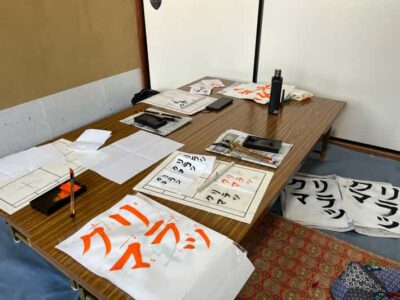
Calligraphy class at Buddhist temple in city center
Read our review →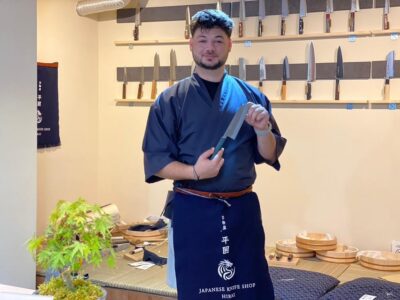
Beginner Knife Sharpening & Handle Fitting Workshop
Read our review →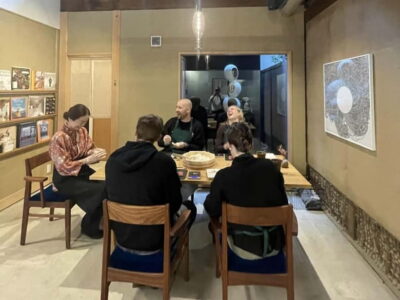
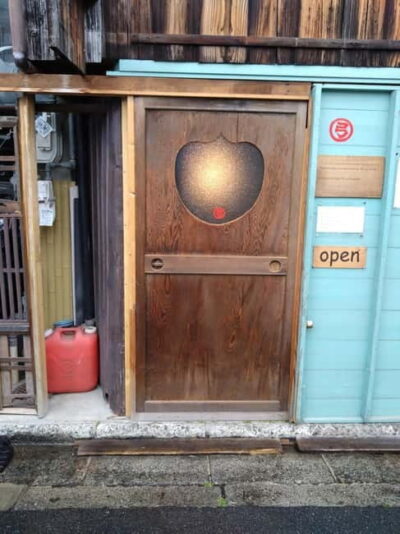
Japanese Archery Workshop with Experienced Instructor
Read our review →
Kyoto Michelin Ramen Workshop or Painting Ramen Essentials
Read our review →
Browse the lists this tour appears in