
Reviewed · KYOTO TEA CEREMONIES
Nara:Authentic Tea Ceremony(Max 5 ppl) -Master Matcha Making
A 120-year-old farmhouse gives this Nara tea ceremony a fitting setting: quiet, traditional, and a world away from a quick cup at a café. In an hour, you’ll hear about the ceremony’s customs and utensils, taste matcha, and whisk a bowl yourself under a tea master’s guidance.
Two things I like most are the hands-on matcha practice, with tips on your whisking technique, and the chance to taste and compare teas rather than treat matcha as a single, generic flavor. The hosts, including Mike, Hasumi, Tate, and Mark, are also praised for answering questions and sharing useful Nara recommendations.
One consideration: an hour is enough for a thoughtful introduction, not an advanced tea lesson. The group-size information gives both a maximum of five and a limit of six, so check the details for your selected session if a very small group matters to you.
At a glance
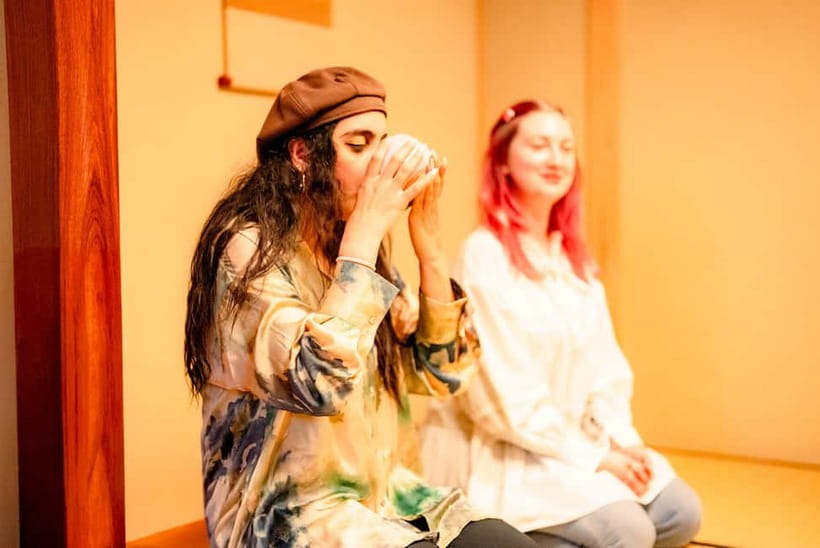
- Setting: A traditional Japanese farmhouse described as 120 years old.
- What you do: Learn the ceremony’s history, etiquette, and utensils, then prepare matcha yourself.
- What you taste: Matcha, including single-origin tea from Nara, paired with seasonal wagashi.
- Group size: Small group, with the stated maximum varying between five and six participants.
- Languages: English and Japanese.
- Time and price: One hour for $46 per person.
A farmhouse sets the tone
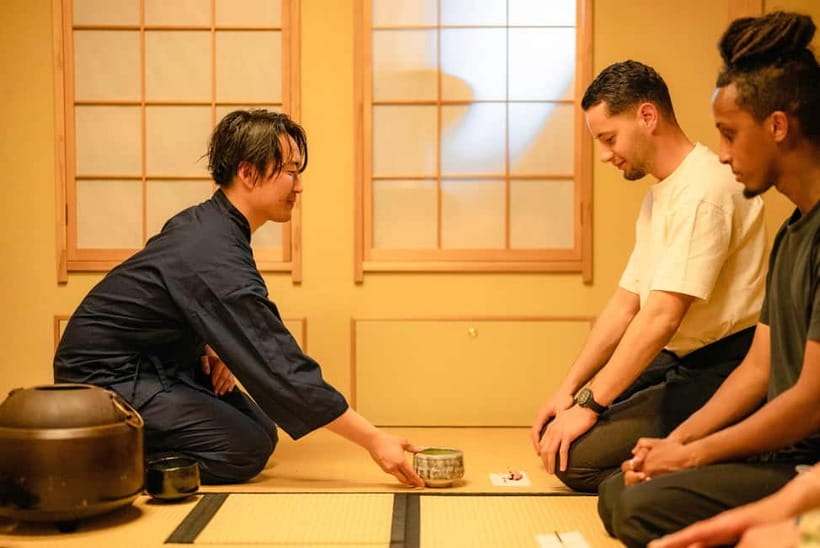
The house is part of the appeal, not just a backdrop for the tea. A traditional farmhouse gives the session a quieter, more personal feel than a demonstration in a busy public venue. The setting helps you focus on the small actions that make up the ceremony: handling the utensils, watching the tea being prepared, and paying attention to the bowl in front of you.
This is not presented as a grand formal performance where you simply sit and watch. The tea master explains what is happening and why, and you can ask questions along the way. Several hosts are named for this activity, including Mike, Hasumi, Tate, and Mark. The provider is Kurabi, but the particular instructor may depend on your session.
The house is described as serene, and the hour is built around calm attention rather than a packed sightseeing schedule. That makes it a good counterpoint to a day of walking around Nara. It is also a way to encounter Japanese tea culture in a small setting, where you can see the utensils up close and take part rather than only hear a broad overview.
More Nara trips in Nara:
- World Heritage Kyoto & Nara Uji Authentic Matcha Experience
★ 5.0 · 1,573 reviews - Kyoto/Osaka: Nara, Fushimi Inari Taisha, Arashiyama Bus Tour
★ 4.7 · 1,275 reviews - Nara Half Day Trip Walking Tour (Private Option Available)
★ 5.0 · 937 reviews
First, learn the meaning behind the motions
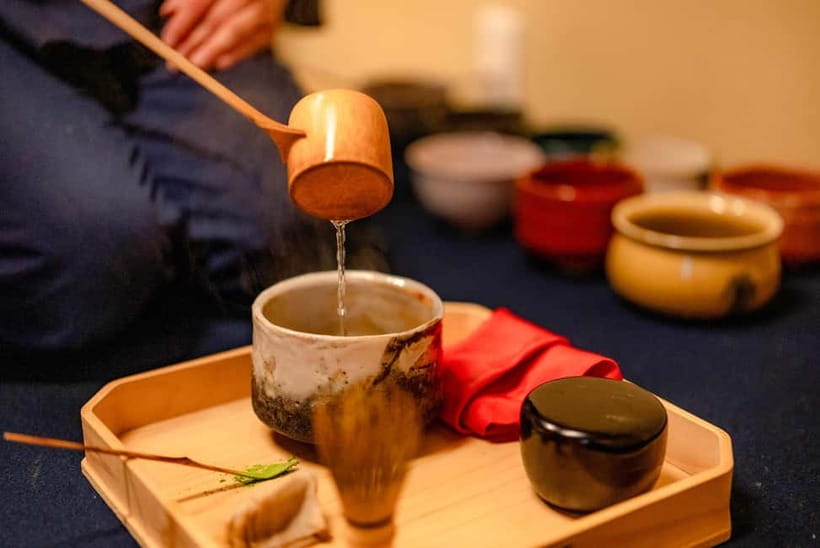
The tea master introduces the history and etiquette of the tea ceremony, along with the traditional tools used to prepare and serve matcha. That context matters. Without it, whisking tea can feel like a simple cooking task; with it, the gestures have a purpose and the utensils become more than attractive objects.
Expect an introduction rather than an exhaustive history. The session lasts one hour, and its strength is the blend of explanation and participation. You can ask about customs and philosophy, and hosts are described as making room for questions. Some have a relaxed, humorous style, which helps keep the formal parts approachable.
The balance is useful for first-timers. You do not need to arrive knowing how to bow, handle a bowl, or hold a whisk. The master guides you through the steps and explains the etiquette as you go. If you are already deeply familiar with tea ceremony, the introductory level may feel basic, but the tasting and personal instruction can still be worthwhile.
Taste before you whisk
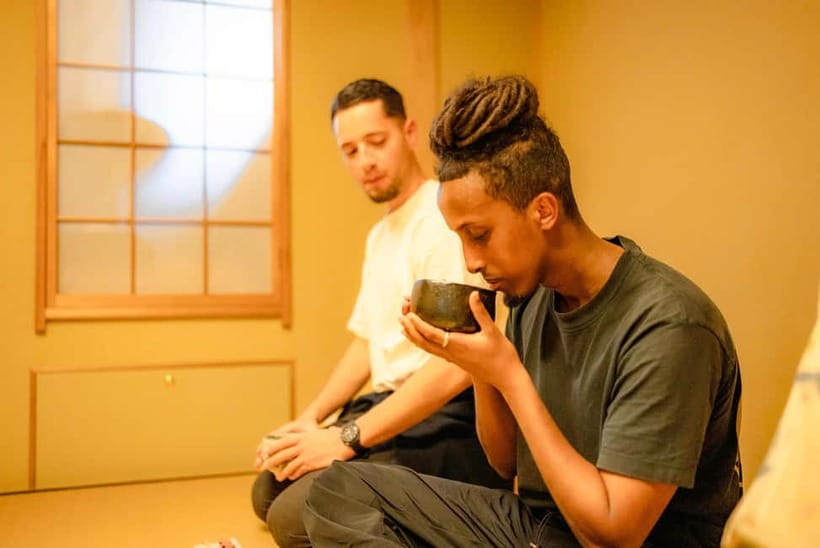
The tasting gives you a chance to notice matcha as more than a bright green drink. The activity includes single-origin matcha from Nara, and the point is to compare flavors and find a favorite. Some sessions may feature additional teas, but the exact tasting selection is not specified, so treat the Nara matcha as the dependable focus.
This part is especially useful if you have only tried matcha in a latte or sweet dessert. A traditional preparation lets the tea’s aroma and flavor come through more clearly. You can pay attention to how the tea tastes on its own, then enjoy it with a seasonal wagashi, a traditional Japanese sweet served to complement the tea.
The sweet is not a throwaway extra. Wagashi offers a contrast in flavor and texture, and it is part of the traditional tea pairing. You get a small taste of how the ceremony treats tea as a complete moment, not simply a drink to gulp down before moving on.
Hosts may also be able to point you toward matcha to buy. Mike, for example, has been praised for giving advice on where to find tea and for offering local food and sightseeing suggestions. That sort of informal guidance can make the hour useful beyond the house, especially if you want to bring a new tea habit home.
Your turn at the tea bowl
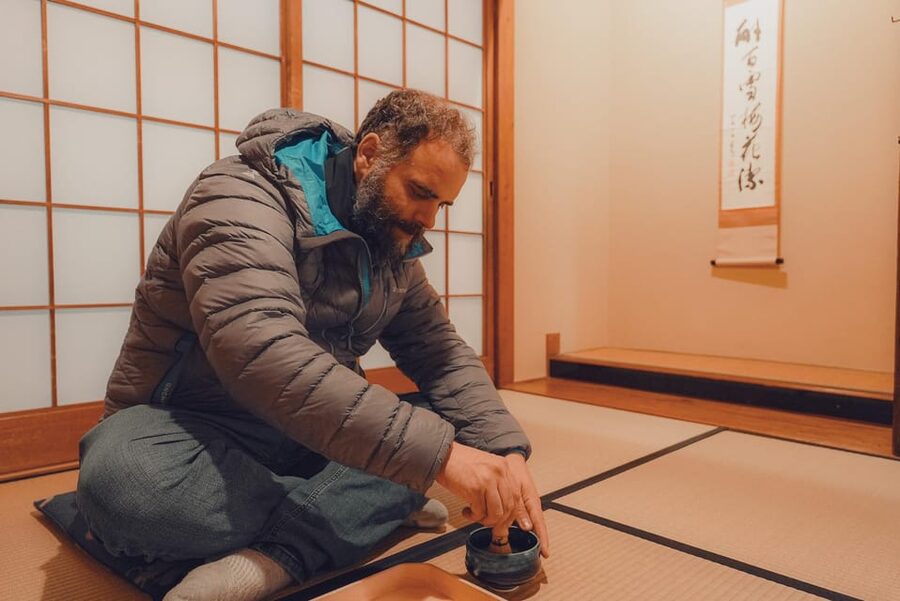
After watching the master prepare matcha, you get to whisk your own. The instructor demonstrates the technique and gives personalized feedback, including tips to improve your whisking. It is a small but satisfying bit of practice: you can feel the difference between merely stirring and using the whisk with a steady, deliberate motion.
Do not expect to leave as a tea master after one attempt. The value lies in learning a technique you can repeat, and in understanding why the preparation takes care. The hands-on part turns the session from a cultural talk into something you have actually done yourself.
You also get to drink the matcha you make, with the wagashi alongside it. That gives the lesson a pleasant payoff. You have watched the process, learned its purpose, tried the motions, and tasted the result, all within the hour.
If you are traveling with family or friends, the small-group format can make it easier to take turns and ask questions than a large class would. The information lists both a maximum of five and a limit of six participants, however, so check the selected date and session rather than assuming the exact number. Some groups may be private when a party books together, but that is not guaranteed for every booking.
More tea ceremonies in Nara:
- Kyoto: Nara & Traditional Matcha Experience Bus Tour
★ 4.9 · 185 reviews - Nara:5 Type of Tea Tasting & Mindful Tea Ceremony
★ 5.0 · 28 reviews - Nara:Tea Tasting&Private Tea Ceremony -Master Matcha Making-
★ 5.0 · 19 reviews - Nara:Private Tea Ceremony(Max 5 ppl) -Master Matcha Making-
★ 5.0 · 3 reviews
More than a tea lesson
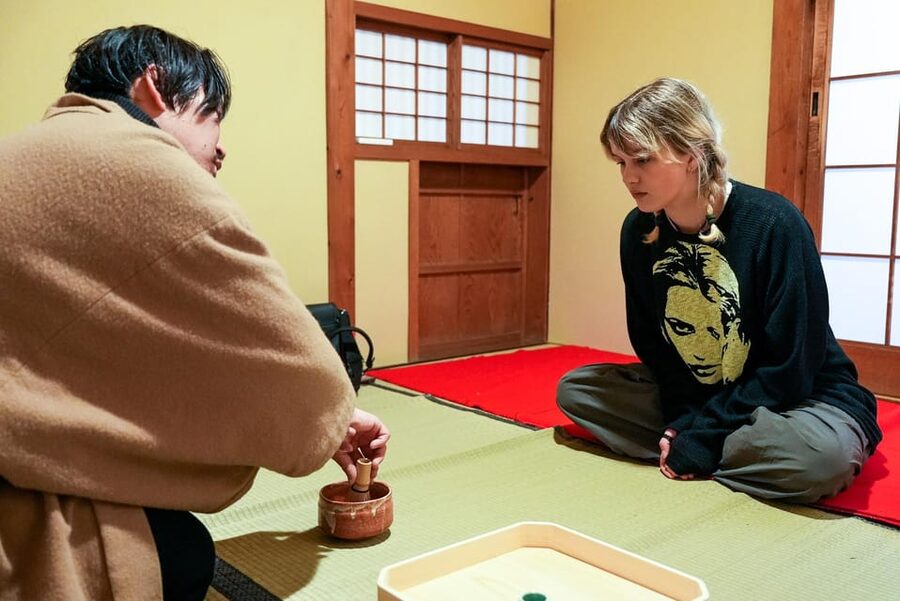
A recurring strength of the activity is the host’s local knowledge. The tea master may offer suggestions for restaurants, matcha cafés, sake shops, or places to visit in Nara. That can be a welcome bonus, particularly if you are new to the city and want ideas beyond the best-known sights.
Treat those suggestions as a helpful conversation, not a promised part of the formal program. The core activity is the tea ceremony and matcha practice. Restaurant tips and local advice depend on the host and the questions you ask, so speak up if you want recommendations.
The English-language instruction is another practical advantage for visitors who do not speak Japanese. The activity is offered in English and Japanese, and English-speaking hosts have been praised for explaining the steps clearly. If a particular language is essential, confirm it for your session when checking availability.
Is $46 a fair price for an hour?
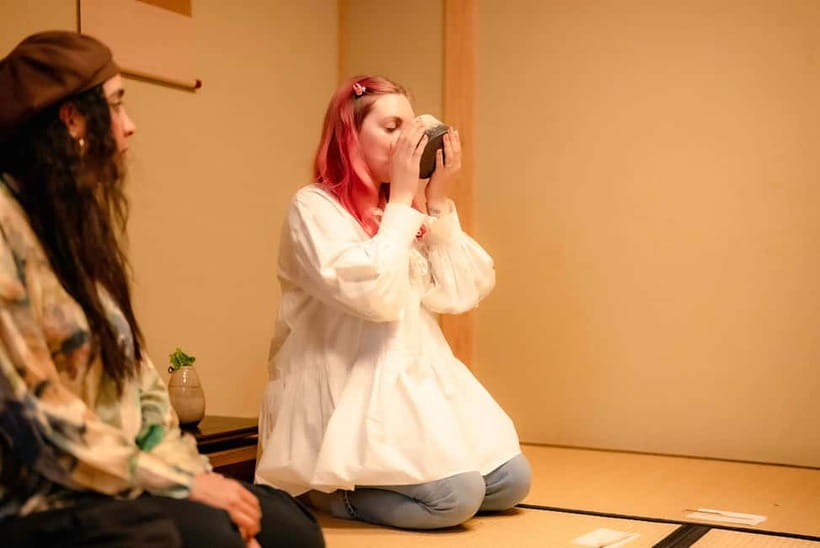
At $46 per person, this is not the cheapest way to drink matcha in Japan. You are paying for more than a bowl of tea: the farmhouse setting, instruction from a tea master, background on the ceremony, a guided tasting, hands-on practice, and wagashi are all part of the hour.
The price makes most sense if you want a focused cultural activity rather than a quick photo or a café stop. The personal feedback and chance to ask questions are the real value. You leave with a better sense of what you are seeing when you encounter tea ceremony customs elsewhere, plus a basic whisking technique you can try again.
If your main goal is simply to taste matcha, a café may cost less and take less time. If you are curious about how matcha is prepared and why the ceremony follows particular customs, this session gives you more for the money. It is also a compact choice for a busy itinerary: one hour is long enough to learn and participate, but short enough to fit around other plans.
Who should book this?
I’d put this near the top of the list for a first-time visitor who wants a calm, participatory introduction to Japanese tea culture. It suits curious beginners, tea drinkers who want to improve their matcha preparation, and couples or families looking for a quieter activity between sightseeing stops.
It may be less compelling if you want a long, highly formal ceremony or advanced instruction. The session is an introduction with a practical focus, and its informal, friendly approach is part of its appeal. If you prefer to observe rather than take part, you may miss the best part: whisking the matcha yourself.
The activity earns its place in a Nara itinerary through a strong combination of setting, instruction, and tasting. Book it if you want to understand the basics and try them yourself, not just watch a ceremony unfold. At $46, the combination of a traditional house, tea master, wagashi, and hands-on practice offers solid value for a short cultural lesson.
FAQ
How long does the tea ceremony last?
The activity lasts one hour.
How much does it cost?
The stated price is $46 per person.
What language is the instruction in?
Instruction is offered in English and Japanese.
How many people can join?
The activity is described as a small group. Its details give both a maximum of five and a limit of six participants, so check the group size for your chosen session.
Will I get to prepare matcha myself?
Yes. The tea master guides you through preparing matcha and gives personalized feedback on your technique.
What will I learn about the tea ceremony?
You’ll get an overview of its history, etiquette, and traditional utensils, along with guidance on preparing and serving matcha.
Is matcha included?
Yes. Matcha preparation and serving, guided by the tea master, are included.
Are Japanese sweets included?
Yes. The activity includes seasonal wagashi, traditional Japanese sweets served with the tea.
Can I cancel for a refund?
You can cancel up to 24 hours in advance for a full refund.
Newly added in Nara
- Nara Private Day Trip – Enjoy Your First-Time Visit to Nara!★ 5.0 · 10 reviews
- Relax in Nara: Deer Park, Todai-ji Temple and Merchants’ Town★ 5.0 · 6 reviews
- Nara Todaiji Lazy Bird Walking Tour★ 5.0 · 11 reviews
- Nara: Authentic Onigiri Cooking Class & Meal in a Local Home★ 5.0 · 4 reviews
- Private Nara Tour and Sake Tasting (Departing from Kyoto/Nara)★ 5.0 · 40 reviews
- Private Journey in Nara’s Historical Wonder★ 5.0 · 3 reviews
- Nara World Heritage PRIVATE TOUR★ 4.5 · 15 reviews
- Nara:Private Tea Ceremony(Max 5 ppl) -Master Matcha Making-★ 5.0 · 3 reviews
Kyoto Tea Ceremonies, compared.

Tea Ceremony in a Traditional Tea House in Kiyomizu
Read our review →

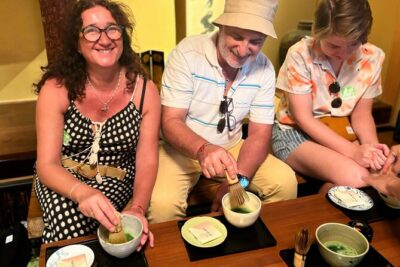
World Heritage Kyoto & Nara Uji Authentic Matcha Experience
Read our review →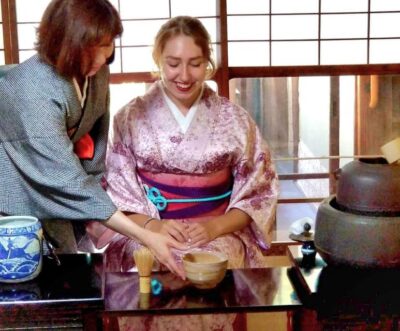
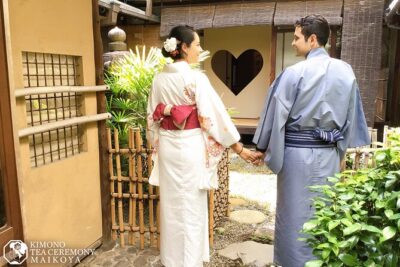

Arashiyama Bamboo Forest, Monkeys, Matcha & Temple Tour
Read our review →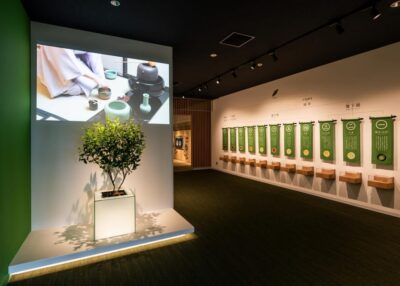
Tea Museum Tickets and Matcha Grinding Experience
Read our review →Browse the lists this tour appears in