
Reviewed · KYOTO CRAFT WORKSHOPS
Traditional Japanese Flower Styling Workshop – Ikebana in Kyoto
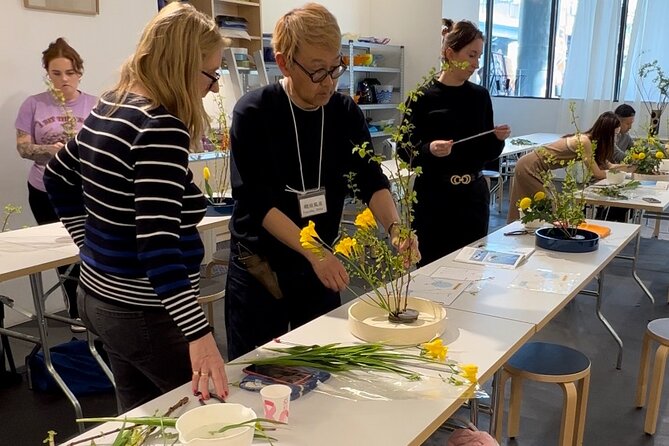
Ikebana is not simply putting flowers in a vase. At Sogetsu WEST, Master Fooraku introduces you to an art shaped by line, balance, and the changing seasons, then helps you make an arrangement of your own. You’ll learn practical forms you can try at home, even without special tools or a traditional Japanese container.
I like two things in particular: the lesson covers both ikebana’s ideas and its hands-on techniques, and the home-friendly approach makes the art feel useful beyond the workshop. The private format also gives you room to ask questions, including about Japanese culture and traditions.
The main consideration is the price: $104.24 per person for about 1 hour 45 minutes is a meaningful spend for a short activity. It makes most sense if you want focused instruction and a cultural lesson, not simply a quick craft session.
What makes this Kyoto ikebana workshop special
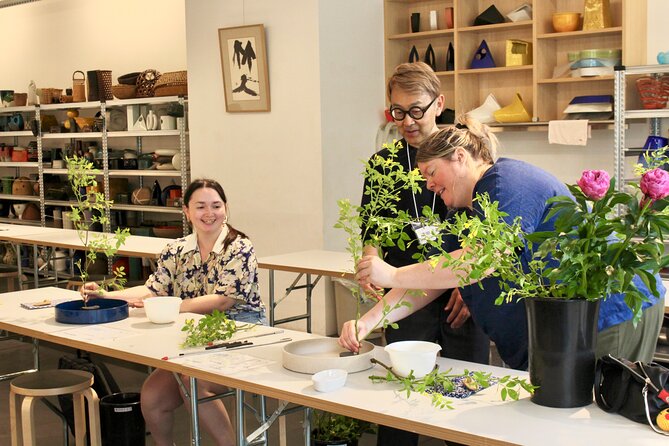
- You arrange flowers yourself: Master Fooraku guides you as you create your own ikebana piece.
- No specialist vase is required: The lesson focuses on forms you can recreate at home without traditional containers or special tools.
- The setting is built for flower styling: Sogetsu WEST has more than 300 types of flower containers.
- You get more than a demonstration: Expect an introduction to ikebana’s history, philosophy, techniques, and flower care.
- It’s a private activity: Only your group takes part, so the session can include questions and conversation.
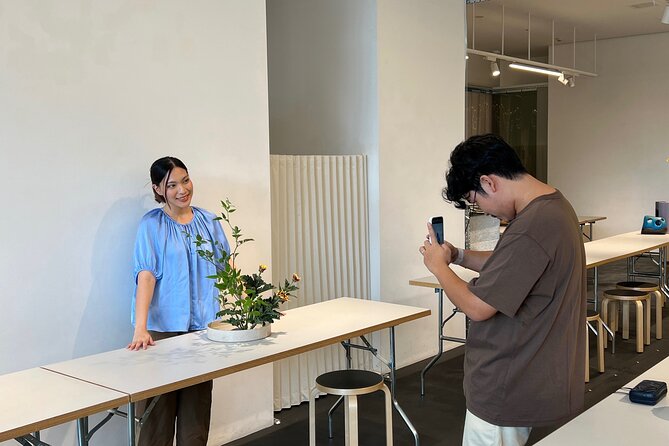
- You leave with a photo: After the arrangement is complete, you’ll take a picture to remember it.
Learning the art at Sogetsu WEST
The workshop takes place at Sogetsu WEST, at 20-4 Sujakudōnokuchichō in Kyoto’s Shimogyo Ward. It’s described as a leading ikebana space in western Japan, with more than 300 kinds of flower containers. That collection gives the venue a strong connection to the art, though you do not need to arrive with any knowledge of flowers or Japanese aesthetics.
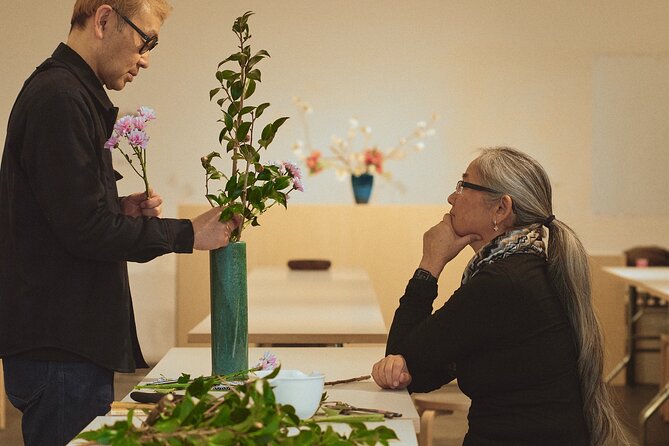
The session is led by Master Fooraku, who has studied ikebana for more than 30 years. That depth of practice matters in a short class: rather than spending the whole time guessing at a form, you have an experienced teacher to explain what you’re doing and help you shape your work. His English is reported to be good, which should make the basic instruction and questions easier for English-speaking participants.
This is a private workshop, not a large group demonstration. Only your party joins the activity, so the pace and conversation are more personal. If you’re curious about Japanese food, traditions, or culture, the teacher welcomes questions. You may also be invited to share something about your own background, making the final chat a two-way exchange rather than a formal lecture.
More craft workshops in Kyoto:
- Kyoto : Chopsticks Making Workshop in Gion with Engraving Option
★ 5.0 · 958 reviews - Kyoto: Calligraphy class at Buddhist temple in city center
★ 5.0 · 167 reviews - Kyoto: Beginner Knife Sharpening & Handle Fitting Workshop
★ 4.9 · 141 reviews
From ikebana’s ideas to your own arrangement
The lesson starts with the basics of ikebana. You’ll hear about its history and philosophy, then learn how its arrangements use technique and form to express a sense of beauty and season. The workshop description highlights the changing seasons and the appeal of everyday Japanese life, so the aim is not just to make something attractive. It’s to notice how flowers and their arrangement can suggest more than a conventional bunch in a vase.
That context is useful even if you’re new to the subject. You don’t have to memorize a long set of rules before you begin. Instead, the instructor introduces principles alongside the practical work, giving you a way to understand why an arrangement takes a particular shape.
A key promise is that you can make different ikebana styles after returning home, without special flowers, tools, or traditional containers. That practical focus is a real strength. Some cultural workshops offer a pleasant hour but leave you with little to try later; here, the stated goal is to teach forms you can adapt with what you have. The exact flowers and materials used in your session aren’t specified, so don’t count on a particular selection.
Making a piece with guidance
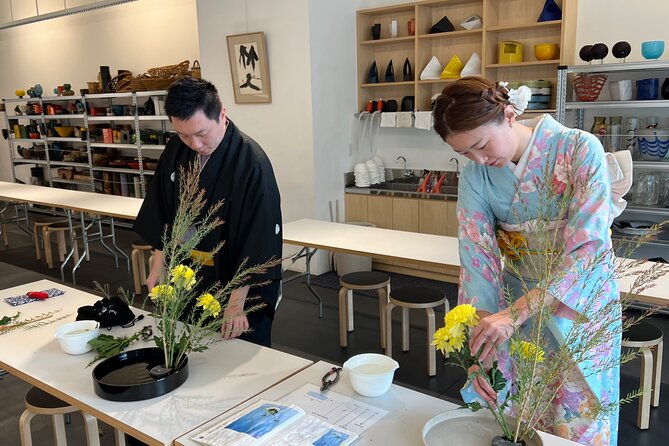
Once you’ve covered the foundations, you’ll create your own arrangement under Master Fooraku’s direction. This is the heart of the visit: you move from hearing about ikebana to making choices yourself. The teacher’s role is to help you work through the techniques and develop a piece that feels like your own, rather than simply watching a finished arrangement appear.
The workshop is suited to beginners. Most people can participate, and no special tools or traditional Japanese vase are required. That takes away two common worries: you don’t need prior training, and you don’t need to buy equipment before you arrive. If you already enjoy floral arts, the session may still appeal as a chance to learn from an instructor with decades of practice and to see how ikebana approaches form differently.
You’ll also learn techniques for keeping flowers fresh. That’s a small but useful part of the class, especially if you want to continue arranging at home. It connects the artistic lesson to the ordinary care that helps a flower arrangement last.
The session is about 1 hour 45 minutes, which gives the experience room to combine instruction, hands-on work, a photograph, and conversation. Still, it is a compact introduction rather than a long course. If you’re hoping to master ikebana in one sitting, this isn’t that. Think of it as a guided first step, with enough technique to make the art less mysterious and a finished piece to mark the occasion.
The photo and the conversation afterward
When your arrangement is finished, you’ll take a photo to remember it. That matters because the flowers themselves may not be something you can bring home as a lasting keepsake. The photo records the result, while the techniques and ideas are what you can carry forward.
The workshop then winds down with time to relax and chat. This informal ending is a good fit for a private lesson. You can ask about Japanese customs or other topics that interest you, and the instructor is open to hearing about your own country and background. There’s no fixed list of conversation topics, so treat this as a chance to follow your curiosity rather than expecting a second structured lesson.
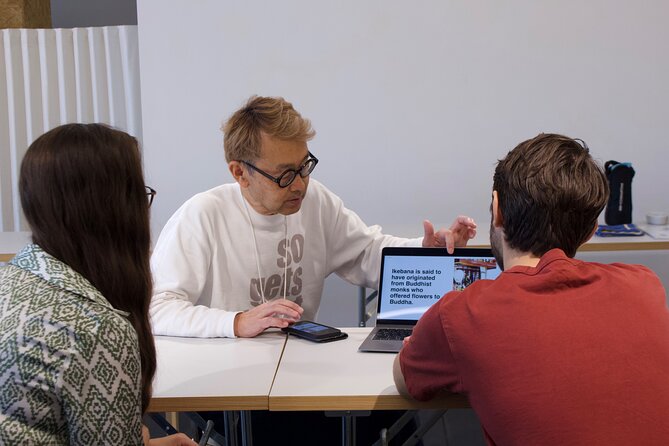
Slides from the session are available by email upon request. If you’d like a record of what you learned, ask about them during or after the workshop. Since they are offered upon request, don’t assume they will arrive automatically.
More Kyoto tours in Kyoto:
- PERFECT KYOTO 1-Day Bus Tour
★ 5.0 · 13,518 reviews - Kyoto: Fushimi Inari, Kinkakuji, Bamboo Grove 1 Day Bus Tour
★ 4.8 · 4,316 reviews - Kyoto: Tea Ceremony in a Traditional Tea House in Kiyomizu
★ 4.9 · 3,519 reviews - Kyoto Geisha Walking Tour: Gion District & Hidden Gems
★ 4.7 · 3,273 reviews
Is $104.24 good value?
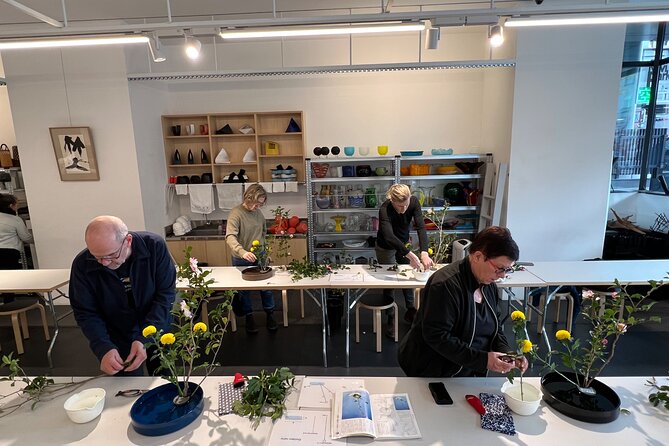
At $104.24 per person, this is not a low-cost add-on. The session lasts about 1 hour 45 minutes, so you’re paying for a short, private lesson with an experienced ikebana teacher, not for a full-day cultural course. The value comes from the personal instruction, the opportunity to make your own arrangement, and the practical emphasis on forms you can try again without specialist equipment.
If you’re curious about flower arranging but unsure whether you’ll enjoy it, the price may feel steep for a first taste. If you value small-group instruction and want a cultural activity that gives you more than a photo opportunity, the cost is easier to justify. The consistently strong rating and 100 percent recommendation are encouraging, though they reflect just 10 reviews, so they are a positive signal rather than a huge sample.
You’ll also want to factor in what matters most to you. This is a hands-on, focused activity, not a broad survey of Kyoto. It will suit you better if you want to spend time learning one art form than if you’re trying to fit several sights into a tightly packed day.
Getting there and planning your visit
The workshop begins and ends at Sogetsu WEST, 20-4 Sujakudōnokuchichō, Shimogyo Ward, Kyoto, 600-8842. It is near public transportation, but the precise route and travel time depend on where you’re staying. Check the address against your day’s plans before setting out.
Bookings are made, on average, 26 days in advance. That is a useful planning guide, not a guarantee that you must book that far ahead. If this private class is a priority, arranging it early is sensible, especially if your dates in Kyoto are fixed.
Confirmation is received at booking, and the ticket is mobile. Free cancellation is available until 24 hours before the activity’s start time. Changes made less than 24 hours before the start are not accepted, and cancellations inside that window are not refunded. The cutoff follows local time in Kyoto.
Who should book this workshop?
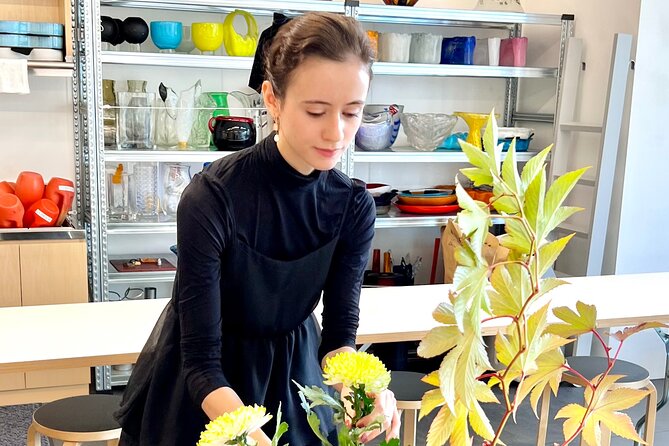
I’d recommend this class if you want a calm, hands-on cultural activity and are willing to pay for individual instruction. It’s a natural choice for anyone interested in floral arts, Japanese aesthetics, or learning a skill they can continue at home. The private format also suits people who prefer to ask questions as they go rather than follow a lesson with a larger group.
It may be less appealing if you want a long course, a low-cost activity, or a broad overview of Japanese culture. The workshop keeps its focus on ikebana, with conversation as an informal extra. You’ll get the most from it if you arrive curious, ready to try arranging flowers, and open to learning the ideas behind the form.
If that sounds like your kind of afternoon, this is a thoughtful way to spend 1 hour 45 minutes in Kyoto. Book it for the teaching and the chance to make something yourself, not just for the finished photo.
FAQ
How long does the ikebana workshop last?
The activity lasts about 1 hour 45 minutes.
Where does the workshop take place?
It takes place at Sogetsu WEST, 20-4 Sujakudōnokuchichō, Shimogyo Ward, Kyoto, 600-8842, Japan.
Where does the activity end?
It ends back at the meeting point, Sogetsu WEST.
Is this a private activity?
Yes. Only your group participates.
Who teaches the workshop?
The instructor is Master Fooraku, who has studied ikebana for more than 30 years.
Do I need prior ikebana experience?
No prior experience is stated as a requirement. The workshop teaches the basics, and most people can participate.
Do I need special tools or a traditional Japanese vase?
No. The workshop teaches styles you can create without special tools or traditional Japanese containers.
Can I ask questions about Japanese culture?
Yes. You’re welcome to ask about Japanese food, culture, and traditions during the session.
Are session slides provided?
Slides are available by email upon request.
What is the cancellation policy?
You can cancel for a full refund up to 24 hours before the start time. Cancellations and changes made less than 24 hours before the activity are not accepted for a refund or change.
Newly added in Kyoto
- Uji: Private immersion into Kyoto’s tea and reglious culture★ 5.0 · 17 reviews
- Whisk Your Own Matcha: A Zen Matcha Experience at Temple★ 3.6 · 7 reviews
- Kyoto tea town for matcha lovers★ 5.0 · 16 reviews
- Treasures of Kyoto: Gion & historical Walking Tour★ 5.0 · 6 reviews
- Kyoto Matcha Green Tea Tour★ 4.5 · 23 reviews
- Uji and Wazuka Matcha Farm Half Day Private Guided Tour★ 5.0 · 21 reviews
- Uji Tea Ceremony and UNESCO Heritage Walking Tour★ 5.0 · 20 reviews
- Utilising upcycled Matcha! Creating matcha incense (Uji, Kyoto)★ 5.0 · 6 reviews
Kyoto Craft Workshops, compared.
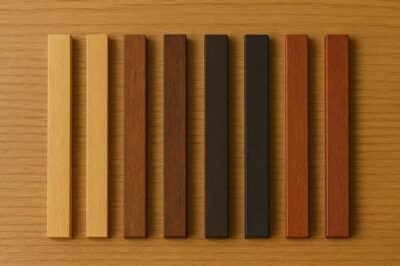
Chopsticks Making Workshop in Gion with Engraving Option
Read our review →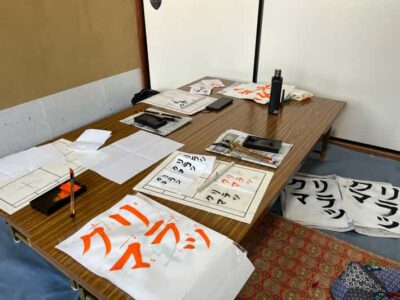
Calligraphy class at Buddhist temple in city center
Read our review →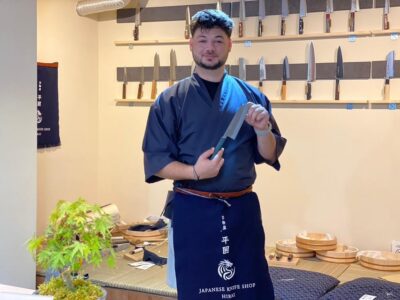
Beginner Knife Sharpening & Handle Fitting Workshop
Read our review →
Japanese Archery Workshop with Experienced Instructor
Read our review →
Kyoto Michelin Ramen Workshop or Painting Ramen Essentials
Read our review →
Browse the lists this tour appears in