
Reviewed · KYOTO TEA CEREMONIES
Nara:Private Tea Ceremony(Max 5 ppl) -Master Matcha Making-
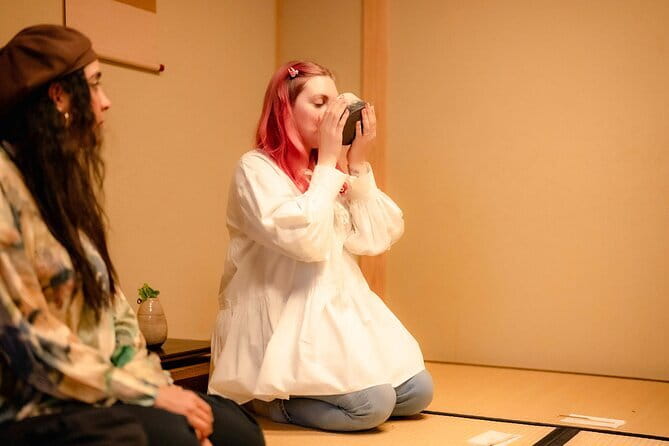
A tea ceremony can turn a small cup of matcha into a welcome pause from the day. In a 120-year-old Japanese house in Nara, tea master Mike introduces the ritual, shows you how to prepare the tea, and gives you a chance to whisk your own.
I like two things in particular: you taste two types of Nara single-origin matcha, so the lesson includes flavor as well as technique, and the private group is capped at five, making it easier to ask questions and take your time.
One consideration: the session lasts about an hour, and transportation is not included. If you want a long, formal ceremony or a full-day cultural program, this is a short introduction rather than either of those.
Key points to know
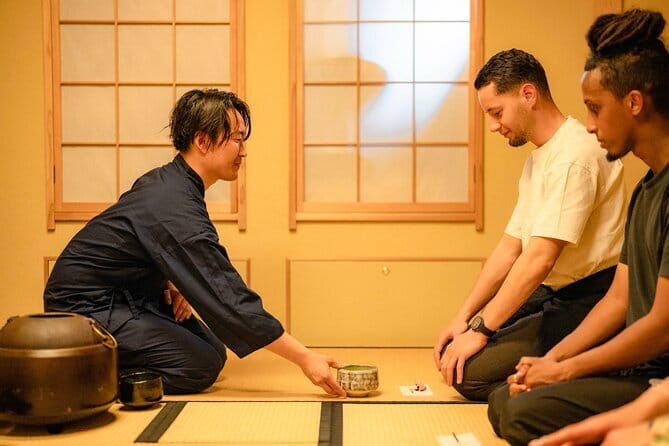
- The setting is a historic Japanese house: The lesson takes place in a 120-year-old home, with a small tea room that helps keep the focus on the ritual.
- You taste two Nara matchas: Comparing two single-origin teas gives you a chance to notice differences in flavor and aroma.
- You make a bowl yourself: After watching the tea master, you use a bamboo whisk, called a chasen, to prepare matcha.
- It is private for up to five people: Your group takes part alone, with a one-on-one lesson and room to ask questions.
- Families with young children are welcome: The format is not reserved for serious tea enthusiasts or adults.
- Plan around an hour at the meeting point: The activity starts and ends at Guesthouse Naramachi; transport there is not included.
A small tea room, not a grand performance
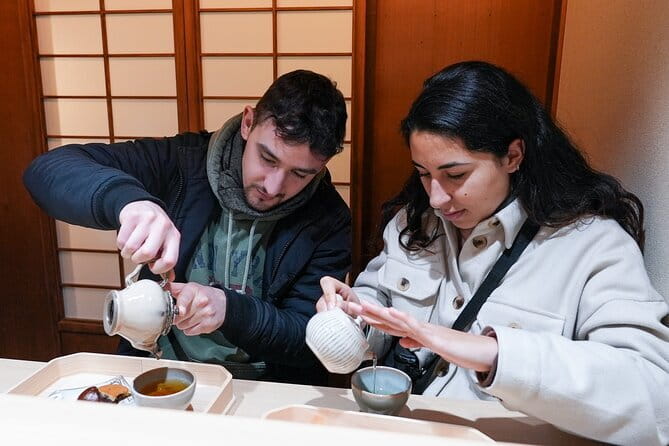
This is an intimate introduction to the Japanese tea ceremony, not a large staged demonstration. You meet at Guesthouse Naramachi, at 30 Kitakyōbatechō, then spend about an hour learning in a historic Japanese house. The setting is part of the experience: a traditional home and tiny tea room create a quieter mood than a busy attraction or a large group class.
That small scale matters. With only your party present and a maximum of five participants, you can pay attention to the tea master’s movements without competing for a view. You can also ask questions as they occur to you, rather than saving them for a rushed closing minute.
The host, Mike, is described as earnest and generous in sharing what he knows. That is a useful quality in a lesson built around close observation and conversation. You are not simply watching someone prepare tea; you are learning what is happening and then trying it yourself.
The small room may not suit everyone equally. If you feel uncomfortable in quiet, close settings, or prefer a tour packed with frequent stops and activity, this may feel restrained. But if you like an experience that asks you to slow down, the quiet is not empty time. It is part of the point.
More Nara trips in Nara:
- World Heritage Kyoto & Nara Uji Authentic Matcha Experience
★ 5.0 · 1,573 reviews - Kyoto/Osaka: Nara, Fushimi Inari Taisha, Arashiyama Bus Tour
★ 4.7 · 1,275 reviews - Nara Half Day Trip Walking Tour (Private Option Available)
★ 5.0 · 937 reviews
What happens during the hour
The session begins with an introduction to tea ceremony and matcha in the historic house. You learn about the ceremony’s history, basic etiquette, and the utensils used to prepare and serve tea. The exact order of each step is not specified, so think of this as a guided introduction rather than a fixed performance with a detailed script.
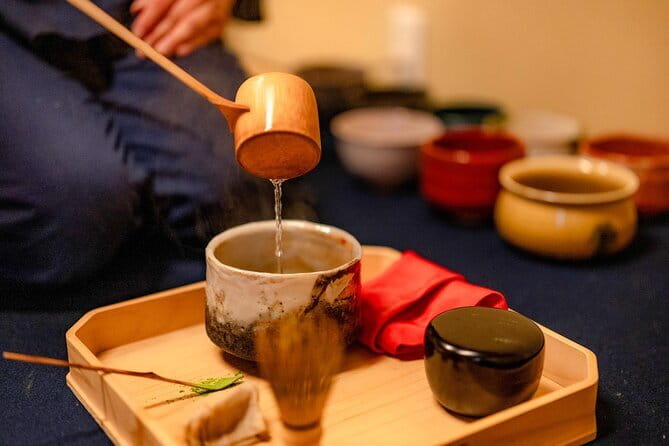
Next, the tea master demonstrates how to prepare matcha. Watching first gives you a chance to notice the careful handling of the utensils and the rhythm of the preparation before you try it yourself. The lesson includes a full set of tea ceremony utensils, so the tools are provided.
You then taste two types of Nara single-origin matcha. Comparing them is a practical way to pay attention to aroma and flavor, rather than treating matcha as one uniform drink. You might discover a favorite, or simply come away with a better sense of what you notice in the cup.
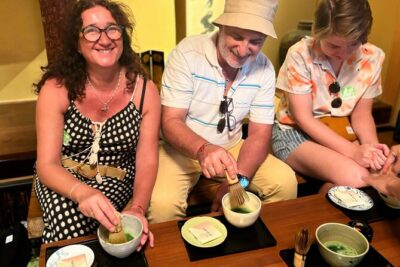
The hands-on part is a highlight: you use a bamboo whisk, or chasen, to make your own matcha. The point is not just to learn a sequence of movements. You get to feel the difference between hearing about the preparation and doing it yourself, with the tea master there to guide you.
A Japanese sweet is included, alongside the listed tea and coffee options and brunch. The available details do not say exactly what brunch consists of, so it is best not to count on a particular menu or treat this as a substantial meal. The advertised duration is about an hour, which makes it a compact cultural stop rather than a meal-centered outing.
Why the quiet is part of the lesson
The ceremony’s stillness is not an extra flourish added for atmosphere. It gives you time to focus on small actions: handling the utensils, watching the tea being prepared, and making your own cup. The experience is described as a chance to connect in serene silence, so expect a calmer pace than you would get from a typical sightseeing tour.
That pause can be valuable on a day full of temples, shops, and movement. You do not need prior knowledge of tea ceremony to take part; the basics are part of the lesson. And you do not need to arrive already certain that you love matcha. Tasting two local types and preparing one yourself gives you a grounded way to decide what you think.
The quiet does not mean you must sit through a lecture without speaking. You are encouraged to ask as many questions as you like. That combination of silence during the ritual and conversation during the lesson helps make the experience welcoming to beginners.
The private format and who it suits
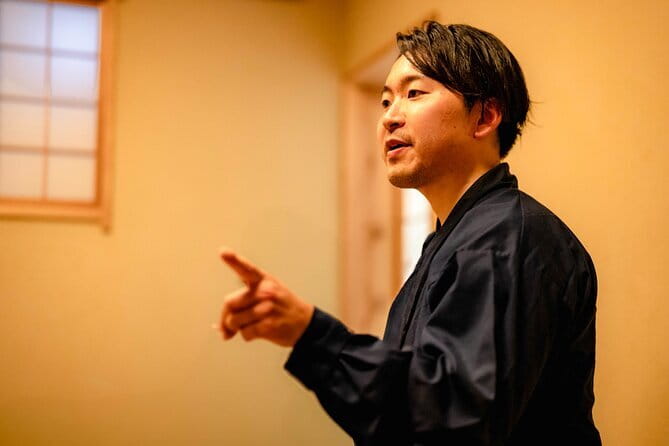
A private activity for up to five people is a good fit for a couple, a family, or a small group of friends who want to learn together. You will not be sharing the hour with unrelated participants. For a small group, that can make the session feel personal without requiring you to book a full-length private tour.
Families with young children are welcome, which is helpful if you are planning a cultural activity with different ages in your party. The information does not give a minimum age or describe a separate children’s program, so children will take part in the same general experience. If you are booking with very young children, consider whether an hour in a quiet tea room suits their temperament.
The format also works for a teenager or an adult who is curious but not already devoted to tea. The host’s generous approach and the chance to make your own drink give the session more to do than simply observe. Still, if your group expects a highly active class, keep in mind that the pace is calm and the emphasis is on ceremony, attention, and taste.
More tea ceremonies in Nara:
- Kyoto: Nara & Traditional Matcha Experience Bus Tour
★ 4.9 · 185 reviews - Nara:Authentic Tea Ceremony(Max 5 ppl) -Master Matcha Making
★ 5.0 · 119 reviews - Nara:5 Type of Tea Tasting & Mindful Tea Ceremony
★ 5.0 · 28 reviews - Nara:Tea Tasting&Private Tea Ceremony -Master Matcha Making-
★ 5.0 · 19 reviews
Is $50.85 a fair price?
At $50.85 per person, this is not the cheapest way to drink matcha in Nara. You are paying for more than a cup: the price covers a private lesson, a tea master’s demonstration, two types of local matcha, use of the utensils, and the chance to make your own tea in a historic home. The small group limit is also part of the value, especially if you want individual attention.
The value depends on what you want from the hour. If your aim is simply to sample matcha, you could likely find a simpler and less expensive option elsewhere. If you want context for the drink, a chance to ask questions, and a hands-on introduction to the ceremony, the price is easier to justify.
The listing also includes a Japanese sweet, coffee and/or tea, and brunch, though it does not explain the brunch menu. I would treat these as additions rather than the main reason to book. The strongest value is in the private instruction and the setting, not in expecting a full meal.
Getting there and planning your visit
The meeting point is Guesthouse Naramachi, 30 Kitakyōbatechō, Nara, 630-8322, Japan. The activity ends back at the same point, and the location is near public transportation. Transportation costs are not included, so make your own way to the meeting point and allow time to arrive without rushing.
The session lasts about one hour. That makes it practical to fit into a day of sightseeing, but it is still worth leaving a little space around it so you are not arriving distracted or racing off mid-afternoon. The activity is best approached as a quiet pause, not something to squeeze between two tightly timed stops.
Bookings are typically made around 18 days ahead on average. That does not mean you must book exactly that far in advance, but it is sensible to plan ahead if you have a particular date in mind. Confirmation is provided at booking, and free cancellation is available up to 24 hours before the start time. Cancellations made less than 24 hours ahead are not refunded, and changes inside that window are not accepted.
Should you book this Nara tea lesson?
Book it if you want a calm, personal introduction to matcha and tea ceremony, especially if you value hands-on learning over a long list of sights. The strongest reasons are the small private group, the historic house, the two Nara matchas, and the chance to learn from Mike rather than only watch a demonstration.
Skip it if you want a lengthy formal ceremony, a full meal with a clearly defined menu, or an activity that fills most of the day. For everyone else, this is a compact way to learn how matcha is prepared and to take a genuinely quiet break in Nara. At about an hour, it offers a focused cultural experience without taking over your itinerary.
FAQ

How long is the tea ceremony experience?
It lasts about one hour.
Where does the activity start and end?
It starts at Guesthouse Naramachi, 30 Kitakyōbatechō, Nara, and ends back at the same meeting point.
How many people can join the private session?
The activity is private for your group, with a maximum of five people.
Do I get to make matcha myself?
Yes. After the tea master’s demonstration, you use a bamboo whisk to prepare your own matcha.
How many kinds of matcha will I taste?
You taste two types of Nara single-origin matcha.
Are children welcome?
Yes. Families with young children are welcome.
Is transportation included?
No. Transportation is not included, though the meeting point is near public transportation.
Newly added in Nara
- Nara Private Day Trip – Enjoy Your First-Time Visit to Nara!★ 5.0 · 10 reviews
- Relax in Nara: Deer Park, Todai-ji Temple and Merchants’ Town★ 5.0 · 6 reviews
- Nara Todaiji Lazy Bird Walking Tour★ 5.0 · 11 reviews
- Nara: Authentic Onigiri Cooking Class & Meal in a Local Home★ 5.0 · 4 reviews
- Private Nara Tour and Sake Tasting (Departing from Kyoto/Nara)★ 5.0 · 40 reviews
- Nara World Heritage PRIVATE TOUR★ 4.5 · 15 reviews
- Private Journey in Nara’s Historical Wonder★ 5.0 · 3 reviews
- Nara Sake Tasting Tour at Local Brewerie(tasting fee included)★ 5.0 · 12 reviews
Kyoto Tea Ceremonies, compared.

Tea Ceremony in a Traditional Tea House in Kiyomizu
Read our review →

World Heritage Kyoto & Nara Uji Authentic Matcha Experience
Read our review →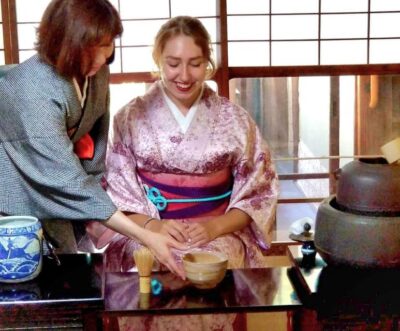

Arashiyama Bamboo Forest, Monkeys, Matcha & Temple Tour
Read our review →
Tea Museum Tickets and Matcha Grinding Experience
Read our review →Browse the lists this tour appears in