
Reviewed · KYOTO TEA CEREMONIES
Kyoto: Tea Museum Tickets and Matcha Grinding Experience
Uji’s tea story makes more sense when you turn it into a drink yourself. At Chazuna, you learn how tea is made, grind leaves with a mill, and prepare matcha under an instructor’s guidance. The museum ticket is included, so the hour pairs a practical lesson with a look at the place and history behind the tea.
I like two things in particular: you make matcha by hand, rather than just watching a demonstration, and the museum uses interactive displays that make the local story easier to follow. The instructors have been praised for being warm, helpful, and funny, with names including Hideko and Keiko in particular sessions.
The main catch is the clock. The class lasts about an hour, and you need to arrive 15 minutes early; arriving more than 30 minutes after the start means you cannot join or receive a refund. Allow extra time if you are walking from JR Uji Station.
The experience at a glance
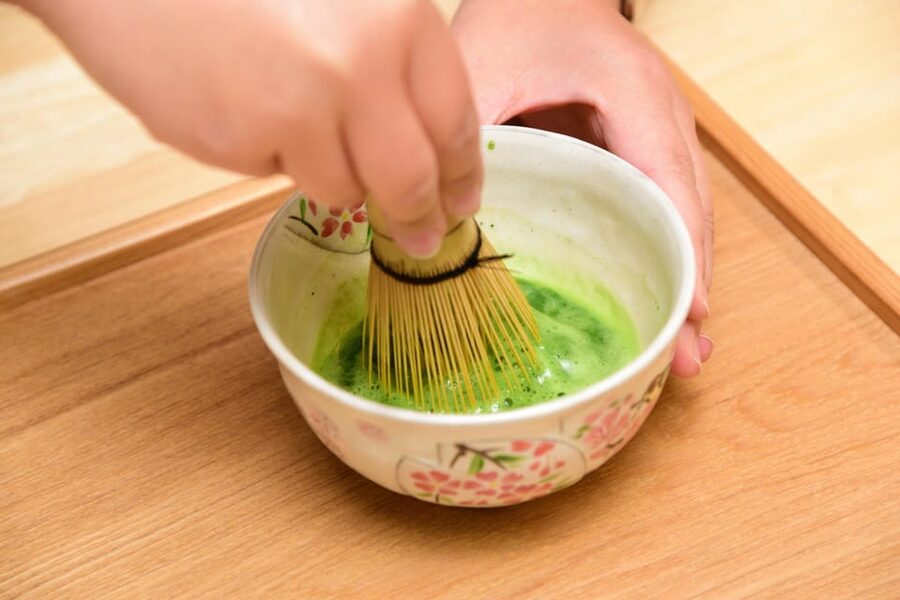
- Grind your own matcha: Use a tea mill to turn leaves into powder, then learn how to prepare the drink.
- Explore Uji’s tea story: The Chazuna Museum ticket is included, with touchable exhibits and digital displays.
- Meet helpful instructors: Classes are offered in Japanese and English. Instructors have included Hideko, Keiko, Yano-san, and Sukimoto.
- See a striking local landmark in the exhibits: A large 10-yen coin featuring Byodoin Phoenix Hall welcomes you to the History Room.
- Plan for a firm start time: Arrive 15 minutes before your booking and check in at Chazuna’s first-floor reception.
- Add a summer treat at one specific time: The 2:45 p.m. summer session includes a matcha-and-ice-cream option.
A hands-on introduction to Uji tea
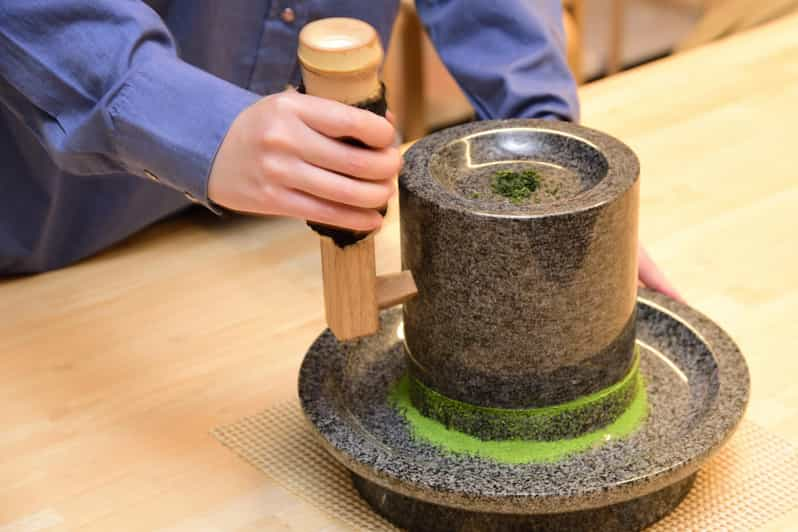
Chazuna sits in Uji, a town closely associated with tea. This activity gives you a compact introduction to that local identity, then lets you work with tea yourself. The contrast matters: seeing a finished bowl of matcha is one thing; grinding the leaves and preparing the drink gives you a clearer sense of the steps behind it.
The experience lasts one hour and includes both the workshop and admission to the Chazuna Museum. It is a focused activity, not a full tea ceremony or a long food tour. You get a guided lesson, a chance to try the process, and time to explore the museum’s exhibits.
I would think of it as a practical cultural stop rather than a deep technical course. You will learn about tea and matcha, but the short format means the value lies in seeing and doing a few key things, not mastering every detail of production.
More tea ceremonies in Uji:
- World Heritage Kyoto & Nara Uji Authentic Matcha Experience
★ 5.0 · 1,573 reviews - Uji: Green Tea Tour with Byodoin and Koshoji Temple Visits
★ 4.8 · 72 reviews - Uji: UNESCO Heritage & Tea Ceremony Walking Tour
★ 4.6 · 54 reviews
Start with tea, town, and a 10-yen coin
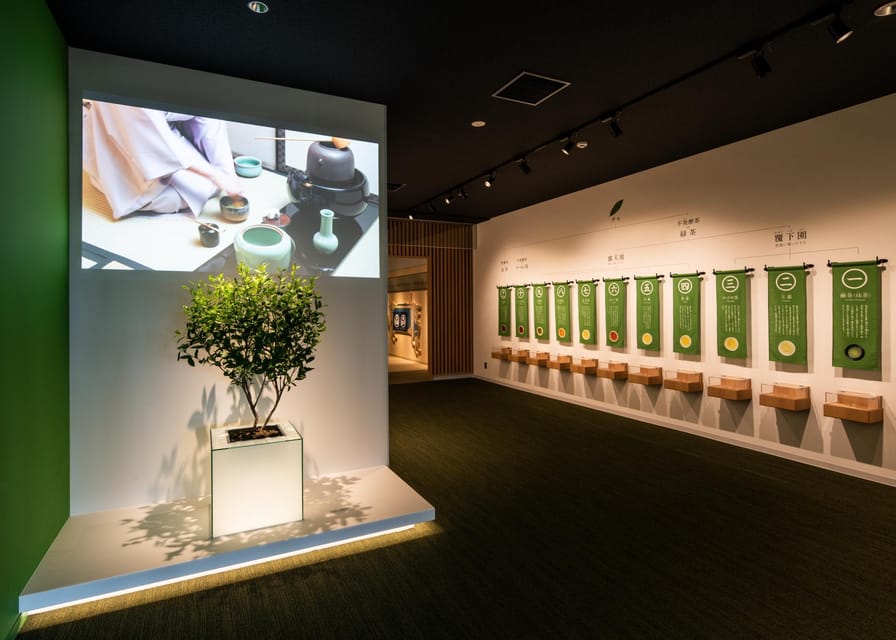
Chazuna’s exhibits give context to the workshop. In the History Room, a large 10-yen coin showing Byodoin Phoenix Hall helps connect Uji’s history with a familiar local image. Digital displays bring the town’s past into view, including a large 4K screen with modernized drawings of the townscape, based on Meisho-zue.
The museum also uses touchable exhibits, which help make the subject accessible if you are new to Japanese tea. Rather than relying only on labels, the displays invite you to look closely and interact. That approach is useful for families and for anyone who prefers a hands-on explanation to a row of display cases.
Expect a compact museum visit, not a full afternoon indoors. Its role is to give the workshop context and make Uji’s tea traditions easier to understand. One useful way to pace your visit is to explore the museum before or after the class, depending on how the session is arranged and how much time you have.
From tea leaves to a bowl of matcha
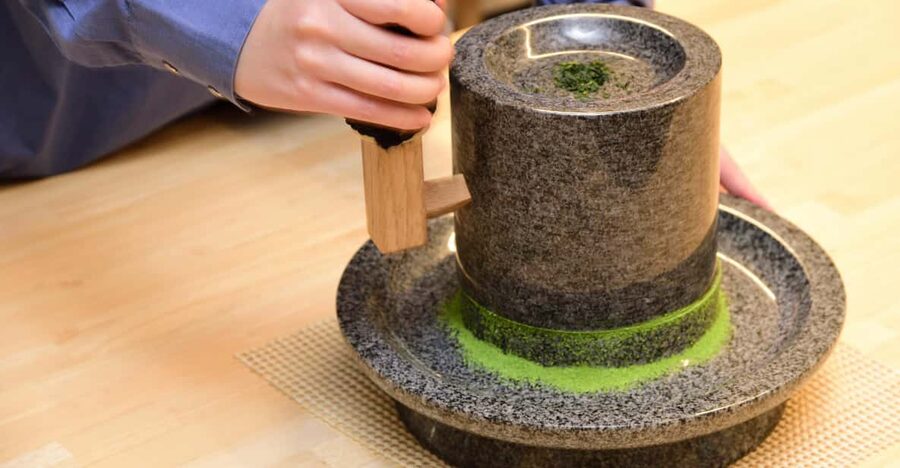
The central activity is grinding tea leaves into matcha with a tea mill. You work through the process with an instructor, then learn how to brew the matcha you have made. That makes the lesson more engaging than a simple tasting: your hands are involved, and you can follow the transformation from leaf to powder to drink.
The instructors explain the technique and guide you through the preparation. English is offered alongside Japanese, and the class is designed to be accessible even if you have never made matcha. Instructors have included Hideko, Keiko, Yano-san, and Sukimoto, though you should not expect a particular person to lead your session.
The teaching style seems to be one of the activity’s strongest features. Instructors are described as patient and welcoming, with some adding humor to their explanations. A practical note for English speakers: teaching comfort can vary by person. One participant found that an instructor sometimes relied on a prepared script, so you may get a more polished explanation from some instructors than others.
You should also come with realistic expectations about the amount of matcha you make. The activity is a guided tasting and lesson, not a take-home production workshop. If you hope to bring home the powder you grind, check with the provider before booking; the session is centered on preparing and enjoying the tea during the class.
Why grinding makes the lesson stick
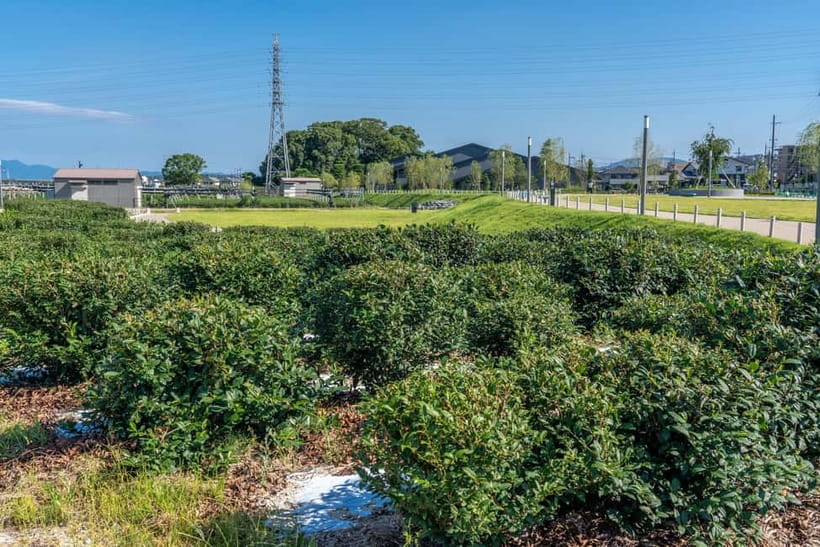
Matcha is easy to encounter in cafés and sweets around Japan, but this workshop shows the work behind the familiar green powder. Grinding gives you a slower, more tactile view of the process. It also gives the instructor a natural way to explain tea varieties, production, and preparation while you have the ingredients in front of you.
This is where the hour earns its keep. The experience is not only about drinking a cup of tea. You learn a basic technique, see how the powder is made, and prepare your own drink. People who already enjoy matcha will likely appreciate the chance to make it from scratch; newcomers can use the class as a friendly introduction.
The tea mill is also a good reason to book this instead of simply visiting the museum. The museum helps explain the subject, but the workshop turns that information into an activity. If you are choosing between a passive exhibit and a hands-on cultural experience, this gives you both in one booking.
More museum visits in Uji:
- Kyoto: Uji Matcha Tea Museum Entry Ticket
★ 5.0 · 5 reviews - Skip the lines Basic Ticket at SAMURAI NINJA MUSEUM KYOTO
★ 4.5 · 632 reviews - Kyoto : Geiko Maiko Dance of Kyoto & Visits of Gion Museum
★ 4.6 · 415 reviews - Kyoto Sword Experience – includes Museum Ticket/Ninja Experience
★ 4.5 · 149 reviews
A summer-only matcha and ice-cream option

At 2:45 p.m. in summer, the experience includes a seasonal option: pour your freshly ground matcha over ice cream, then enjoy it as a cool treat. The description also mentions drinking matcha over ice cream, so expect a playful variation on the usual preparation rather than a standard tea-only session.
This is a specific seasonal feature, not a year-round part of every booking. If it is the main reason you want to attend, confirm that your date and time fall within the summer offering. At other times, the core experience remains grinding and preparing matcha.
What the one-hour format means for your day

An hour is convenient if you are fitting Uji into a larger day, but it does require punctuality. Arrive 15 minutes before your booking and check in at the first-floor reception. If you arrive more than 30 minutes after the class begins, you will be refused entry and cannot take part; the participation fee is not refunded.
The workshop’s fixed start also affects how you plan your route. Chazuna is a four-minute walk from Uji Station on the Keihan Uji Line. From the South Exit of Uji Station on the JR Nara Line, allow about 12 minutes on foot. That difference is worth noting if you are choosing which train to take.
The session can be part of a longer visit to Uji. You can pair it with the town’s tea-related food and shops, and the Byodoin Temple is also within walking distance of the Chazuna area. The class itself is short, so leave separate time for anything else you want to see rather than assuming the museum and workshop will fill the day.
Is $23 good value?
At about $23 per person, the price includes the Chazuna Museum ticket, the matcha-making experience, and an instructor. That is a solid package if you want both background and a hands-on activity. The museum is not an extra charge, and the workshop provides something you cannot get from looking at exhibits alone.
The value is strongest for matcha fans, curious first-timers, and families who want an activity with a clear start and finish. You are paying for the guided process and the chance to prepare tea yourself, not for a long class or a large meal. If you only want to taste matcha, you may find the lesson more involved than necessary; if you want to understand how it is made, the added context is worthwhile.
The booking offers free cancellation up to 24 hours in advance and a reserve-now, pay-later option. The activity is wheelchair accessible. For date or time changes, make the change through the website rather than calling, as schedule-change inquiries are not handled by phone.
Who should book this?
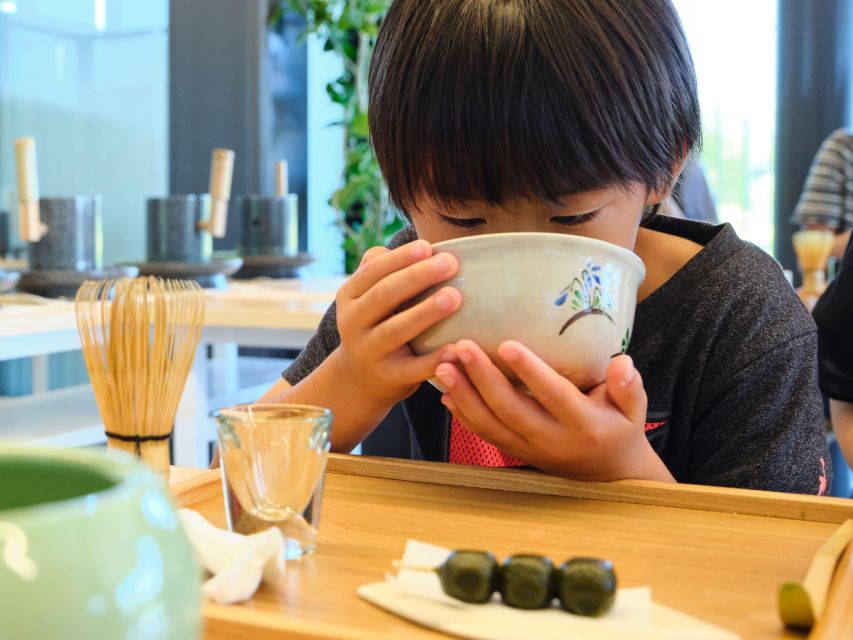
I would book this if you enjoy matcha, want a hands-on cultural activity, or plan to spend time in Uji and would like more context for the town’s tea identity. It also suits a family or a small group looking for a relaxed activity that does not require prior knowledge. The instructors’ friendly approach helps make the process approachable.
It is less suited to anyone hoping for an extended tea ceremony, a long technical course, or a substantial amount of tea to take home. The one-hour format is a sampler with substance: you learn, grind, prepare, and taste, then have the museum for extra context.
If your Kyoto plans include Uji, this is a worthwhile way to make the visit more than a quick stop for tea-flavored sweets. Book it for the combination of hands-on matcha making and local history, and arrive early enough to start on time.
FAQ
How long does the activity last?
The experience lasts one hour.
What is included in the price?
The booking includes a Chazuna Museum ticket, the matcha-making experience, and an instructor.
Where do I meet the instructor?
Go to the first-floor reception area at Chazuna, in the Historical Park of Tea and Uji Town.
How do I get to Chazuna by train?
It is a four-minute walk from Uji Station on the Keihan Uji Line, or a 12-minute walk from the South Exit of Uji Station on the JR Nara Line.
What languages are available?
The activity is offered in Japanese and English.
Do I make matcha during the class?
Yes. You grind tea leaves into powder with a tea mill, then learn how to prepare matcha with the instructor.
Is the museum included?
Yes. Admission to the Chazuna Museum is included in the booking.
Is the experience wheelchair accessible?
Yes, the activity is listed as wheelchair accessible.
How early should I arrive?
Arrive 15 minutes before your reservation and check in at reception. If you arrive more than 30 minutes after the start, you cannot join, and the participation fee is not refunded.
Can I cancel or change my reservation?
You can cancel up to 24 hours in advance for a full refund. For date or time changes, use the website’s change procedure; schedule changes cannot be arranged by phone.
Newly added in Uji
- Uji: Private immersion into Kyoto’s tea and reglious culture★ 5.0 · 17 reviews
- Uji and Wazuka Matcha Farm Half Day Private Guided Tour★ 5.0 · 21 reviews
- Uji Tea Ceremony and UNESCO Heritage Walking Tour★ 5.0 · 20 reviews
- Utilising upcycled Matcha! Creating matcha incense (Uji, Kyoto)★ 5.0 · 6 reviews
- Slow Cycling Tour at Uji’s Matcha Green Tea Fields and Heritage★ 5.0 · 25 reviews
- Uji Walking Tour – Byodo-in temple and Tea Ceremony from Kyoto★ 3.5 · 3 reviews
- Matcha Grinding Experience and Walking Tour in Uji Kyoto★ 5.0 · 26 reviews
- Kyoto & Uji: Full Day Sightseeing Tour from Osaka or Kyoto★ 5.0 · 25 reviews
Kyoto Tea Ceremonies, compared.

Tea Ceremony in a Traditional Tea House in Kiyomizu
Read our review →

World Heritage Kyoto & Nara Uji Authentic Matcha Experience
Read our review →

Arashiyama Bamboo Forest, Monkeys, Matcha & Temple Tour
Read our review →
Browse the lists this tour appears in