
Reviewed · KYOTO TEA CEREMONIES
Nara:5 Type of Tea Tasting & Mindful Tea Ceremony
A tea tasting in a 120-year-old wooden house, followed by your own turn whisking matcha, gives this Nara experience its appeal. You are not just watching a ceremony: you taste five teas, learn how their flavors differ, and practice the motions yourself.
I like the small, private setting, which makes it easier to ask questions, and the chance to sample teas before choosing one for a pot-brewed serving. I also like that the ceremony includes hands-on matcha practice and traditional sweets, not just a demonstration.
One thing to plan for: the formal portion may involve sitting still on the floor, and one participant described spending close to two hours at the house, despite the stated 90-minute duration. If floor seating is difficult or your schedule is tight, check the arrangements before booking.
At a glance
- Five Nara teas: Taste a flight selected by the tea master, from fragrant matcha to mellow roasted varieties.
- A pot-brewed favorite: After tasting, choose one tea for a careful serving prepared by the host.
- A traditional wooden home: The tea room is in a renovated Japanese house, described as roughly 120 to 125 years old, with a small garden view.
- Your turn with the whisk: Learn the tools and etiquette, then make matcha with personal instruction.
- Seasonal wagashi: Two kinds of Japanese sweets accompany the tea.
- Private, English-language format: The experience lasts 90 minutes, costs $61 per person, and is for ages 12 and up.
A quiet tea room in an old Nara home
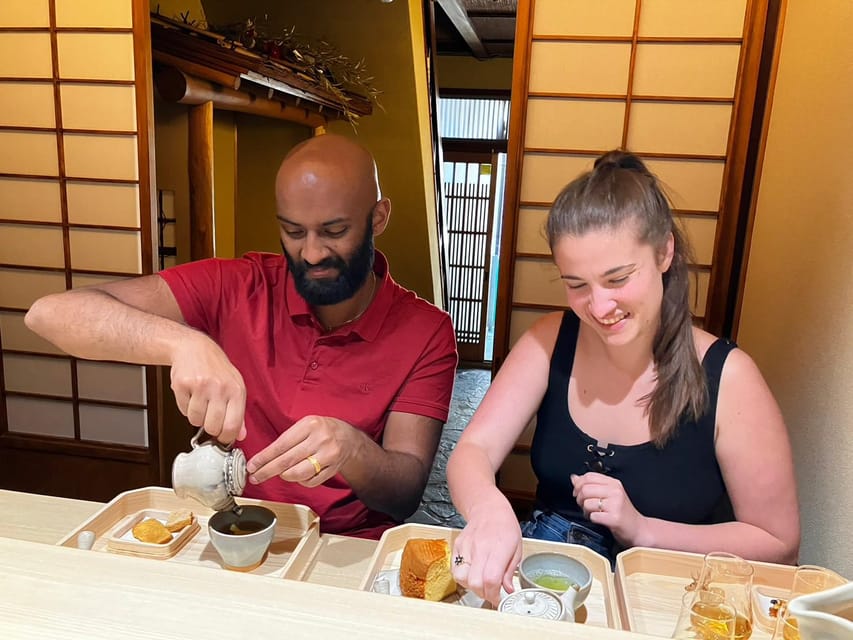
The setting is part of the experience. Rather than gathering in a large public venue, you meet in a renovated traditional Japanese house. Its wooden rooms and small garden create a calm place to slow down, which suits the tea tasting far better than a noisy café would.
The host Mike is named by several participants, and the experience provider is Kurabi. The gathering is offered in English, so you can ask about the tea, the ceremony, and the objects in use without having to follow a silent demonstration. The private-group format also gives the session a more personal feel than a class with a large audience.
A few practical details are worth keeping in mind. The advertised duration is 90 minutes, while one participant described the visit as lasting about two hours. I would avoid booking it right before another timed activity. The home has been described as welcoming a small group of four, though group arrangements can vary.
The listing identifies the experience as wheelchair accessible, but a participant also noted sitting on the floor for an extended period. If you need a chair or have specific mobility needs, ask about the seating setup in advance. The activity is not suitable for children under 12 or pregnant women.
More Nara trips in Nara:
- World Heritage Kyoto & Nara Uji Authentic Matcha Experience
★ 5.0 · 1,573 reviews - Kyoto/Osaka: Nara, Fushimi Inari Taisha, Arashiyama Bus Tour
★ 4.7 · 1,275 reviews - Nara Half Day Trip Walking Tour (Private Option Available)
★ 5.0 · 937 reviews
Five teas, tasted side by side
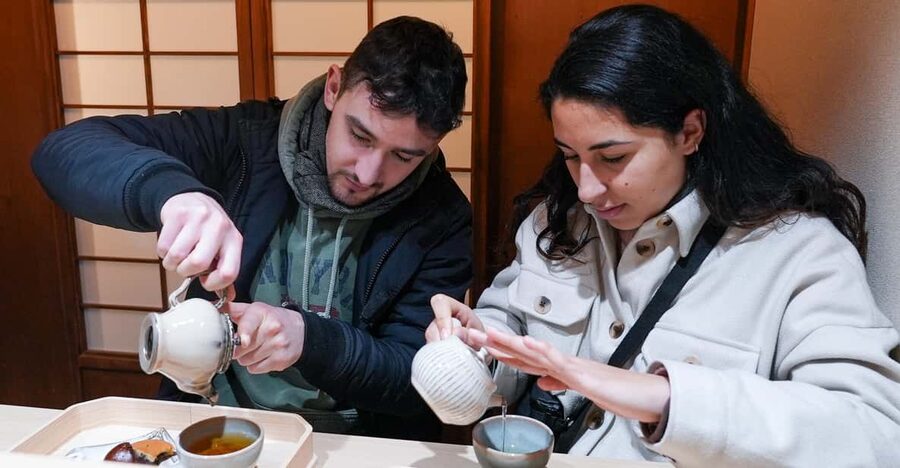
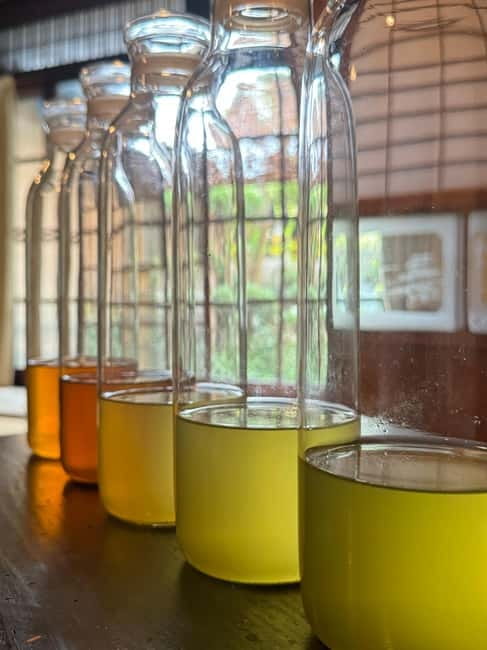
The session begins with a flight of five Japanese teas sourced in Nara prefecture. Tasting several kinds in one sitting is useful because small differences become easier to notice when the cups are close together. You can compare aroma, flavor, and the feel of each tea rather than relying on a name or a package description.
The selection may include matcha with a pronounced aroma and milder roasted teas. Each has its own character, and the point is not to memorize a list of varieties. It is to work out what you enjoy. If you are usually a coffee drinker, as one participant said they were, the guided tasting still offers an accessible way in: smell first, sip slowly, and ask the host what gives each tea its particular taste.
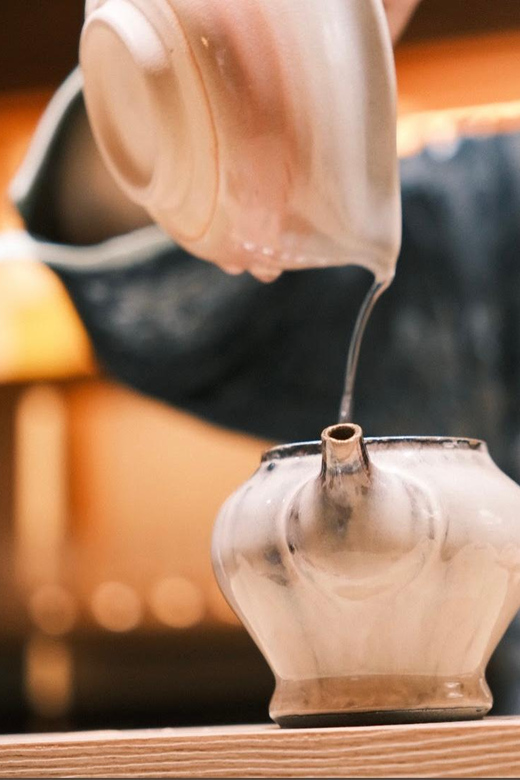
After the tasting, you choose a favorite for a pot-brewed serving. This is a nice shift from sampling to attention. The tea master prepares it with care, drawing out the flavor through each pour. You get time to enjoy a full serving instead of moving straight from one tasting cup to the next.
The five-tea flight is one of the strongest reasons to book. If you are already interested in Japanese tea, it lets you compare styles in a focused setting. If you are new to it, the host’s explanations help make the differences less mysterious. Either way, the tasting gives you a better basis for choosing tea later in your trip.
Matcha practice, not just a performance
The ceremony follows the tasting, with the tea master explaining its history, etiquette, and tools. The goal is not to turn you into an expert in one sitting. Instead, you get a closer look at why the movements and objects matter, then a chance to try the process yourself.
You whisk your own matcha under the host’s guidance and receive personalized feedback. That hands-on moment is valuable: you can feel the motion, notice the tea’s aroma as you work, and learn how the preparation differs from simply stirring powder into water. The pace is deliberate, so it helps to arrive ready to focus rather than rush through the steps.
The ceremony’s calm is part of its substance, not a decorative extra. You are asked to pay attention to the sequence and the cup in front of you. For many people, this is a welcome pause during a busy Japan itinerary. But if you prefer fast-moving activities or find quiet instruction difficult, the reflective pace may feel slow.
The setting makes the teaching feel personal. One participant described being guided through the symbols and rituals in a small group, while another said a family member was invited to serve tea as a trainee. Those details suggest a format where the host can adapt the experience to the people in the room, rather than simply presenting a fixed show.
Wagashi with your tea
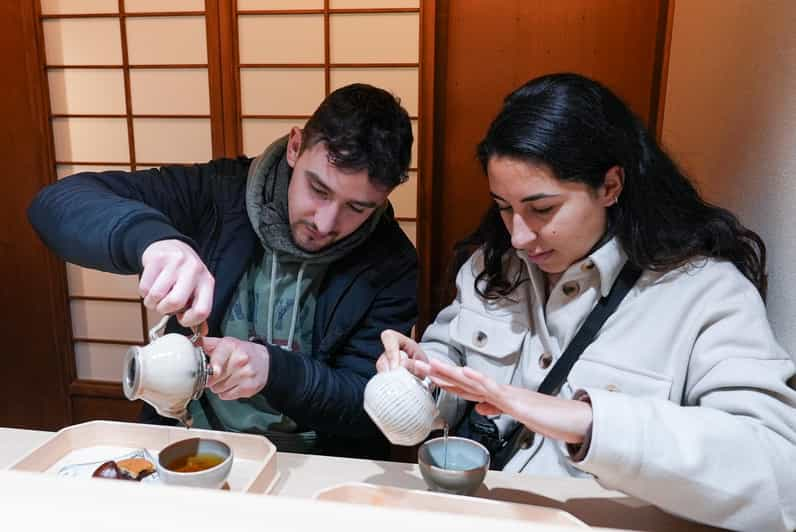
Two kinds of Japanese sweets are included, with seasonal wagashi served alongside the tea. These traditional sweets are meant to complement the drink, giving you another flavor and texture to consider as you taste. Their seasonal character also ties the session to the time of year, though the specific sweets will depend on when you visit.
This pairing is more than a snack break. It helps you understand the balance between tea and something sweet, and it gives the ceremony a natural moment to pause. The sweets are included in the $61 price, so you do not need to arrange a separate food stop during the session.
A participant also described enjoying snacks with tea and sake, but sake is not listed among the included items. Treat the two teas and two kinds of sweets as the confirmed inclusions, and ask the host if you want to know whether anything else is available during your visit.
More tea ceremonies in Nara:
- Kyoto: Nara & Traditional Matcha Experience Bus Tour
★ 4.9 · 185 reviews - Nara:Authentic Tea Ceremony(Max 5 ppl) -Master Matcha Making
★ 5.0 · 119 reviews - Nara:Tea Tasting&Private Tea Ceremony -Master Matcha Making-
★ 5.0 · 19 reviews - Nara:Private Tea Ceremony(Max 5 ppl) -Master Matcha Making-
★ 5.0 · 3 reviews
What $61 buys you
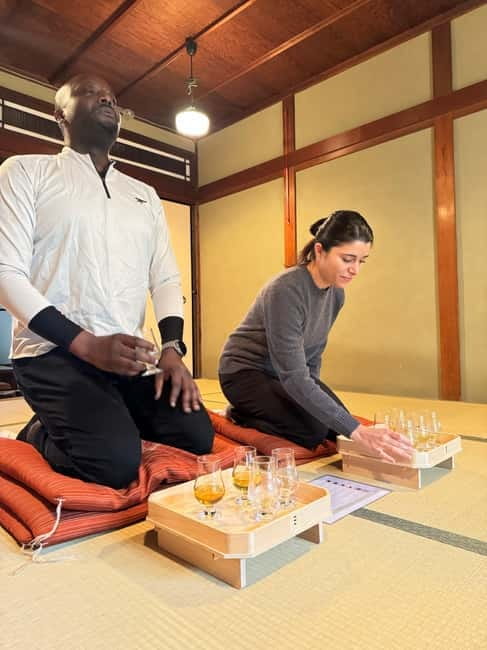
At $61 per person, this is a focused cultural activity rather than a quick cup of tea. The fee covers five teas, a pot-brewed serving of your preferred variety, personal instruction in matcha preparation, the ceremony, and two kinds of sweets. You also spend the session in a traditional home with an English-speaking tea master.
I see the price as reasonable if you value direct instruction and a small-group setting. The cost would be harder to justify if you only want to taste tea, since you can do that more casually elsewhere. Here, much of the value comes from the combined format: tasting first, learning the ceremony’s context, and then practicing the whisking yourself.
It is also a good fit if you are looking for something that feels distinct from temple visits and sightseeing. Nara offers plenty to see, but this activity gives you a quieter way to spend part of the day and learn about a different part of Japanese culture. It is not a substitute for exploring the area; it is a deliberate pause within that exploration.
The experience has a strong record of five-star ratings, with 28 ratings reported. Praise has centered on the calm atmosphere, friendly hosting, clear explanations, tea quality, and the chance to learn by doing. That is encouraging, while the practical caveat remains: the format is slow and may require floor seating.
Who will enjoy this most
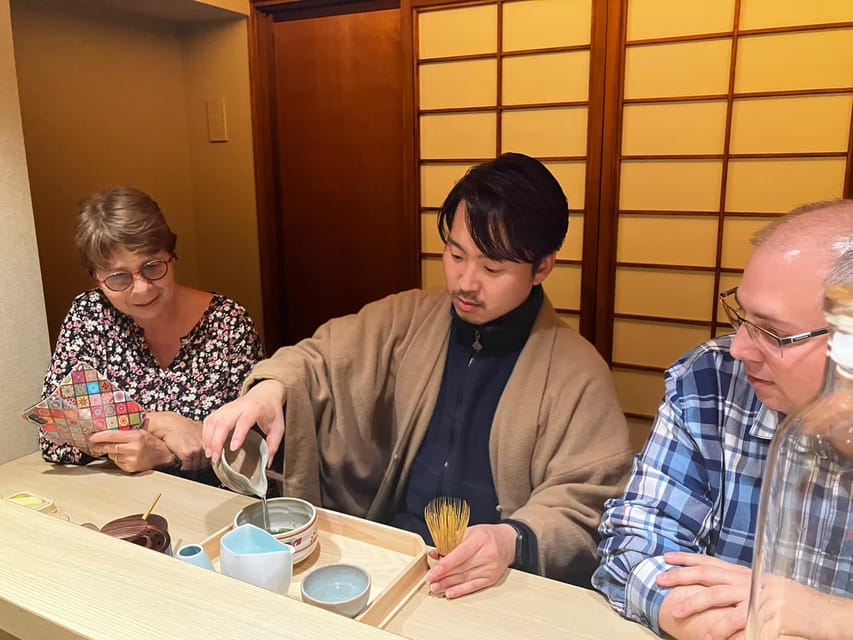
I would recommend this to tea lovers, curious first-timers, and anyone who wants a personal cultural activity rather than a large group demonstration. It also suits families with children aged 12 or older, especially if everyone is comfortable sitting quietly and taking part. One family described the experience as a highlight of their trip, and another noted that a child was able to take a special role in serving tea.
You do not need to arrive with a deep knowledge of Japanese tea. The tasting and explanations are designed to introduce the varieties and ceremony in an approachable way. A coffee drinker can still enjoy the comparison, and the host’s English instruction makes it easier to ask questions as they arise.
I would hesitate to recommend it if you are under time pressure, want an energetic activity, or cannot sit on the floor comfortably without a confirmed alternative. The scheduled 90 minutes is not a guarantee that you will be out the door exactly on the hour and a half. Give yourself breathing room before your next commitment.
Should you book the Nara tea ceremony?
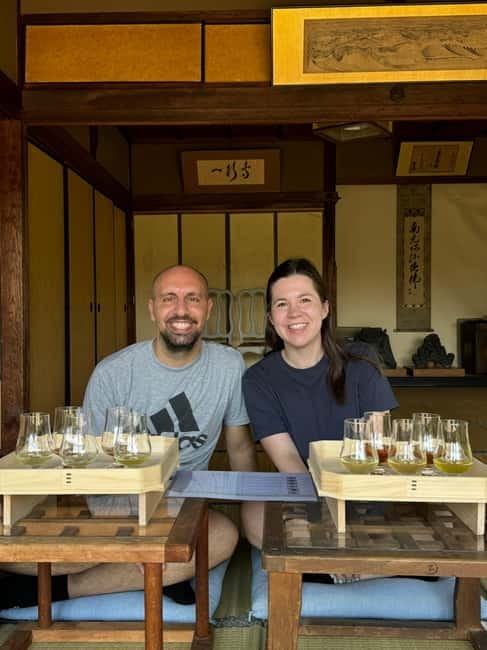
Book it if you want to do more than observe: the five-tea tasting, personal matcha practice, and seasonal sweets make this a well-rounded introduction to Japanese tea. The old wooden house and small garden view add a setting that feels suited to the unhurried style of the ceremony.
Skip it if you want a quick stop, are uncomfortable with quiet instruction, or need certainty about chair seating without first checking with the host. For a traveler who can slow down and take part, though, this is a thoughtful use of 90 minutes, with a little extra time allowed for good measure.
FAQ
How long is the tea experience?
The stated duration is 90 minutes. Allow extra time if your schedule is tight, as one participant described spending close to two hours at the house.
How much does it cost?
The listed price is $61 per person.
What is included in the price?
The experience includes five kinds of Japanese tea and two kinds of Japanese sweets. It also includes tea tasting, a pot-brewed serving of your chosen tea, instruction about the ceremony, and hands-on matcha practice.
Is the experience conducted in English?
Yes. English is the listed language for the instructor.
Is this a private activity?
Yes. It is listed as a private-group experience.
Is the tea ceremony suitable for children?
Children under 12 are not suitable for this activity. Children aged 12 and older are not excluded by the stated age restriction.
Is the experience wheelchair accessible?
It is listed as wheelchair accessible. Since a participant described sitting on the floor during the ceremony, contact the provider to confirm the seating arrangement that will work for you.
Are pregnant women able to take part?
Pregnant women are listed as not suitable for this activity.
Can I cancel for a refund?
Yes. You can cancel up to 24 hours in advance for a full refund.
Newly added in Nara
- Nara Private Day Trip – Enjoy Your First-Time Visit to Nara!★ 5.0 · 10 reviews
- Relax in Nara: Deer Park, Todai-ji Temple and Merchants’ Town★ 5.0 · 6 reviews
- Nara Todaiji Lazy Bird Walking Tour★ 5.0 · 11 reviews
- Nara: Authentic Onigiri Cooking Class & Meal in a Local Home★ 5.0 · 4 reviews
- Private Nara Tour and Sake Tasting (Departing from Kyoto/Nara)★ 5.0 · 40 reviews
- Nara World Heritage PRIVATE TOUR★ 4.5 · 15 reviews
- Private Journey in Nara’s Historical Wonder★ 5.0 · 3 reviews
- Nara Private Tour: Flexible Pickup from Kyoto, Osaka, or Nara★ 5.0 · 17 reviews
Kyoto Tea Ceremonies, compared.

Tea Ceremony in a Traditional Tea House in Kiyomizu
Read our review →


World Heritage Kyoto & Nara Uji Authentic Matcha Experience
Read our review →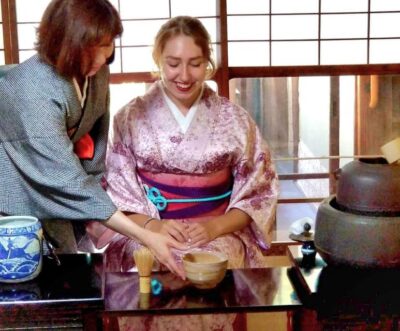


Arashiyama Bamboo Forest, Monkeys, Matcha & Temple Tour
Read our review →
Tea Museum Tickets and Matcha Grinding Experience
Read our review →Browse the lists this tour appears in