
Reviewed · KYOTO TEA CEREMONIES
Kyoto: Make Zen Garden and Taste Matcha in Pottery Shop
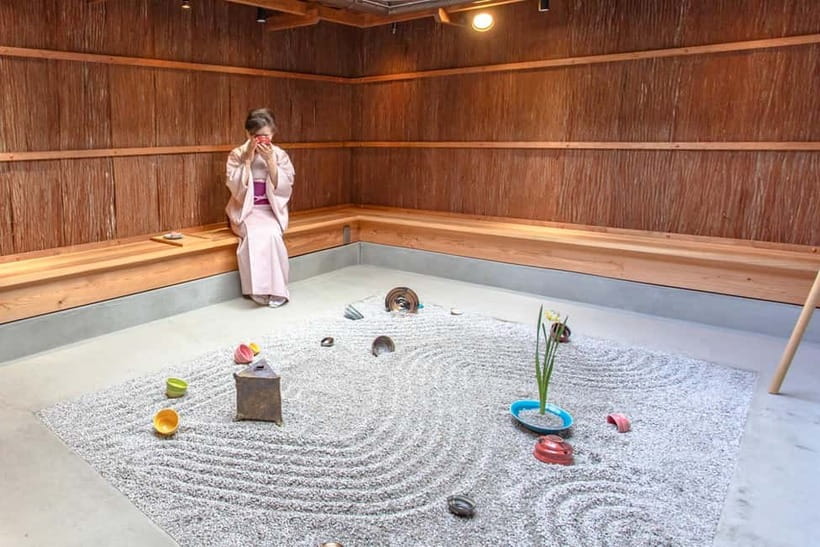
A Zen garden is usually something you look at quietly from behind a boundary. At Ninshu, you get to rake and decorate one yourself in the garden behind a Kyoto pottery shop, then sit in front of your creation for matcha and sweets. It’s a compact, hands-on taste of Kyoto culture, not a long temple visit.
I like two things in particular: you get to make a garden rather than simply admire one, and the tea comes from Ippodo, a well-known Kyoto tea company. The renovated 100-year-old machiya also gives the activity a distinctly local setting, while the pottery shop makes it easy to browse for a useful souvenir.
One consideration: this is a short, informal activity, not a guided lesson in Zen garden design. You’ll have room to make your own choices, but if you want detailed instruction or a long meditation session, this may feel too brief.
What makes this small Kyoto experience worthwhile
- You rake and decorate your own karesansui garden, a style of dry garden often associated with temples and careful contemplation.
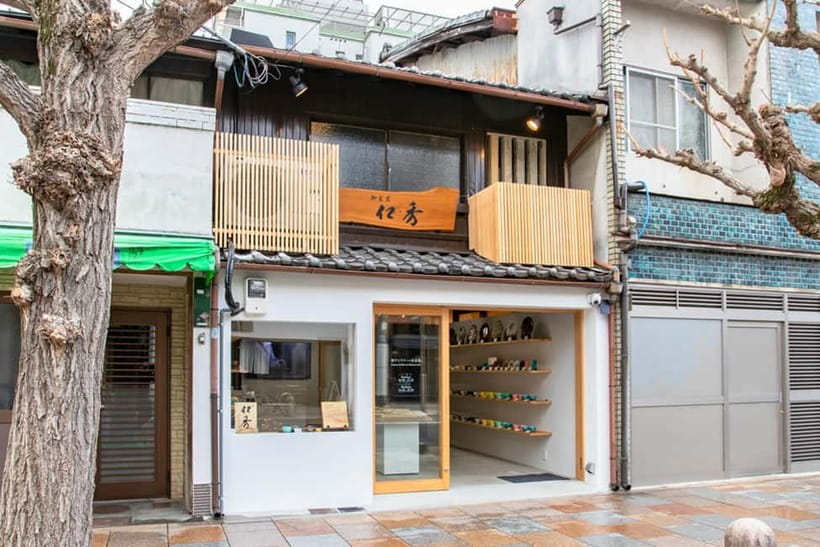
- The setting is a renovated 100-year-old Kyoto townhouse, with the garden tucked behind Ninshu’s pottery shop.
- Matcha and seasonal Japanese sweets are included, enjoyed in front of the garden you have just made.
- The group is limited to eight people, a sensible size for a small shop and a hands-on activity.
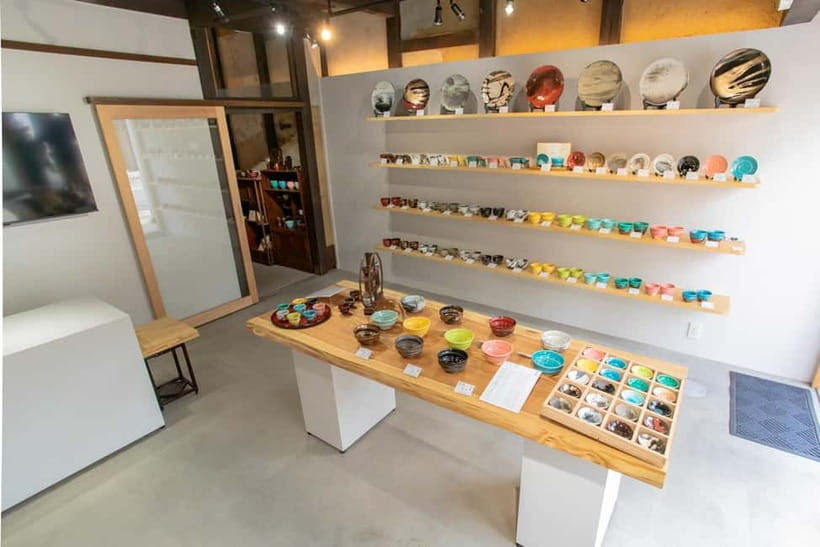
- The pottery is practical as well as attractive, with handmade pieces described as dishwasher-safe and microwave-safe.
- The activity takes about 30 minutes and costs $12 per person, so it can fit into a busy Kyoto day without taking over the schedule.
Making a garden instead of just looking at one
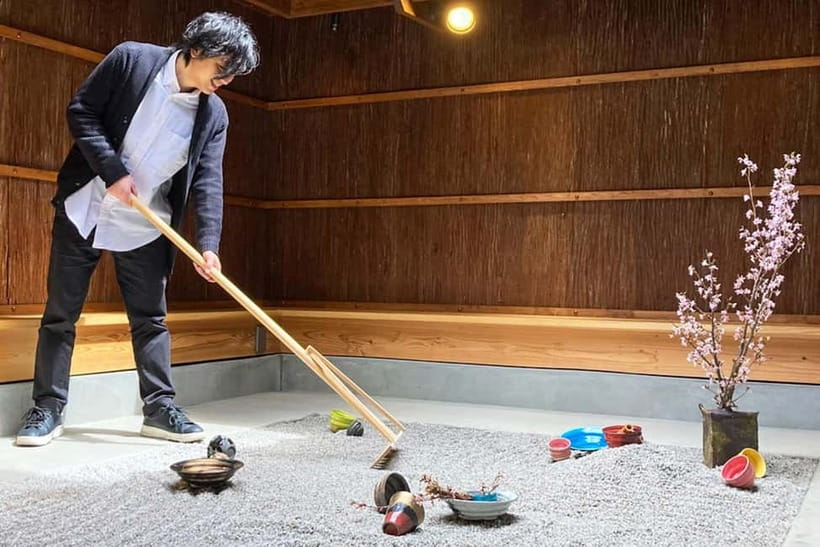
The heart of the activity is making a small version of a karesansui, or dry landscape garden. In a traditional garden, sand or gravel may be raked into patterns that suggest water, movement, or calm. At Ninshu, you can take part in that process yourself rather than treating the garden as something reserved for quiet observation.
The experience takes place in the garden at the back of the shop. You rake the sand and decorate your own small arrangement. The format is free-form, so you should expect to make choices rather than follow a detailed set of steps. That can be a pleasure if you enjoy creative activities and don’t mind working things out as you go.
It also means the garden-making part can be quick. If everyone in your group makes decisions fast, you may finish sooner than you expect. I’d treat the activity as a chance to slow down and try a few patterns, not a timed craft task to complete as quickly as possible. There’s no need to aim for a perfect design. The point is to take part in a tradition you would normally view from a distance.
The garden is a useful introduction to the idea of karesansui, but this is not a formal course in its history or technique. No detailed instruction is promised, so don’t book expecting a lecture or a master gardener to explain every rake mark. For a quick, personal encounter with a Kyoto garden tradition, that light touch can be enough.
More tea ceremonies in Kyoto:
- Kyoto: Tea Ceremony in a Traditional Tea House in Kiyomizu
★ 4.9 · 3,519 reviews - Kyoto: Tea Ceremony Ju-An at Jotokuji Temple
★ 4.9 · 3,207 reviews - Kyoto: 45-Minute Tea Ceremony Lesson Experience
★ 4.3 · 2,378 reviews
Matcha and sweets beside your finished design
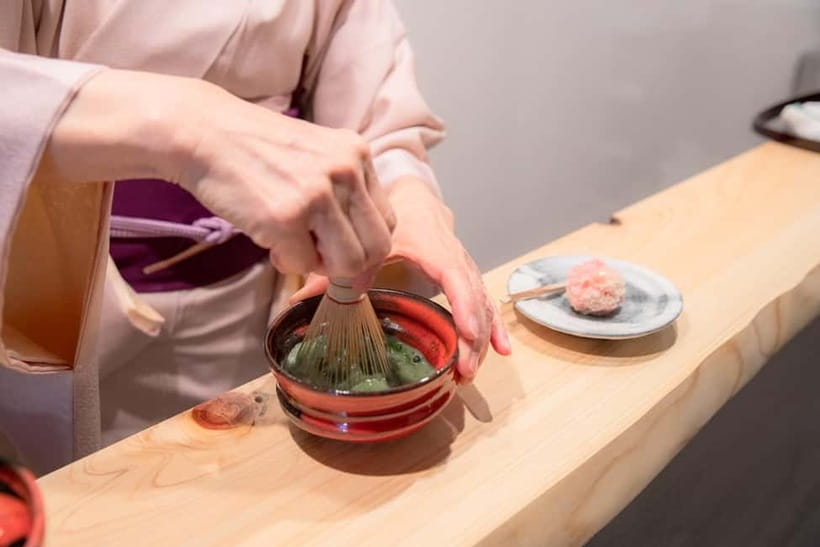
After you make the garden, you can enjoy matcha and Japanese sweets in front of it. The tea is from Ippodo, a famous Kyoto tea company, and the sweets are seasonal wagashi from Senbon Tamajushuken. One account of the activity describes a mochi cookie and a choice of hot or iced matcha, so the exact sweet or serving option may vary.
This tea break is more than a snack added to a craft activity. It gives you a moment to sit with the garden you have just shaped, and it creates a natural pause between making and browsing. The contrast is appealing: you do something with your hands, then take time to enjoy tea and a sweet in the same small setting.
You can also take photographs while enjoying your matcha and sweets in front of the garden you made. If you like having a record of a trip that is more personal than a standard sightseeing photo, this is a natural moment for one. Just keep your expectations grounded: the setting is a small shop garden, not a sweeping temple view.
The quality of the tea matters here. Ippodo is a familiar name in Kyoto, and the included matcha gives you a chance to taste tea from a local company without needing to plan a separate tea stop. The sweet is part of the experience too, pairing a traditional Japanese treat with the garden setting.
A machiya with a pottery shop attached
Ninshu’s location adds another layer to the visit. The shop is in a renovated Kyoto townhouse said to be about 100 years old. A machiya is a traditional urban townhouse, and here the shop, garden, tea, and pottery sit together in a compact space. You get several small pieces of Kyoto culture in one stop, rather than traveling between separate venues.
The pottery shop is also a practical part of the experience. Handmade pottery is available to buy as a souvenir, and the pieces are described as safe for both dishwashers and microwaves. That everyday usefulness is worth noting if you’re choosing a keepsake you intend to use at home, rather than something that will sit on a shelf.
You’ll want to think about how much you can comfortably carry before buying. The activity information does not specify shipping or packing services, so don’t count on either. But if you like functional souvenirs, a handmade cup or dish can be a more useful reminder of Kyoto than a trinket chosen in a hurry.
The shop is in an area with antique and traditional homeware shops nearby. That makes the activity a good starting point for a short neighborhood wander. You can pair the garden and tea with a look at local stores, though the 30-minute experience itself does not include a walking tour or guided shopping.
A half-hour stop with a small-group feel
At 30 minutes, this is one of the easier cultural activities to fit into a packed Kyoto itinerary. It is long enough to make a garden and enjoy tea, but short enough to combine with nearby sightseeing. If your schedule is full of temples, this gives you a different kind of activity without requiring a major block of time.
The group is capped at eight participants. That limit suits the setting: a small shop and garden are unlikely to benefit from a large crowd, and a modest group should make it easier to take turns and settle into the activity. Still, the experience is not described as private, so you may share the space with other people.
The price is $12 per person, and it includes the experience, matcha, Japanese sweets, and reservation and system fees. For that amount, you’re paying for a hands-on activity, a drink and sweet, and time in a traditional townhouse setting. It is not a bargain if you measure value only by how long you are occupied, but the short duration is part of its appeal: the activity offers a focused cultural pause at a modest cost.
I’d compare it with the kind of tea break you might otherwise take in Kyoto. Here, the tea is paired with the garden you made and a chance to browse pottery, so there is more to it than ordering a drink and moving on. The main question is whether you value that personal, creative element. If you do, the price is reasonable. If you want a long, highly structured workshop, you may prefer to spend your money elsewhere.
More zen and meditation sessions in Kyoto:
- Kyoto Zen Meditation & Garden Tour at a Zen Temple with Lunch
★ 5.0 · 441 reviews - Kyoto: Zen Experience in a Hidden Temple
★ 5.0 · 437 reviews - Kyoto: Tea Ceremony Meditation – Make Matcha with Tea Master
★ 4.8 · 406 reviews - Kyoto: Zen Meditation at a Private Temple with a Monk
★ 5.0 · 202 reviews
Finding Ninshu near the Imperial Palace
Ninshu is on Teramachi Dori, about 100 meters south of Kyoto Imperial Palace Park and a two-minute walk north of Ippodo. Those landmarks make the shop fairly easy to place once you are in the area. The location also puts you close to antiques and traditional homeware shops, giving you options for a short browse before or after the activity.
The nearest stated transit options are Kyoto Shiyakusho-mae Station on the Subway Tozai Line, an 11-minute walk away, and Jingu-marutamachi Station on the Keihan Main Line, a nine-minute walk away. The coordinates are 35.0157879, 135.7673992 if you prefer to use a map app. Since the shop is close to the Imperial Palace Park and Ippodo, those are useful points to keep in mind when planning your route.
The address information gives walking times, not a transport service or pickup. Plan to arrive on foot from one of the nearby stations or landmarks. The activity itself lasts 30 minutes, so allow extra time if you want to explore the surrounding shops or stop at the palace park.
Who will enjoy this most
This activity suits you if you like small-scale cultural experiences, hands-on crafts, tea, or pottery. It is especially appealing if you have already seen temple gardens and want to try making a simple one yourself. The short format also works well when you want a relaxed break between larger sightseeing stops.
Creative, decisive groups may find the free-form setup especially enjoyable. If you prefer clear instructions at every stage, you may need to bring your own curiosity and ask questions as you go. The activity is not presented as a formal class, and the garden-making can be over quickly if you rush.
It can also be a good fit for people who want a souvenir with a practical use. You can browse handmade pottery after the activity, and the pieces are described as dishwasher- and microwave-safe. That said, buying pottery is optional. The included experience is the garden, matcha, and sweets, not a purchase requirement.
If you’re looking for an in-depth meditation practice, an elaborate garden workshop, or a long tea ceremony, this is probably not the right choice. The appeal is its compact mix of garden-making, tea, sweets, and pottery in one Kyoto townhouse. Think of it as a small cultural stop with a personal touch, rather than a major tour.
Should you book this Kyoto garden and matcha experience?
Book it if you want to do something rather than simply see another landmark, and you’re happy with a relaxed, informal activity. Making your own garden, then enjoying Ippodo matcha and seasonal sweets beside it, is a tidy way to spend half an hour in Kyoto. The pottery shop and nearby antique and homeware stores add a useful reason to linger in the neighborhood.
Skip it if you need detailed instruction, a longer workshop, or a highly structured tea experience. The free-form garden activity may be brief, especially for a decisive group. But at $12, with tea and sweets included, it offers a low-cost chance to make a small Kyoto memory with your own hands.
FAQ
How long does the experience take?
The activity lasts 30 minutes.
How much does it cost?
The listed price is $12 per person.
What is included in the price?
The fee includes the experience, matcha and Japanese sweets, plus reservation and system fees.
What do you do during the activity?
You rake and decorate your own small Zen garden at Ninshu’s pottery shop, then enjoy matcha and Japanese sweets in front of it.
Is the garden activity guided step by step?
The activity is described as free-form, with limited instruction. Expect room to make your own choices rather than a detailed formal lesson.
What tea and sweets are served?
The matcha is from Ippodo, and the sweets are seasonal wagashi from Senbon Tamajushuken. A mochi cookie and hot or iced matcha are also described as options.
How many people can join?
The group is limited to eight participants.
Where is the shop located?
It is on Teramachi Dori, about 100 meters south of Kyoto Imperial Palace Park and a two-minute walk north of Ippodo.
Which train or subway stations are nearby?
Kyoto Shiyakusho-mae Station on the Subway Tozai Line is an 11-minute walk away. Jingu-marutamachi Station on the Keihan Main Line is a nine-minute walk away.
Can I buy pottery at the shop?
Yes. Handmade pottery is available to buy, and the pieces are described as dishwasher-safe and microwave-safe.
More craft workshops in Kyoto
- Kyoto : Chopsticks Making Workshop in Gion with Engraving Option
★ 5.0 · 958 reviews - Kyoto: Calligraphy class at Buddhist temple in city center
★ 5.0 · 167 reviews - Kyoto: Beginner Knife Sharpening & Handle Fitting Workshop
★ 4.9 · 141 reviews - Kyoto: Small-Group Authentic Sushi Making Workshop
★ 5.0 · 137 reviews
Newly added in Kyoto
- Uji: Private immersion into Kyoto’s tea and reglious culture★ 5.0 · 17 reviews
- Whisk Your Own Matcha: A Zen Matcha Experience at Temple★ 3.6 · 7 reviews
- Kyoto tea town for matcha lovers★ 5.0 · 16 reviews
- Treasures of Kyoto: Gion & historical Walking Tour★ 5.0 · 6 reviews
- Uji and Wazuka Matcha Farm Half Day Private Guided Tour★ 5.0 · 21 reviews
- Kyoto Matcha Green Tea Tour★ 4.5 · 23 reviews
- Uji Tea Ceremony and UNESCO Heritage Walking Tour★ 5.0 · 20 reviews
- Utilising upcycled Matcha! Creating matcha incense (Uji, Kyoto)★ 5.0 · 6 reviews
Kyoto Tea Ceremonies, compared.

Tea Ceremony in a Traditional Tea House in Kiyomizu
Read our review →


World Heritage Kyoto & Nara Uji Authentic Matcha Experience
Read our review →


Arashiyama Bamboo Forest, Monkeys, Matcha & Temple Tour
Read our review →
Tea Museum Tickets and Matcha Grinding Experience
Read our review →Browse the lists this tour appears in